

GIVE THE PERFECT GIFT
Erin Mills Town Centre Gift Cards are the perfect choice for your gift giving needs.Purchase gift cards at kiosks near the food court or centre court, at Guest Services, or click below to purchase online.PURCHASE HEREHome
Developing Grounded Theory: The Second Generation Revisited
Indigo
Loading Inventory...
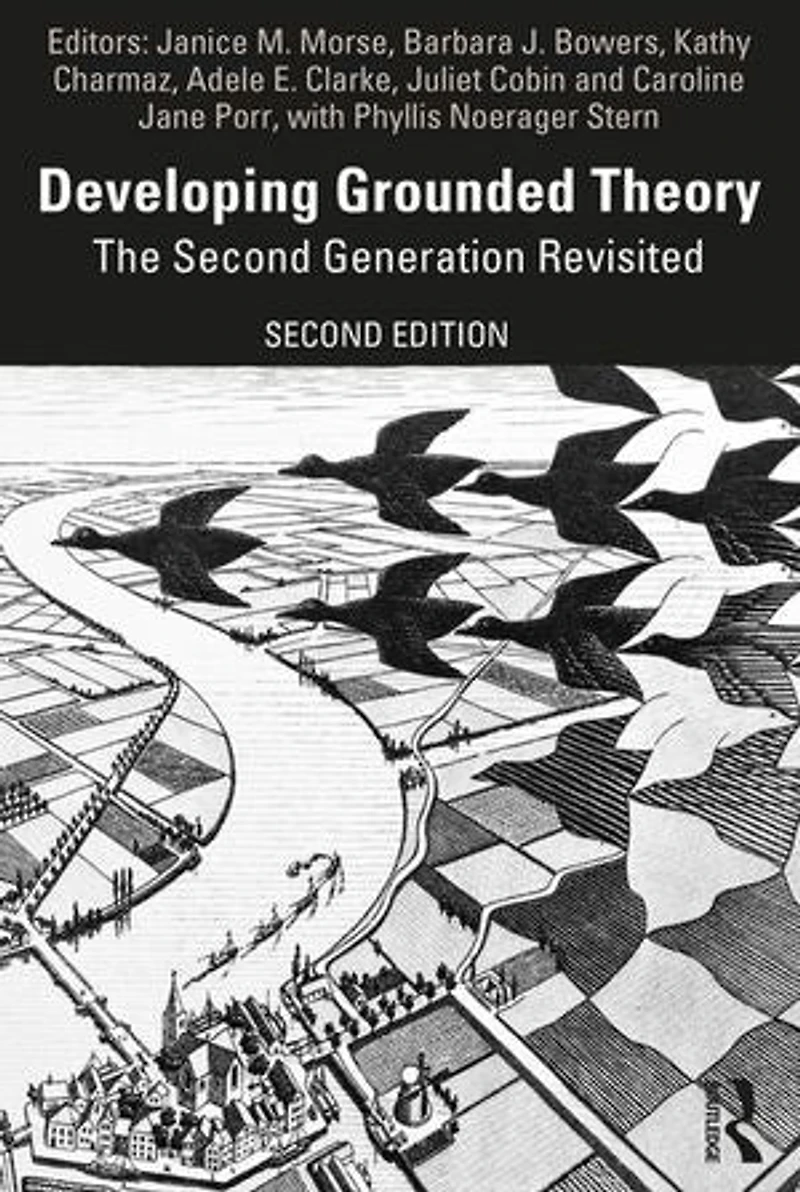
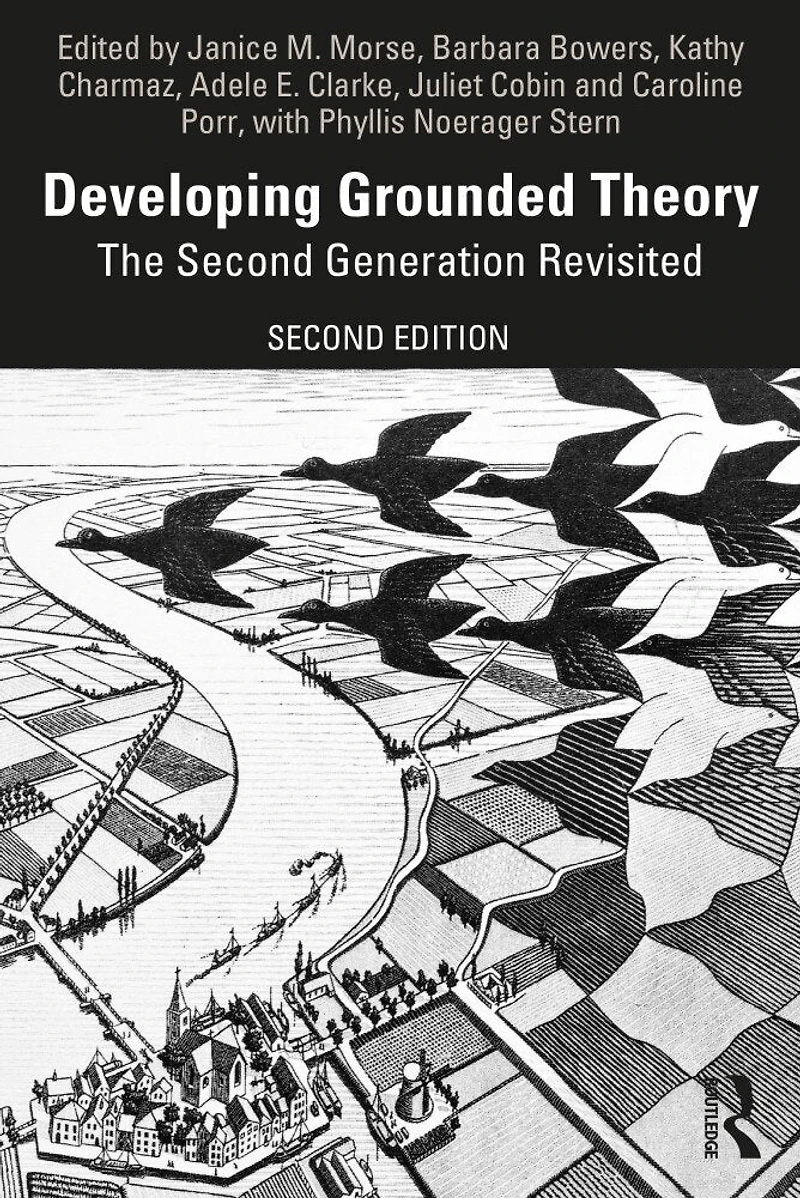
Developing Grounded Theory: The Second Generation Revisited
Current price: $296.50

Developing Grounded Theory: The Second Generation Revisited
Current price: $296.50
Loading Inventory...
Size: Hardcover
*Product information may vary - to confirm product availability, pricing, shipping and return information please contact Indigo
Developing Grounded Theory: The Second Generation Revisited is a highly accessible description of the rapid development of grounded theories and the latest developments in grounded theory methods. A succinct overview of the development of grounded theory is provided, including the similarities and differences between Glaserian and Straussian grounded theory. The method introduced by Schatzman, and the development of Charmaz's constructivist grounded theory and Clarke's situational analysis, are clearly presented. The book is divided into seven sections: each type of grounded theory is discussed by the developer (or their student), followed by a chapter describing a project that used that particular type of grounded theory. Bookending these chapters is the first chapter, which describes the development and landscape of grounded theory, and a final chapter describing the challenges to the future of grounded theory. This book is ideally suited for beginning students trying to come to grips with the field as well as more advanced researchers attempting to delineate the major types of grounded theory.
Developing Grounded Theory: The Second Generation Revisited is a highly accessible description of the rapid development of grounded theories and the latest developments in grounded theory methods. A succinct overview of the development of grounded theory is provided, including the similarities and differences between Glaserian and Straussian grounded theory. The method introduced by Schatzman, and the development of Charmaz's constructivist grounded theory and Clarke's situational analysis, are clearly presented. The book is divided into seven sections: each type of grounded theory is discussed by the developer (or their student), followed by a chapter describing a project that used that particular type of grounded theory. Bookending these chapters is the first chapter, which describes the development and landscape of grounded theory, and a final chapter describing the challenges to the future of grounded theory. This book is ideally suited for beginning students trying to come to grips with the field as well as more advanced researchers attempting to delineate the major types of grounded theory.
You May Also Like












More About Indigo at Erin Mills Town Centre
The largest book retailer in Canada also offers toys, music, home décor, gifts and lifestyle products. What's Inside...Books, Magazines, CD’s and DVD’s, Toys and Gifts, Home Accents, Electronics, Baby’s and Children’s Section, Bath and Body, Kitchen and Bedroom, Stationary Located outside in the exterior plaza.
5015 Glen Erin Dr, Mississauga, ON L5M 0R7, Canada
Find Indigo at Erin Mills Town Centre in Mississauga ON
Visit Indigo at Erin Mills Town Centre in Mississauga ON