

GIVE THE PERFECT GIFT
Erin Mills Town Centre Gift Cards are the perfect choice for your gift giving needs.Purchase gift cards at kiosks near the food court or centre court, at Guest Services, or click below to purchase online.PURCHASE HEREHome
Developing Trauma-Informed Teachers: Creating Classrooms that Foster Equity, Resiliency, and Asset-Based Approaches: Reflections on Curricula Program Implementation
Indigo
Loading Inventory...
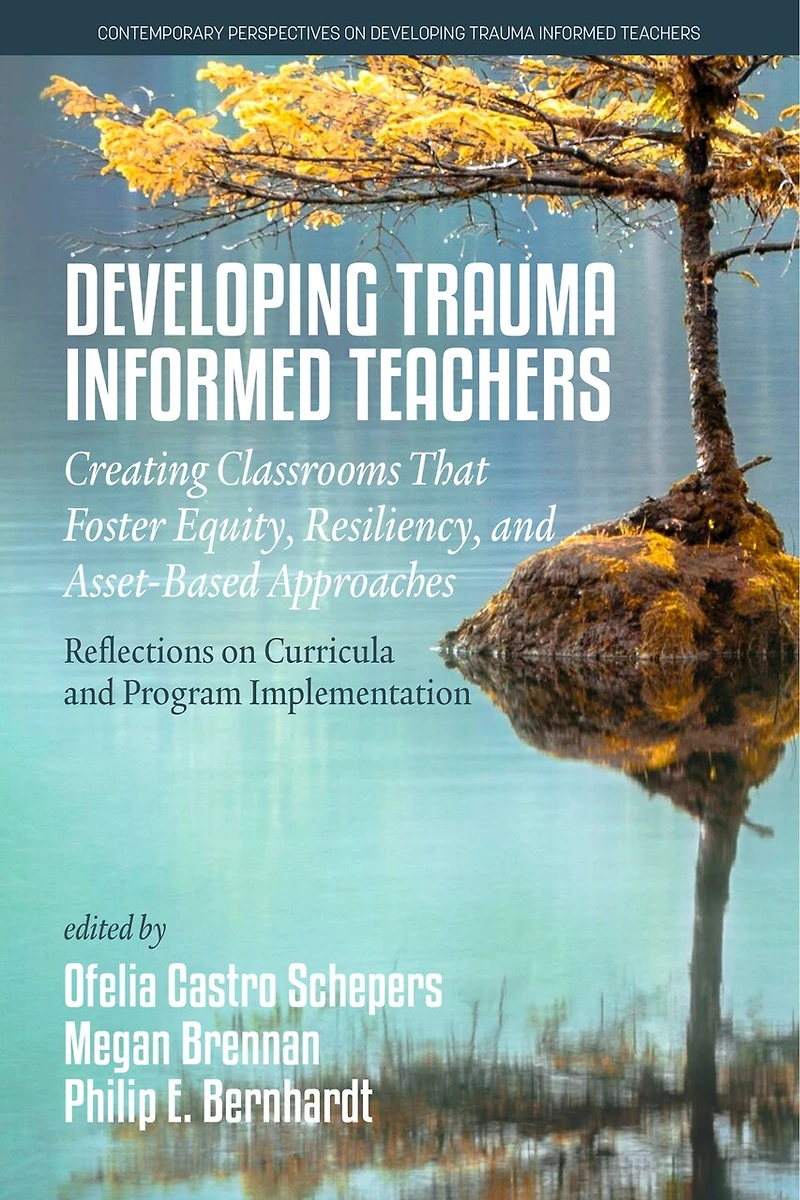
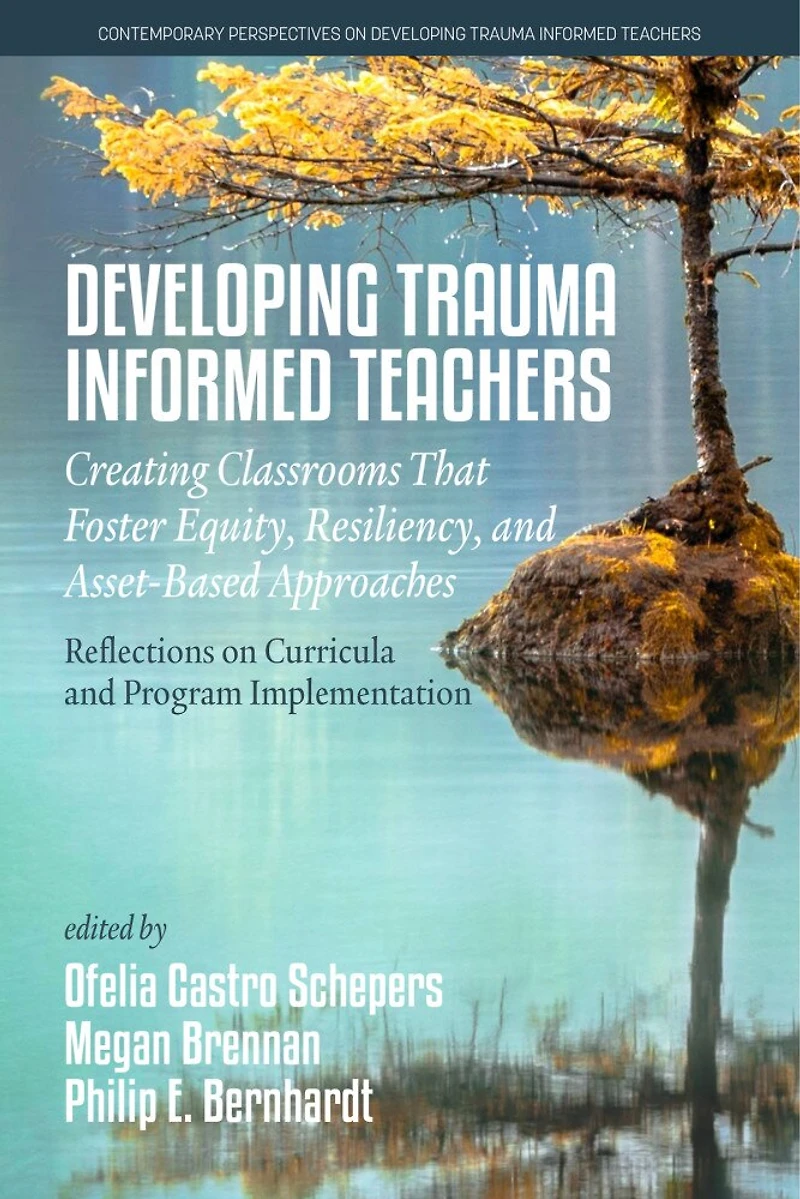
Developing Trauma-Informed Teachers: Creating Classrooms that Foster Equity, Resiliency, and Asset-Based Approaches: Reflections on Curricula Program Implementation
Current price: $142.99

Developing Trauma-Informed Teachers: Creating Classrooms that Foster Equity, Resiliency, and Asset-Based Approaches: Reflections on Curricula Program Implementation
Current price: $142.99
Loading Inventory...
Size: Hardcover
*Product information may vary - to confirm product availability, pricing, shipping and return information please contact Indigo
Trauma is a public health crisis. High rates of trauma exposure among youth and the impact that experiences of trauma can have on students’ psychosocial and academic outcomes are well-established. These traumatic events do not live outside of the scope of schools and teaching. As children and teachers develop communities within their classrooms and schools, trauma comes with those who have experienced it, whether invited or not (Bien & Dutro, 2014). This extended time that teachers spend with students inherently provides opportunity to witness students’ lived experiences (Caringi et al., 2015; Motta, 2012). These experiences capture many facets of students’ lives, including traumatic events; however, many teachers indicate that they feel unprepared to address students who have experienced trauma in meaningful and sustainable ways (Caringi et al, 2015). In response, many schools and districts have adopted trauma-informed practices (Overstreet & Chafouleas, 2016). This text addresses the gap in the literature in embedding trauma-informed practices into pre-service teacher education. This text provides examples of the various ways educator preparation faculty are developing and implementing trauma-informed practices across their programs, instituting broader curricular shifts to incorporate trauma-informed practices, shifting pedagogical practices to include trauma-informed practices and collaborating across disciplines in order to ensure that teacher candidates are thoughtfully prepared to address students’ needs and create classroom environments that are equitable, safe and sustainable for students and teachers.
Trauma is a public health crisis. High rates of trauma exposure among youth and the impact that experiences of trauma can have on students’ psychosocial and academic outcomes are well-established. These traumatic events do not live outside of the scope of schools and teaching. As children and teachers develop communities within their classrooms and schools, trauma comes with those who have experienced it, whether invited or not (Bien & Dutro, 2014). This extended time that teachers spend with students inherently provides opportunity to witness students’ lived experiences (Caringi et al., 2015; Motta, 2012). These experiences capture many facets of students’ lives, including traumatic events; however, many teachers indicate that they feel unprepared to address students who have experienced trauma in meaningful and sustainable ways (Caringi et al, 2015). In response, many schools and districts have adopted trauma-informed practices (Overstreet & Chafouleas, 2016). This text addresses the gap in the literature in embedding trauma-informed practices into pre-service teacher education. This text provides examples of the various ways educator preparation faculty are developing and implementing trauma-informed practices across their programs, instituting broader curricular shifts to incorporate trauma-informed practices, shifting pedagogical practices to include trauma-informed practices and collaborating across disciplines in order to ensure that teacher candidates are thoughtfully prepared to address students’ needs and create classroom environments that are equitable, safe and sustainable for students and teachers.
You May Also Like
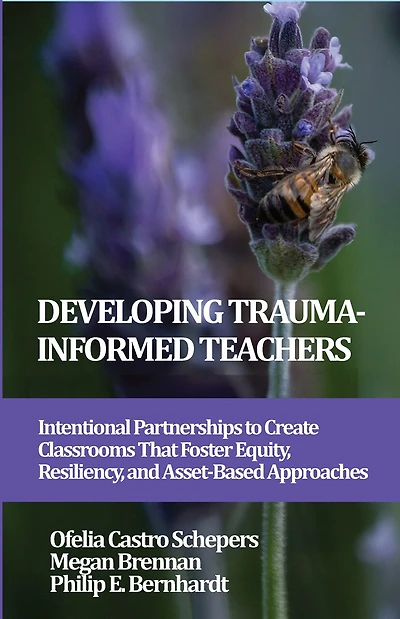














More About Indigo at Erin Mills Town Centre
The largest book retailer in Canada also offers toys, music, home décor, gifts and lifestyle products. What's Inside...Books, Magazines, CD’s and DVD’s, Toys and Gifts, Home Accents, Electronics, Baby’s and Children’s Section, Bath and Body, Kitchen and Bedroom, Stationary Located outside in the exterior plaza.
5015 Glen Erin Dr, Mississauga, ON L5M 0R7, Canada
Find Indigo at Erin Mills Town Centre in Mississauga ON
Visit Indigo at Erin Mills Town Centre in Mississauga ON