

GIVE THE PERFECT GIFT
Erin Mills Town Centre Gift Cards are the perfect choice for your gift giving needs.Purchase gift cards at kiosks near the food court or centre court, at Guest Services, or click below to purchase online.PURCHASE HEREHome
Development Strategies and Biodiversity: Darwinian Fitness Evolution the Anthropocene
Indigo
Loading Inventory...
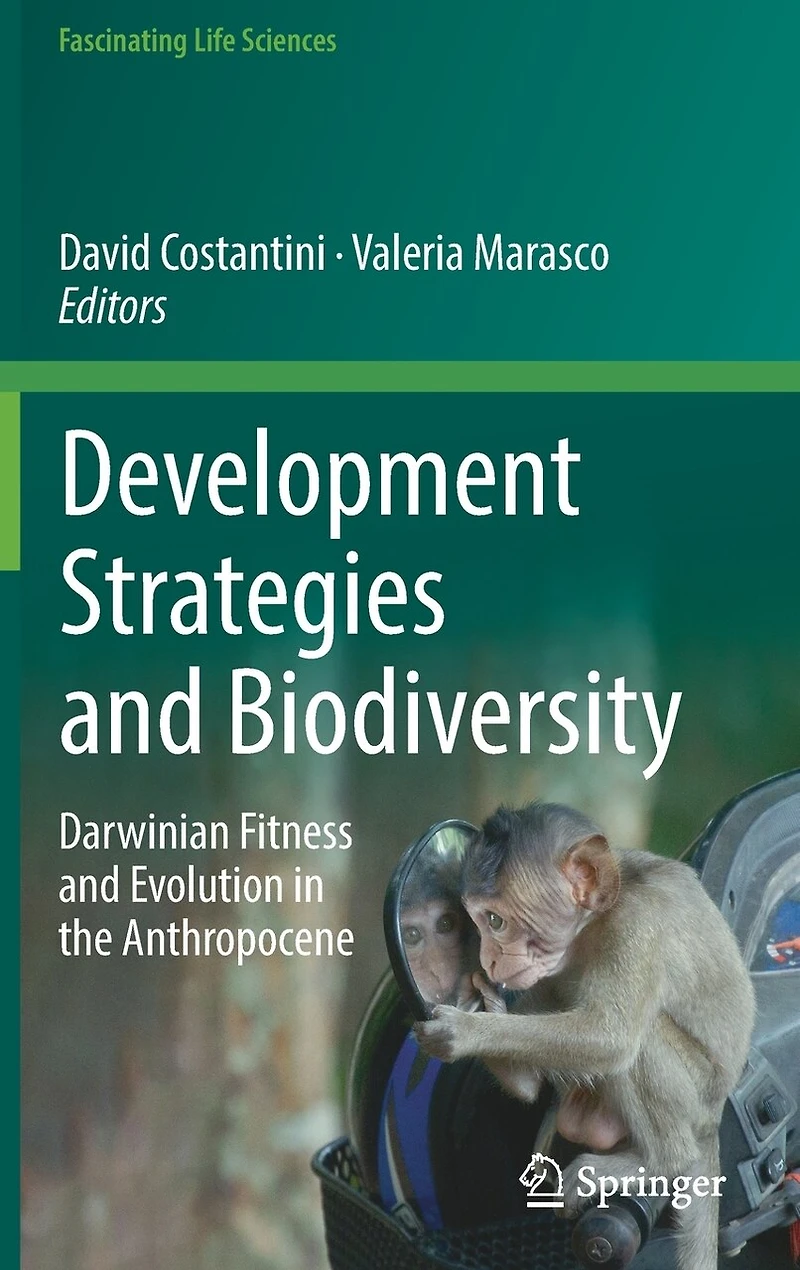
Development Strategies and Biodiversity: Darwinian Fitness Evolution the Anthropocene
Current price: $189.95

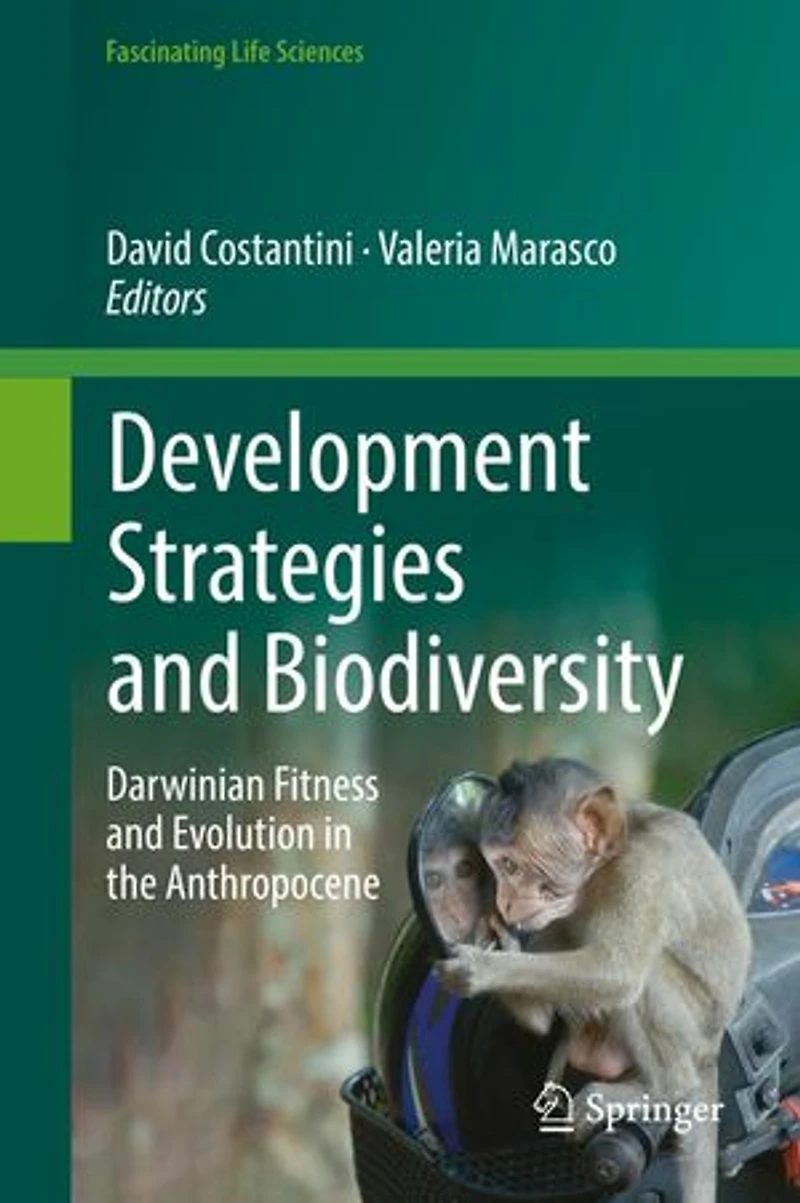
Development Strategies and Biodiversity: Darwinian Fitness Evolution the Anthropocene
Current price: $189.95
Loading Inventory...
Size: Hardcover
*Product information may vary - to confirm product availability, pricing, shipping and return information please contact Indigo
Development is a complex and highly dynamic process involving the cross talk among genes, maternal effects and environmental circumstances. Widespread evidence from plant to animal species show that variation in developmental conditions can modulate life history trajectories and influence key traits, such as growth, reproduction, and senescence. These effects are not limited to a single generation but can also be passed on future generations. This book aims to bring together studies of early life effects from the fields of evolutionary biology, global change biology, and biomedicine to synthesise and improve current knowledge of the mechanisms involved, and how variation in early life conditions translates into Darwinian fitness outcomes. Relying on examples of organisms' responses to the ongoing and future environmental challenges of the Anthropocene, this book takes a novel approach to address the adaptive meaning of early life effects. The book has a broad scientific approach, targeting eco-evolutionary biologists, behavioural biologists, eco-physiologists, eco-toxicologists, as well as epidemiologists and biomedical scientists.
Development is a complex and highly dynamic process involving the cross talk among genes, maternal effects and environmental circumstances. Widespread evidence from plant to animal species show that variation in developmental conditions can modulate life history trajectories and influence key traits, such as growth, reproduction, and senescence. These effects are not limited to a single generation but can also be passed on future generations. This book aims to bring together studies of early life effects from the fields of evolutionary biology, global change biology, and biomedicine to synthesise and improve current knowledge of the mechanisms involved, and how variation in early life conditions translates into Darwinian fitness outcomes. Relying on examples of organisms' responses to the ongoing and future environmental challenges of the Anthropocene, this book takes a novel approach to address the adaptive meaning of early life effects. The book has a broad scientific approach, targeting eco-evolutionary biologists, behavioural biologists, eco-physiologists, eco-toxicologists, as well as epidemiologists and biomedical scientists.
You May Also Like












More About Indigo at Erin Mills Town Centre
The largest book retailer in Canada also offers toys, music, home décor, gifts and lifestyle products. What's Inside...Books, Magazines, CD’s and DVD’s, Toys and Gifts, Home Accents, Electronics, Baby’s and Children’s Section, Bath and Body, Kitchen and Bedroom, Stationary Located outside in the exterior plaza.
5015 Glen Erin Dr, Mississauga, ON L5M 0R7, Canada
Find Indigo at Erin Mills Town Centre in Mississauga ON
Visit Indigo at Erin Mills Town Centre in Mississauga ON