

GIVE THE PERFECT GIFT
Erin Mills Town Centre Gift Cards are the perfect choice for your gift giving needs.Purchase gift cards at kiosks near the food court or centre court, at Guest Services, or click below to purchase online.PURCHASE HEREHome
Developments in the Japanese Documentary Mode
Indigo
Loading Inventory...
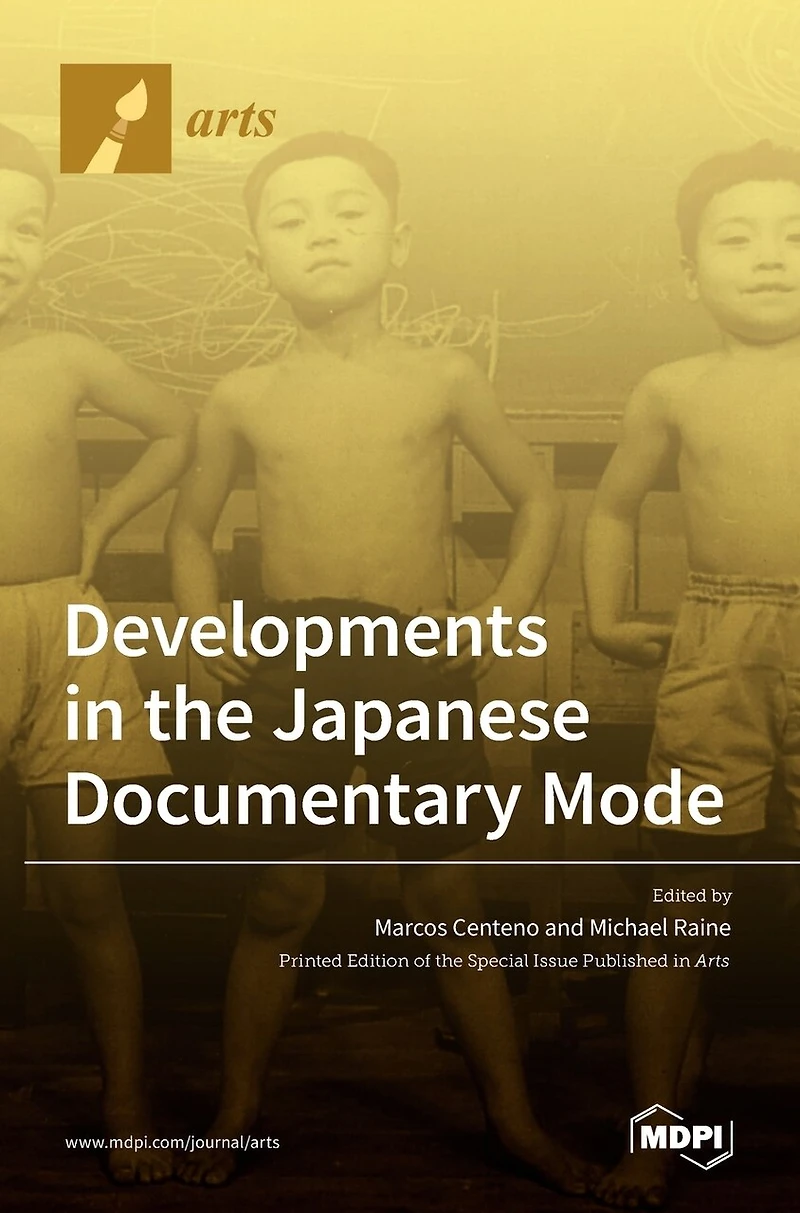
Developments in the Japanese Documentary Mode
Current price: $66.60

Developments in the Japanese Documentary Mode
Current price: $66.60
Loading Inventory...
Size: Hardcover
*Product information may vary - to confirm product availability, pricing, shipping and return information please contact Indigo
Writing on Japanese cinema has prioritized aesthetic and cultural difference, and obscured Japan's contribution to the representation of real life in cinema and related forms. Donald Richie, who was instrumental in introducing Japanese cinema to the West, even claimed that Japan did not have a true documentary tradition due to the apparent preference of Japanese audiences for stylisation over realism, a preference that originated from its theatrical tradition. However, a closer look at the history of Japanese documentary and feature film production reveals an emphasis on actuality and everyday life as a major part of Japanese film culture. That 'documentary mode' - crossing genre and medium like Peter Brooks' 'melodramatic mode' rather than limited to styles of documentary filmmaking alone - identifies rhetoric of authenticity in cinema and related media, even as that rhetoric was sometimes put in service to political and economic ends. The articles in this Special Issue, 'Developments in the Japanese Documentary Mode', trace important changes in documentary film schools and movements from the 1930s onwards, sometimes in relation to other media, and the efforts of some post-war filmmakers to adapt the styles and ethical commitments that underpin documentary's "impression of authenticity" to their representation of fictional worlds
Writing on Japanese cinema has prioritized aesthetic and cultural difference, and obscured Japan's contribution to the representation of real life in cinema and related forms. Donald Richie, who was instrumental in introducing Japanese cinema to the West, even claimed that Japan did not have a true documentary tradition due to the apparent preference of Japanese audiences for stylisation over realism, a preference that originated from its theatrical tradition. However, a closer look at the history of Japanese documentary and feature film production reveals an emphasis on actuality and everyday life as a major part of Japanese film culture. That 'documentary mode' - crossing genre and medium like Peter Brooks' 'melodramatic mode' rather than limited to styles of documentary filmmaking alone - identifies rhetoric of authenticity in cinema and related media, even as that rhetoric was sometimes put in service to political and economic ends. The articles in this Special Issue, 'Developments in the Japanese Documentary Mode', trace important changes in documentary film schools and movements from the 1930s onwards, sometimes in relation to other media, and the efforts of some post-war filmmakers to adapt the styles and ethical commitments that underpin documentary's "impression of authenticity" to their representation of fictional worlds
You May Also Like









More About Indigo at Erin Mills Town Centre
The largest book retailer in Canada also offers toys, music, home décor, gifts and lifestyle products. What's Inside...Books, Magazines, CD’s and DVD’s, Toys and Gifts, Home Accents, Electronics, Baby’s and Children’s Section, Bath and Body, Kitchen and Bedroom, Stationary Located outside in the exterior plaza.
5015 Glen Erin Dr, Mississauga, ON L5M 0R7, Canada
Find Indigo at Erin Mills Town Centre in Mississauga ON
Visit Indigo at Erin Mills Town Centre in Mississauga ON