

GIVE THE PERFECT GIFT
Erin Mills Town Centre Gift Cards are the perfect choice for your gift giving needs.Purchase gift cards at kiosks near the food court or centre court, at Guest Services, or click below to purchase online.PURCHASE HEREHome
Devotional Visualities: Seeing Bhakti in Indic Material Cultures
Indigo
Loading Inventory...
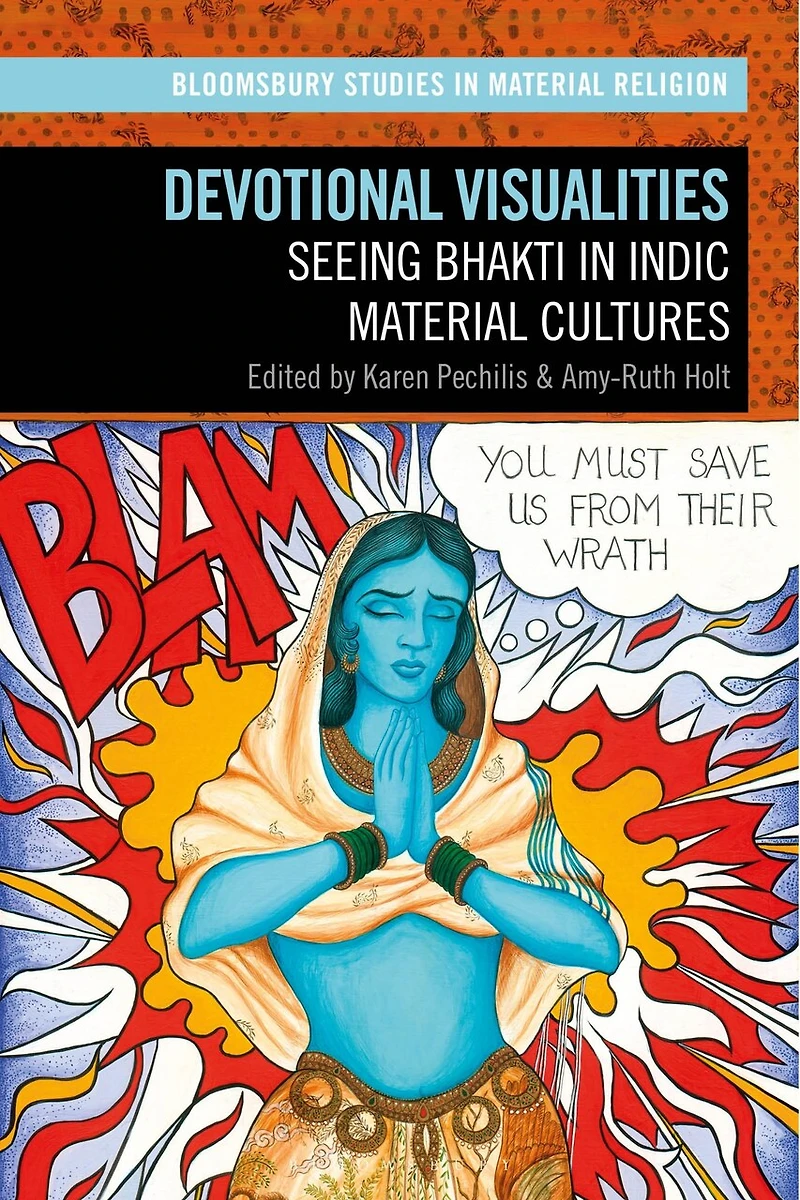
Devotional Visualities: Seeing Bhakti in Indic Material Cultures
Current price: $175.50

Devotional Visualities: Seeing Bhakti in Indic Material Cultures
Current price: $175.50
Loading Inventory...
Size: Hardcover
*Product information may vary - to confirm product availability, pricing, shipping and return information please contact Indigo
This book is the first to focus on material visualities of bhakti imagery that inspire, shape, convey, and expand both the visual practices of devotional communities, as well as possibilities for extending the reach of devotion in society in new and often unexpected ways. Communities of interpreters of bhakti images discussed in this book include not only a number of distinctive Hindu bhakti groups, but also artisans, diaspora women, South Asian Sufis, businessmen, dancers, and filmmakers. This book's identification of devotional practices of looking, such as materializing memory, mirroring and immaterializing portraits, and shaping the return look, connect material and visual cultures as well as illustrate modes of established and experimental image usage. Bhakti is one of the most-studied aspects of Indic devotionalism on account of its expression through emotive poetry, song, and vivid hagiographies of saints. The diverse devotional visualities analyzed in this book meaningfully circulate bhakti images in past and present, generating their renewed relationship to contemporary concerns.
This book is the first to focus on material visualities of bhakti imagery that inspire, shape, convey, and expand both the visual practices of devotional communities, as well as possibilities for extending the reach of devotion in society in new and often unexpected ways. Communities of interpreters of bhakti images discussed in this book include not only a number of distinctive Hindu bhakti groups, but also artisans, diaspora women, South Asian Sufis, businessmen, dancers, and filmmakers. This book's identification of devotional practices of looking, such as materializing memory, mirroring and immaterializing portraits, and shaping the return look, connect material and visual cultures as well as illustrate modes of established and experimental image usage. Bhakti is one of the most-studied aspects of Indic devotionalism on account of its expression through emotive poetry, song, and vivid hagiographies of saints. The diverse devotional visualities analyzed in this book meaningfully circulate bhakti images in past and present, generating their renewed relationship to contemporary concerns.
You May Also Like













More About Indigo at Erin Mills Town Centre
The largest book retailer in Canada also offers toys, music, home décor, gifts and lifestyle products. What's Inside...Books, Magazines, CD’s and DVD’s, Toys and Gifts, Home Accents, Electronics, Baby’s and Children’s Section, Bath and Body, Kitchen and Bedroom, Stationary Located outside in the exterior plaza.
5015 Glen Erin Dr, Mississauga, ON L5M 0R7, Canada
Find Indigo at Erin Mills Town Centre in Mississauga ON
Visit Indigo at Erin Mills Town Centre in Mississauga ON