

GIVE THE PERFECT GIFT
Erin Mills Town Centre Gift Cards are the perfect choice for your gift giving needs.Purchase gift cards at kiosks near the food court or centre court, at Guest Services, or click below to purchase online.PURCHASE HEREHome
Diabetes Mellitus: A Risk Factor For Alzheimer's Disease
Indigo
Loading Inventory...
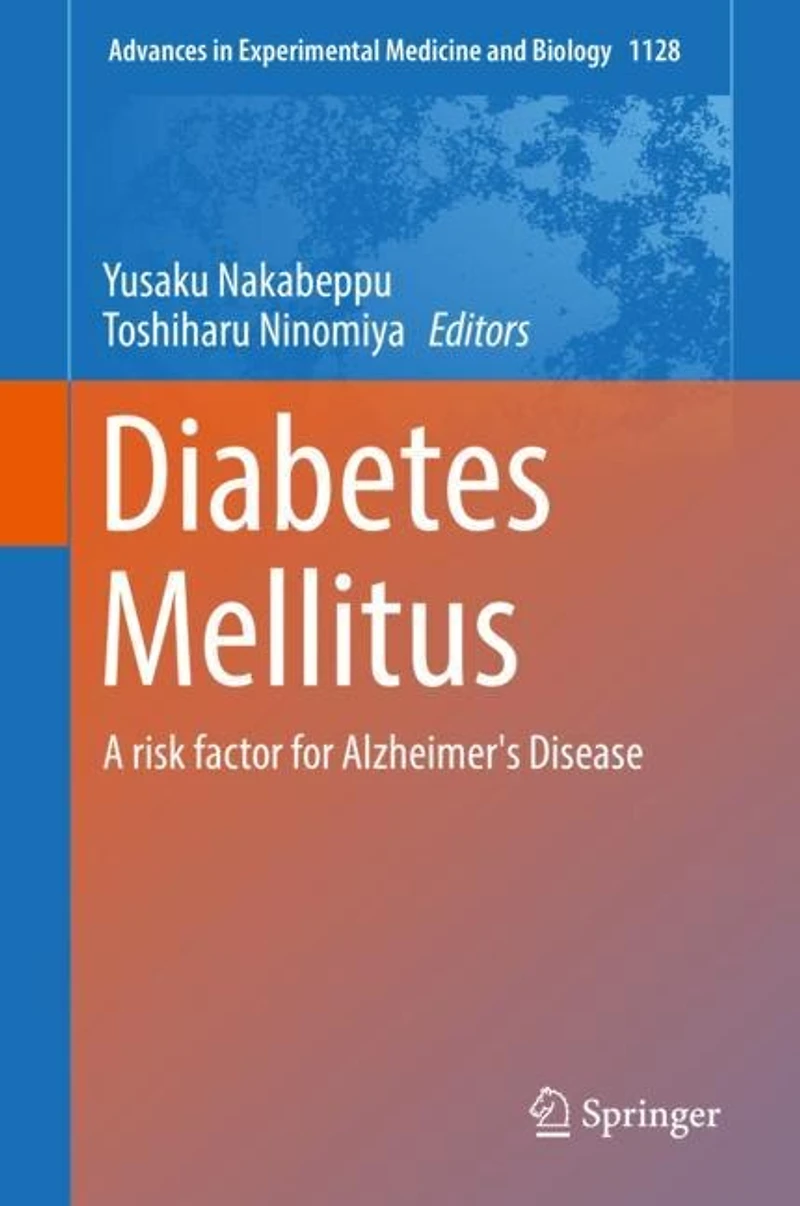
Diabetes Mellitus: A Risk Factor For Alzheimer's Disease
Current price: $248.50

Diabetes Mellitus: A Risk Factor For Alzheimer's Disease
Current price: $248.50
Loading Inventory...
Size: Hardcover
*Product information may vary - to confirm product availability, pricing, shipping and return information please contact Indigo
This book describes the precise mechanisms by which insulin resistance and diabetes mellitus (DM) act as risk factors for Alzheimer's disease (AD). It opens by discussing the de novo synthesis of insulin in the brain and its functional significance with regard to glucose metabolism and maintenance of neuronal function in the brain. The epidemiological evidence that DM is a risk factor for the development of dementia, including AD as well as vascular dementia, is then examined. Subsequent chapters explore in depth the mechanisms involved in this relationship, including abnormal protein processing, dysregulated glucose metabolism, impaired insulin signaling, and mitochondrial dysfunction. The molecular interactions between diabetes and AD are fully discussed, highlighting the pathological molecular mechanisms induced by diabetes that promote and accelerate AD pathology. Finally, diagnostic biomarkers and potential therapeutic approaches for AD are considered on the basis of the presented evidence. In providing answers to the critical questions of whether and why DM is a risk factor for AD, this book will hold appeal for a wide interdisciplinary audience.
This book describes the precise mechanisms by which insulin resistance and diabetes mellitus (DM) act as risk factors for Alzheimer's disease (AD). It opens by discussing the de novo synthesis of insulin in the brain and its functional significance with regard to glucose metabolism and maintenance of neuronal function in the brain. The epidemiological evidence that DM is a risk factor for the development of dementia, including AD as well as vascular dementia, is then examined. Subsequent chapters explore in depth the mechanisms involved in this relationship, including abnormal protein processing, dysregulated glucose metabolism, impaired insulin signaling, and mitochondrial dysfunction. The molecular interactions between diabetes and AD are fully discussed, highlighting the pathological molecular mechanisms induced by diabetes that promote and accelerate AD pathology. Finally, diagnostic biomarkers and potential therapeutic approaches for AD are considered on the basis of the presented evidence. In providing answers to the critical questions of whether and why DM is a risk factor for AD, this book will hold appeal for a wide interdisciplinary audience.
You May Also Like











More About Indigo at Erin Mills Town Centre
The largest book retailer in Canada also offers toys, music, home décor, gifts and lifestyle products. What's Inside...Books, Magazines, CD’s and DVD’s, Toys and Gifts, Home Accents, Electronics, Baby’s and Children’s Section, Bath and Body, Kitchen and Bedroom, Stationary Located outside in the exterior plaza.
5015 Glen Erin Dr, Mississauga, ON L5M 0R7, Canada
Find Indigo at Erin Mills Town Centre in Mississauga ON
Visit Indigo at Erin Mills Town Centre in Mississauga ON