

GIVE THE PERFECT GIFT
Erin Mills Town Centre Gift Cards are the perfect choice for your gift giving needs.Purchase gift cards at kiosks near the food court or centre court, at Guest Services, or click below to purchase online.PURCHASE HEREHome
Diagnosis of Endometriosis: Biomarkers and Clinical Methods
Indigo
Loading Inventory...
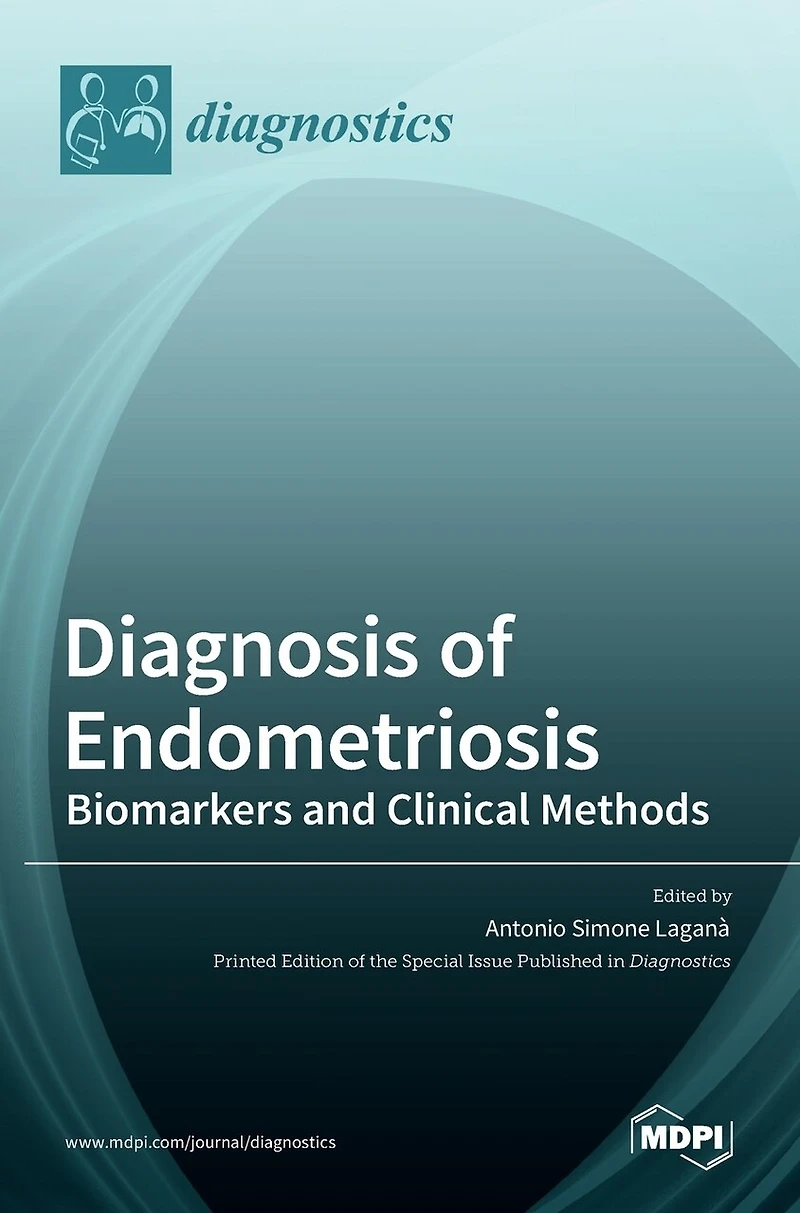
Diagnosis of Endometriosis: Biomarkers and Clinical Methods
Current price: $61.20

Diagnosis of Endometriosis: Biomarkers and Clinical Methods
Current price: $61.20
Loading Inventory...
Size: Hardcover
*Product information may vary - to confirm product availability, pricing, shipping and return information please contact Indigo
Endometriosis is defined as the presence of endometrial-like endometrial cells, glands, and stroma outside the uterus, causing a wide range of symptoms and signs, including acute and chronic pelvic pain and infertility. Endometriosis affects approximately 10% of women of reproductive age, and up to 50% of infertile women. The etiopathogenesis of endometriosis still remains controversial: immune, hormonal, genetic, and epigenetic factors may be all involved, and several theories have been proposed to explain it. One of the main problems for the management of endometriosis is the significant diagnostic delay: to date, several biomarkers are currently being tested in order to provide a reliable non-invasive diagnosis in case of symptoms and signs suspicious for endometriosis. In addition, ultrasound techniques and magnetic resonance imaging are evolving rapidly, allowing for better accuracy, even with the use of artificial intelligence. Finally, new potential histological makers are helping to correlate the occurrence of endometriosis in different anatomical landmarks, supporting specific pathways to clarify the etiology of the disease.
Endometriosis is defined as the presence of endometrial-like endometrial cells, glands, and stroma outside the uterus, causing a wide range of symptoms and signs, including acute and chronic pelvic pain and infertility. Endometriosis affects approximately 10% of women of reproductive age, and up to 50% of infertile women. The etiopathogenesis of endometriosis still remains controversial: immune, hormonal, genetic, and epigenetic factors may be all involved, and several theories have been proposed to explain it. One of the main problems for the management of endometriosis is the significant diagnostic delay: to date, several biomarkers are currently being tested in order to provide a reliable non-invasive diagnosis in case of symptoms and signs suspicious for endometriosis. In addition, ultrasound techniques and magnetic resonance imaging are evolving rapidly, allowing for better accuracy, even with the use of artificial intelligence. Finally, new potential histological makers are helping to correlate the occurrence of endometriosis in different anatomical landmarks, supporting specific pathways to clarify the etiology of the disease.
You May Also Like
















More About Indigo at Erin Mills Town Centre
The largest book retailer in Canada also offers toys, music, home décor, gifts and lifestyle products. What's Inside...Books, Magazines, CD’s and DVD’s, Toys and Gifts, Home Accents, Electronics, Baby’s and Children’s Section, Bath and Body, Kitchen and Bedroom, Stationary Located outside in the exterior plaza.
5015 Glen Erin Dr, Mississauga, ON L5M 0R7, Canada
Find Indigo at Erin Mills Town Centre in Mississauga ON
Visit Indigo at Erin Mills Town Centre in Mississauga ON