

GIVE THE PERFECT GIFT
Erin Mills Town Centre Gift Cards are the perfect choice for your gift giving needs.Purchase gift cards at kiosks near the food court or centre court, at Guest Services, or click below to purchase online.PURCHASE HEREHome
Dialectical Thinking: Zeno, Socrates, Kant, Marx
Indigo
Loading Inventory...
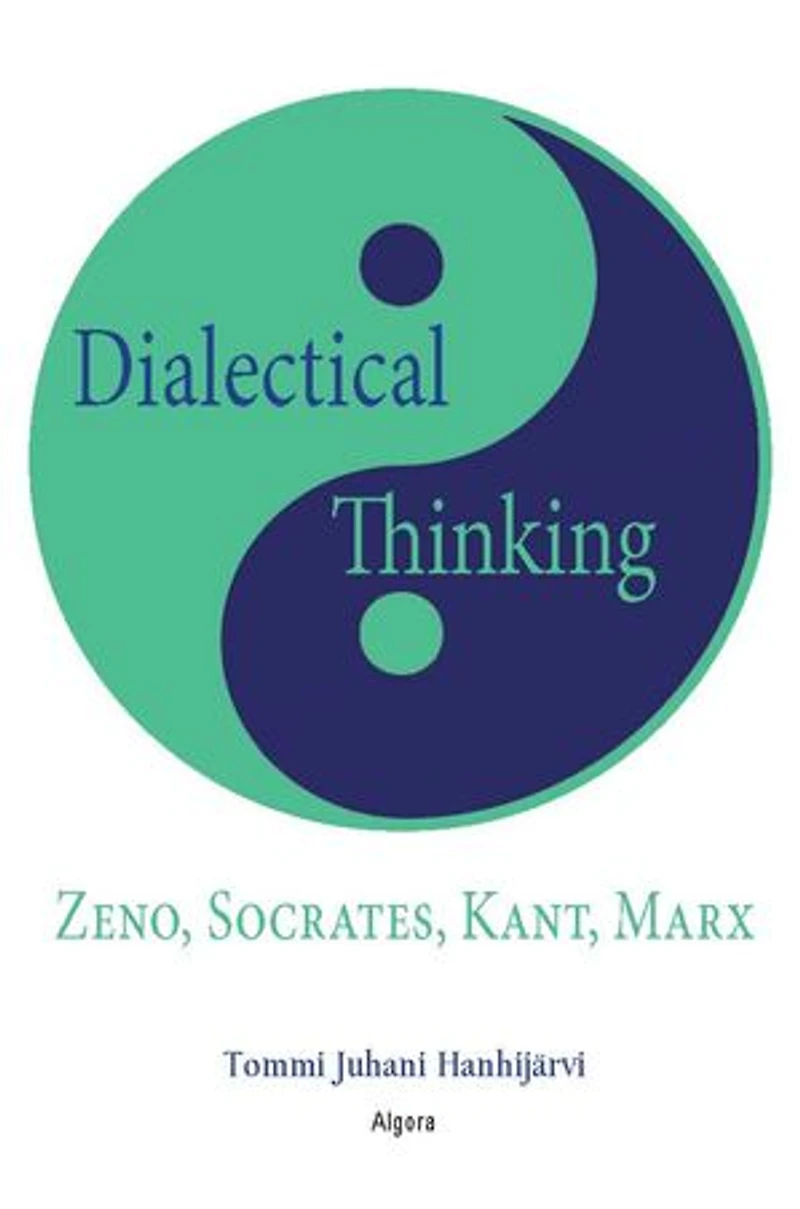
Dialectical Thinking: Zeno, Socrates, Kant, Marx
Current price: $24.79
Original price: $30.98

Dialectical Thinking: Zeno, Socrates, Kant, Marx
Current price: $24.79
Original price: $30.98
Loading Inventory...
Size: Kobo eBook
*Product information may vary - to confirm product availability, pricing, shipping and return information please contact Indigo
This book introduces the reader to dialectical reasoning, a kind of thinking found in ancient East Asia and Greece as well as modern Europe and elsewhere in the contemporary world.
Here, we focus on Zeno, Socrates, Kant, and Marx, with appendices on Karl Popper and the Frankfurt School. Studying these sources from different regions and periods, we see that the thinking is essentially the same. A similar formal pattern recurs: dialectical thought is always oppositional and self-relational.
This book is written in the belief that dialectical thought is understandable and relevant to many kinds of persons. One does need to have a degree in philosophy to be moved by the great dialecticians. One may even be a dialectician without academic training.
This book introduces the reader to dialectical reasoning, a kind of thinking found in ancient East Asia and Greece as well as modern Europe and elsewhere in the contemporary world.
Here, we focus on Zeno, Socrates, Kant, and Marx, with appendices on Karl Popper and the Frankfurt School. Studying these sources from different regions and periods, we see that the thinking is essentially the same. A similar formal pattern recurs: dialectical thought is always oppositional and self-relational.
This book is written in the belief that dialectical thought is understandable and relevant to many kinds of persons. One does need to have a degree in philosophy to be moved by the great dialecticians. One may even be a dialectician without academic training.
You May Also Like








More About Indigo at Erin Mills Town Centre
The largest book retailer in Canada also offers toys, music, home décor, gifts and lifestyle products. What's Inside...Books, Magazines, CD’s and DVD’s, Toys and Gifts, Home Accents, Electronics, Baby’s and Children’s Section, Bath and Body, Kitchen and Bedroom, Stationary Located outside in the exterior plaza.
5015 Glen Erin Dr, Mississauga, ON L5M 0R7, Canada
Find Indigo at Erin Mills Town Centre in Mississauga ON
Visit Indigo at Erin Mills Town Centre in Mississauga ON