

GIVE THE PERFECT GIFT
Erin Mills Town Centre Gift Cards are the perfect choice for your gift giving needs.Purchase gift cards at kiosks near the food court or centre court, at Guest Services, or click below to purchase online.PURCHASE HEREHome
Dietary Resilience Strategies Older Adults with Physical Disabilities: Eating for Independence, Agency and Dignity
Indigo
Loading Inventory...

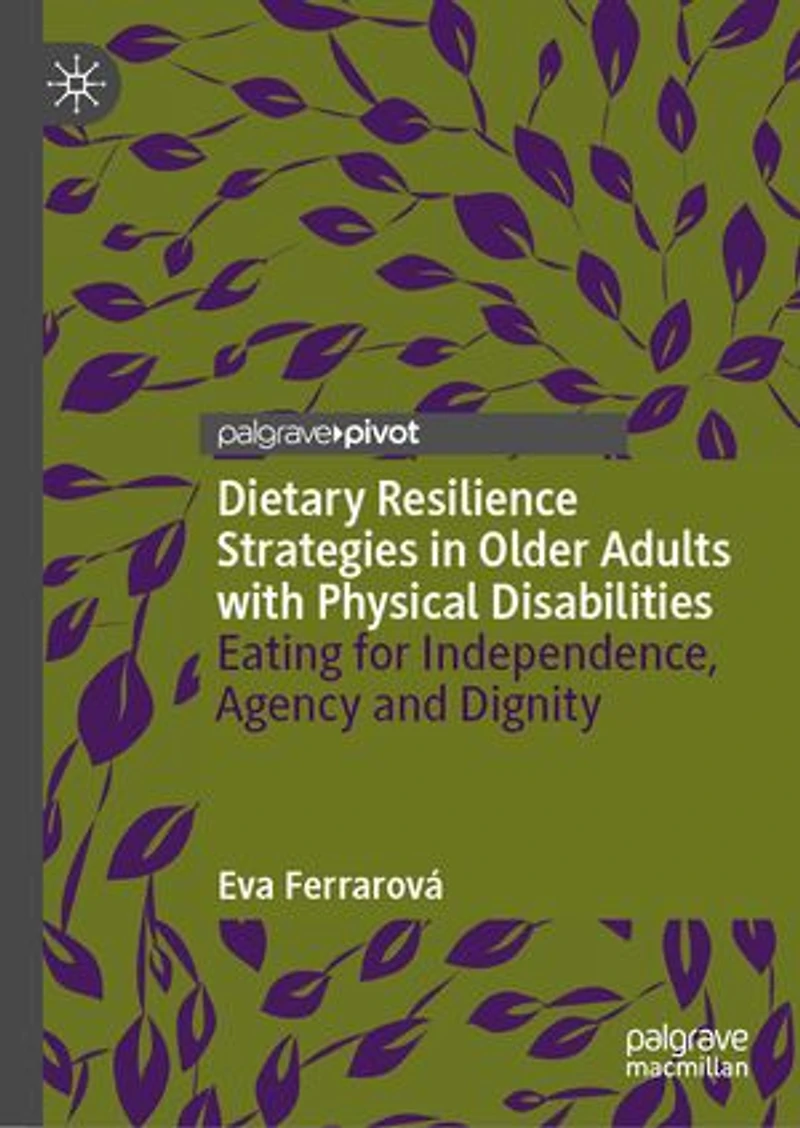
Dietary Resilience Strategies Older Adults with Physical Disabilities: Eating for Independence, Agency and Dignity
Current price: $65.95

Dietary Resilience Strategies Older Adults with Physical Disabilities: Eating for Independence, Agency and Dignity
Current price: $65.95
Loading Inventory...
Size: Hardcover
*Product information may vary - to confirm product availability, pricing, shipping and return information please contact Indigo
This book examines how older adults with physical disabilities living at home develop dietary resilience strategies to maintain independence, agency, and dignity in later life. Drawing on extensive theoretical literature and rich qualitative research with home dwelling older adults, it analyses how people adapt to food related challenges associated with ageing (such as declining health, mobility limitations, sensory changes, financial constraints, retirement, widowhood, and social isolation) and how they mobilise personal, social, and cultural resources to sustain meaningful eating practices. Grounded in a robust conceptual framework that integrates gerontology, the life course perspective, nutritional science, gender studies, and the anthropology of food, the book reframes dietary resilience as a multidimensional process shaped not only by biological or nutritional needs but also by identity, cultural continuity, social relationships, and everyday experiences of agency. It reveals how older adults adapt recipes and routines, diversify food sources, reorganise kitchen environments, rely on supportive networks, practise mindful eating, and preserve pleasure and ritual in ways that reinforce autonomy and well being despite physical limitations. A key contribution of the book is its attention to gendered life histories and foodwork, showing how men and women draw on different forms of knowledge, social capital, and embodied experience to negotiate changing capabilities and roles in later life. Short yet comprehensive, the book foregrounds the sense of security and independence that food provides in old age and highlights strength based strategies through which older adults maintain quality of life. It concludes with practical implications for researchers, professionals, and caregivers seeking to support autonomy, culturally meaningful nutrition, and dignified ageing.
This book examines how older adults with physical disabilities living at home develop dietary resilience strategies to maintain independence, agency, and dignity in later life. Drawing on extensive theoretical literature and rich qualitative research with home dwelling older adults, it analyses how people adapt to food related challenges associated with ageing (such as declining health, mobility limitations, sensory changes, financial constraints, retirement, widowhood, and social isolation) and how they mobilise personal, social, and cultural resources to sustain meaningful eating practices. Grounded in a robust conceptual framework that integrates gerontology, the life course perspective, nutritional science, gender studies, and the anthropology of food, the book reframes dietary resilience as a multidimensional process shaped not only by biological or nutritional needs but also by identity, cultural continuity, social relationships, and everyday experiences of agency. It reveals how older adults adapt recipes and routines, diversify food sources, reorganise kitchen environments, rely on supportive networks, practise mindful eating, and preserve pleasure and ritual in ways that reinforce autonomy and well being despite physical limitations. A key contribution of the book is its attention to gendered life histories and foodwork, showing how men and women draw on different forms of knowledge, social capital, and embodied experience to negotiate changing capabilities and roles in later life. Short yet comprehensive, the book foregrounds the sense of security and independence that food provides in old age and highlights strength based strategies through which older adults maintain quality of life. It concludes with practical implications for researchers, professionals, and caregivers seeking to support autonomy, culturally meaningful nutrition, and dignified ageing.
You May Also Like








More About Indigo at Erin Mills Town Centre
The largest book retailer in Canada also offers toys, music, home décor, gifts and lifestyle products. What's Inside...Books, Magazines, CD’s and DVD’s, Toys and Gifts, Home Accents, Electronics, Baby’s and Children’s Section, Bath and Body, Kitchen and Bedroom, Stationary Located outside in the exterior plaza.
5015 Glen Erin Dr, Mississauga, ON L5M 0R7, Canada
Find Indigo at Erin Mills Town Centre in Mississauga ON
Visit Indigo at Erin Mills Town Centre in Mississauga ON