

GIVE THE PERFECT GIFT
Erin Mills Town Centre Gift Cards are the perfect choice for your gift giving needs.Purchase gift cards at kiosks near the food court or centre court, at Guest Services, or click below to purchase online.PURCHASE HEREHome
Digital Development in East Africa: The Distribution, Diffusion, and Governance of Information Technology
Indigo
Loading Inventory...
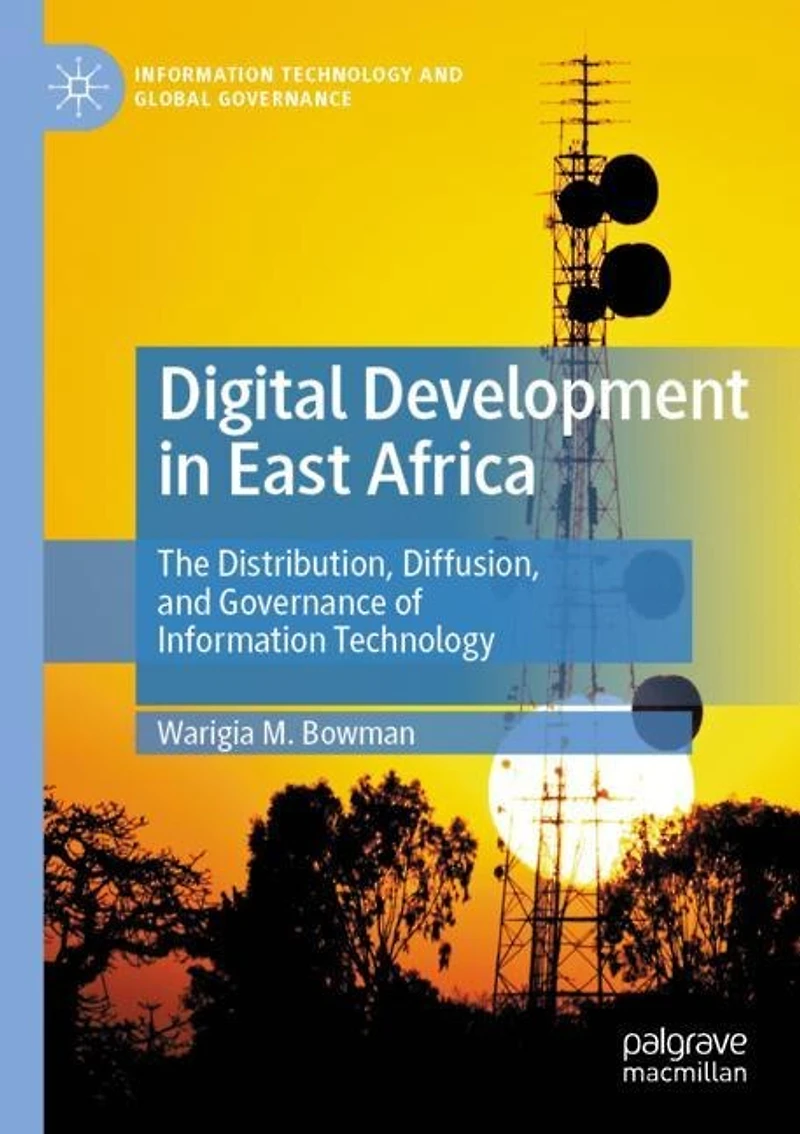
Digital Development in East Africa: The Distribution, Diffusion, and Governance of Information Technology
Current price: $204.50

Digital Development in East Africa: The Distribution, Diffusion, and Governance of Information Technology
Current price: $204.50
Loading Inventory...
Size: Paperback
*Product information may vary - to confirm product availability, pricing, shipping and return information please contact Indigo
This book uses comparative case study methodology and extensive field work to examine and compare outcomes of four East African nations (Kenya, Tanzania, Uganda, and Rwanda) that implemented formal Information and Communications Technology policies in the 1990s. Based on extensive fieldwork, the book assesses the emergence of a new policy and technological arena from the turn of the millennium to the present. In addition to tracing the implementation and reception of these policies, Bowman considers to what extent the politics of infrastructure in four connected but distinct African nations have resulted in global participation and equitable distribution and access of infrastructure to all citizens, as well as the impact a recent history of war or peace have on the technological outcomes in these communities. The book provides us with invaluable new data on how policy and politics function in emerging democracies, and illuminates long-overlooked opportunities and conditions necessary for the distribution of new and potentially beneficial technologies in other developing countries.
This book uses comparative case study methodology and extensive field work to examine and compare outcomes of four East African nations (Kenya, Tanzania, Uganda, and Rwanda) that implemented formal Information and Communications Technology policies in the 1990s. Based on extensive fieldwork, the book assesses the emergence of a new policy and technological arena from the turn of the millennium to the present. In addition to tracing the implementation and reception of these policies, Bowman considers to what extent the politics of infrastructure in four connected but distinct African nations have resulted in global participation and equitable distribution and access of infrastructure to all citizens, as well as the impact a recent history of war or peace have on the technological outcomes in these communities. The book provides us with invaluable new data on how policy and politics function in emerging democracies, and illuminates long-overlooked opportunities and conditions necessary for the distribution of new and potentially beneficial technologies in other developing countries.
You May Also Like











More About Indigo at Erin Mills Town Centre
The largest book retailer in Canada also offers toys, music, home décor, gifts and lifestyle products. What's Inside...Books, Magazines, CD’s and DVD’s, Toys and Gifts, Home Accents, Electronics, Baby’s and Children’s Section, Bath and Body, Kitchen and Bedroom, Stationary Located outside in the exterior plaza.
5015 Glen Erin Dr, Mississauga, ON L5M 0R7, Canada
Find Indigo at Erin Mills Town Centre in Mississauga ON
Visit Indigo at Erin Mills Town Centre in Mississauga ON