

GIVE THE PERFECT GIFT
Erin Mills Town Centre Gift Cards are the perfect choice for your gift giving needs.Purchase gift cards at kiosks near the food court or centre court, at Guest Services, or click below to purchase online.PURCHASE HEREHome
Digital History Handbook
Indigo
Loading Inventory...
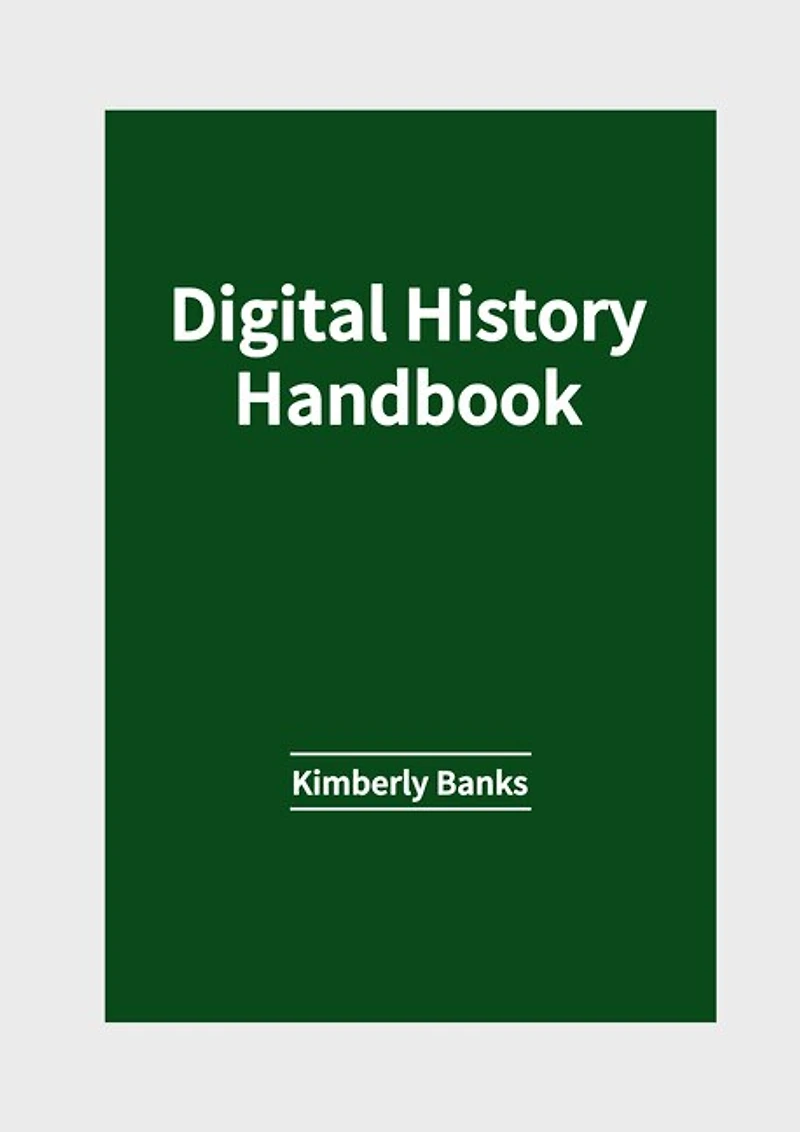
Digital History Handbook
Current price: $236.64

Digital History Handbook
Current price: $236.64
Loading Inventory...
Size: Hardcover
*Product information may vary - to confirm product availability, pricing, shipping and return information please contact Indigo
Digital history is a branch of digital humanities that involves the use of digital media to facilitate historical analysis, presentation, and research. It examines and represents the past with the help of new communication technologies such as computers, the Internet, and software systems. Digital history harnesses essential features of the digital technology such as databases, hypertextualization, and networks, to create and share historical knowledge. Integration of digital history with the traditional historical methods helps to create models and maps of data extracted to create a visualization of the data. It employs different tools to extract and analyze large amounts of data that would not be manageable otherwise. This data can be placed alongside existing historiography to increase combined historical knowledge. In this book, the concept, use and applications of digital history have been described. It is appropriate for historians, researchers and students seeking detailed information in this area of digital humanities.
Digital history is a branch of digital humanities that involves the use of digital media to facilitate historical analysis, presentation, and research. It examines and represents the past with the help of new communication technologies such as computers, the Internet, and software systems. Digital history harnesses essential features of the digital technology such as databases, hypertextualization, and networks, to create and share historical knowledge. Integration of digital history with the traditional historical methods helps to create models and maps of data extracted to create a visualization of the data. It employs different tools to extract and analyze large amounts of data that would not be manageable otherwise. This data can be placed alongside existing historiography to increase combined historical knowledge. In this book, the concept, use and applications of digital history have been described. It is appropriate for historians, researchers and students seeking detailed information in this area of digital humanities.
You May Also Like










More About Indigo at Erin Mills Town Centre
The largest book retailer in Canada also offers toys, music, home décor, gifts and lifestyle products. What's Inside...Books, Magazines, CD’s and DVD’s, Toys and Gifts, Home Accents, Electronics, Baby’s and Children’s Section, Bath and Body, Kitchen and Bedroom, Stationary Located outside in the exterior plaza.
5015 Glen Erin Dr, Mississauga, ON L5M 0R7, Canada
Find Indigo at Erin Mills Town Centre in Mississauga ON
Visit Indigo at Erin Mills Town Centre in Mississauga ON