

GIVE THE PERFECT GIFT
Erin Mills Town Centre Gift Cards are the perfect choice for your gift giving needs.Purchase gift cards at kiosks near the food court or centre court, at Guest Services, or click below to purchase online.PURCHASE HEREHome
Digital Technology, Politics, and Policy-Making
Indigo
Loading Inventory...
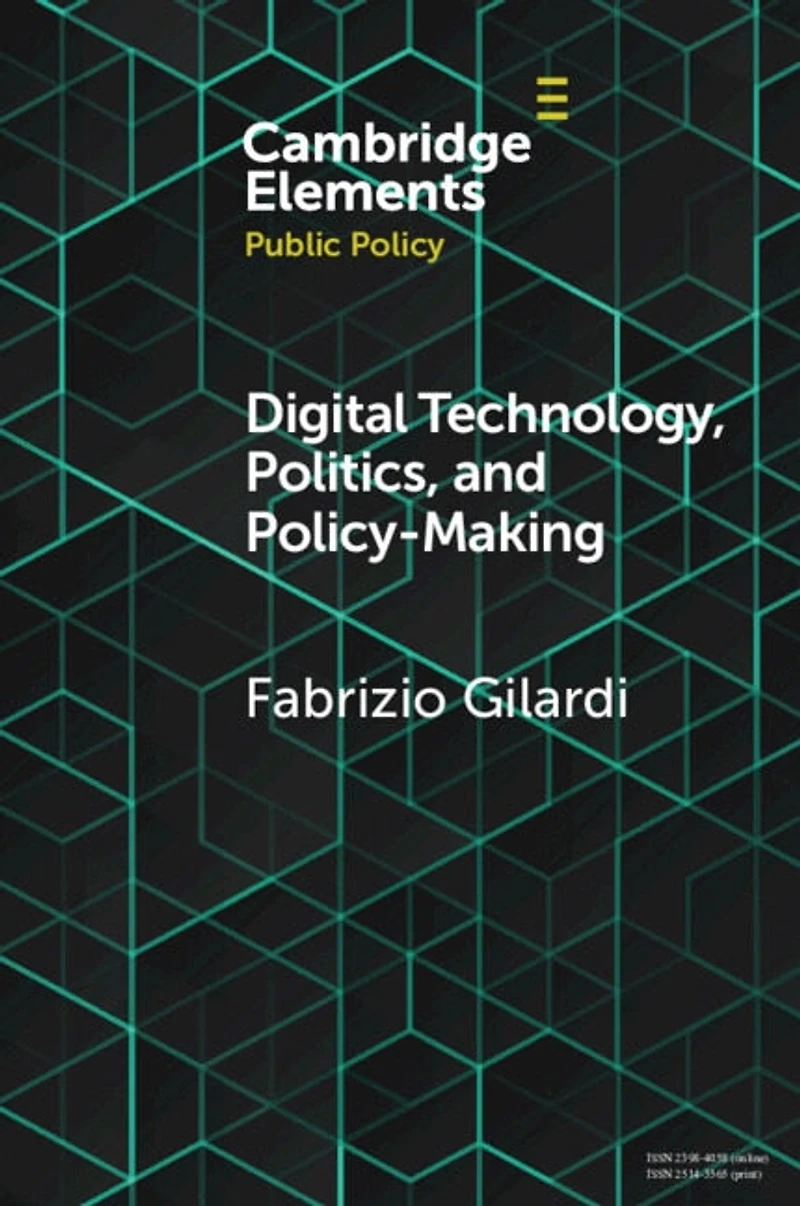
Digital Technology, Politics, and Policy-Making
Current price: $29.54

Digital Technology, Politics, and Policy-Making
Current price: $29.54
Loading Inventory...
Size: Paperback
*Product information may vary - to confirm product availability, pricing, shipping and return information please contact Indigo
This element shows, based on a review of the literature, how digital technology has affected liberal democracies with a focus on three key aspects of democratic politics: political communication, political participation, and policy-making. The impact of digital technology permeates the entire political process, affecting the flow of information among citizen and political actors, the connection between the mass public and political elites, and the development of policy responses to societal problems. This element discusses how digital technology has shaped these different domains, identifies areas of research consensus as well as unresolved questions, and argues that a key perspective involves issue definition, that is, how the nature of the problems raised by digital technology is subject to political contestation.
This element shows, based on a review of the literature, how digital technology has affected liberal democracies with a focus on three key aspects of democratic politics: political communication, political participation, and policy-making. The impact of digital technology permeates the entire political process, affecting the flow of information among citizen and political actors, the connection between the mass public and political elites, and the development of policy responses to societal problems. This element discusses how digital technology has shaped these different domains, identifies areas of research consensus as well as unresolved questions, and argues that a key perspective involves issue definition, that is, how the nature of the problems raised by digital technology is subject to political contestation.
You May Also Like












More About Indigo at Erin Mills Town Centre
The largest book retailer in Canada also offers toys, music, home décor, gifts and lifestyle products. What's Inside...Books, Magazines, CD’s and DVD’s, Toys and Gifts, Home Accents, Electronics, Baby’s and Children’s Section, Bath and Body, Kitchen and Bedroom, Stationary Located outside in the exterior plaza.
5015 Glen Erin Dr, Mississauga, ON L5M 0R7, Canada
Find Indigo at Erin Mills Town Centre in Mississauga ON
Visit Indigo at Erin Mills Town Centre in Mississauga ON