

GIVE THE PERFECT GIFT
Erin Mills Town Centre Gift Cards are the perfect choice for your gift giving needs.Purchase gift cards at kiosks near the food court or centre court, at Guest Services, or click below to purchase online.PURCHASE HEREHome
Discourse, Hegemony, and Populism the Visegrad Four
Indigo
Loading Inventory...
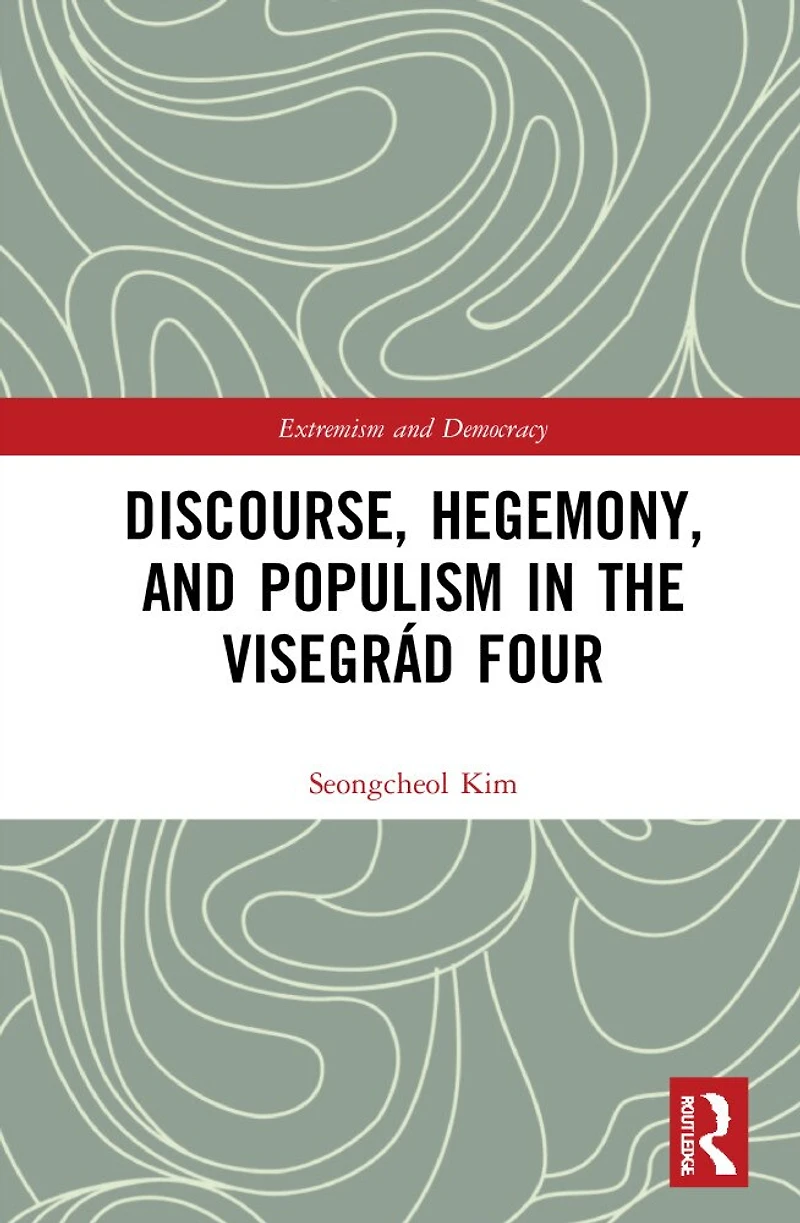
Discourse, Hegemony, and Populism the Visegrad Four
Current price: $296.50

Discourse, Hegemony, and Populism the Visegrad Four
Current price: $296.50
Loading Inventory...
Size: Hardcover
*Product information may vary - to confirm product availability, pricing, shipping and return information please contact Indigo
This is the first book-length account of populism in the Visegrád Four (V4) countries - Czech Republic, Hungary, Poland, and Slovakia - for the first 30 years of multi-party competition since the transformative events of 1989-91 in Central and Eastern Europe. Advancing a post-foundational approach to populism based on a semi-formal reading of Ernesto Laclau's theory, the book undertakes a detailed examination of how the 'people' has been constructed in populist discourses in the party systems of the four countries since 1989. Drawing on a wealth of source material, the book offers both a wide-ranging and in-depth overview and classification of populism in the V4 in terms of discursive (e.g. centrist, conservative, left-wing, liberal, nationalist, social) and hegemonic type (e.g. authoritarian hegemonic, generational counter-hegemonic) alike. This book will be of interest to students and scholars of populism, party politics, and Central and Eastern Europe.
This is the first book-length account of populism in the Visegrád Four (V4) countries - Czech Republic, Hungary, Poland, and Slovakia - for the first 30 years of multi-party competition since the transformative events of 1989-91 in Central and Eastern Europe. Advancing a post-foundational approach to populism based on a semi-formal reading of Ernesto Laclau's theory, the book undertakes a detailed examination of how the 'people' has been constructed in populist discourses in the party systems of the four countries since 1989. Drawing on a wealth of source material, the book offers both a wide-ranging and in-depth overview and classification of populism in the V4 in terms of discursive (e.g. centrist, conservative, left-wing, liberal, nationalist, social) and hegemonic type (e.g. authoritarian hegemonic, generational counter-hegemonic) alike. This book will be of interest to students and scholars of populism, party politics, and Central and Eastern Europe.
You May Also Like








More About Indigo at Erin Mills Town Centre
The largest book retailer in Canada also offers toys, music, home décor, gifts and lifestyle products. What's Inside...Books, Magazines, CD’s and DVD’s, Toys and Gifts, Home Accents, Electronics, Baby’s and Children’s Section, Bath and Body, Kitchen and Bedroom, Stationary Located outside in the exterior plaza.
5015 Glen Erin Dr, Mississauga, ON L5M 0R7, Canada
Find Indigo at Erin Mills Town Centre in Mississauga ON
Visit Indigo at Erin Mills Town Centre in Mississauga ON