

GIVE THE PERFECT GIFT
Erin Mills Town Centre Gift Cards are the perfect choice for your gift giving needs.Purchase gift cards at kiosks near the food court or centre court, at Guest Services, or click below to purchase online.PURCHASE HEREHome
Diseases Have No Eyes: Valley Fever and Environmental Health Justice
Indigo
Loading Inventory...
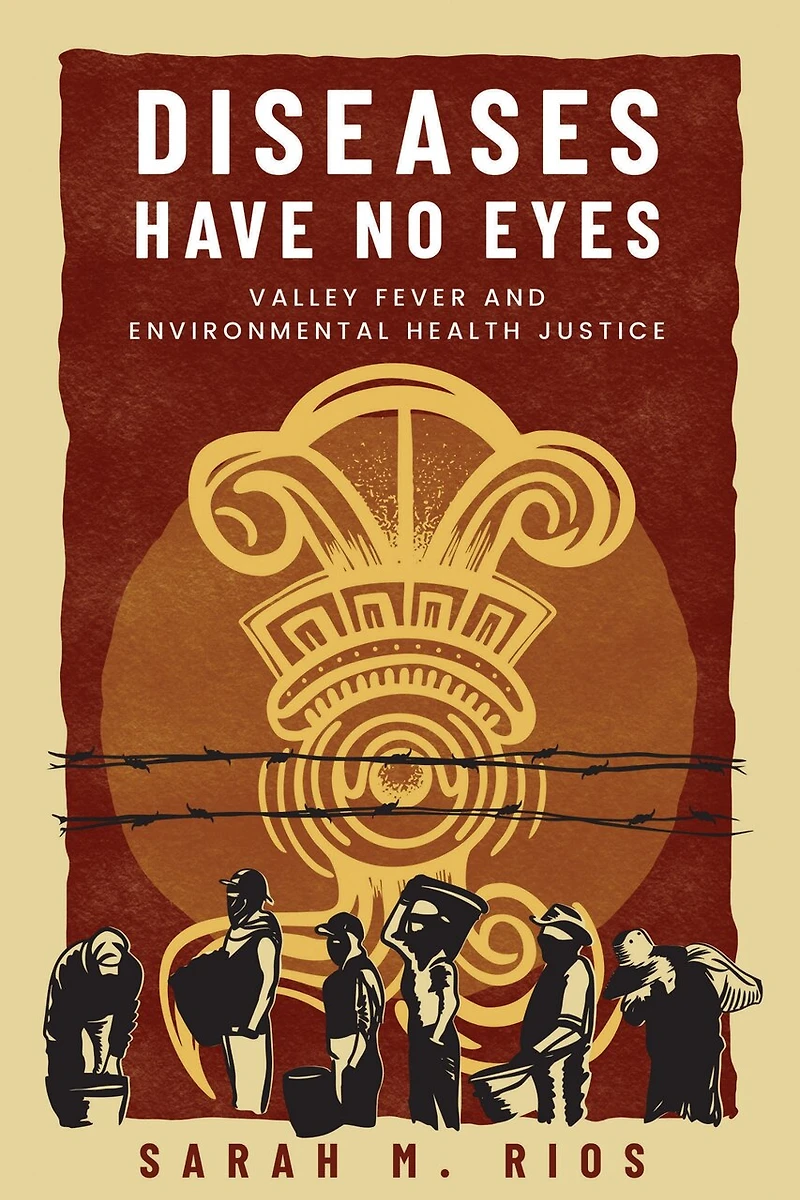
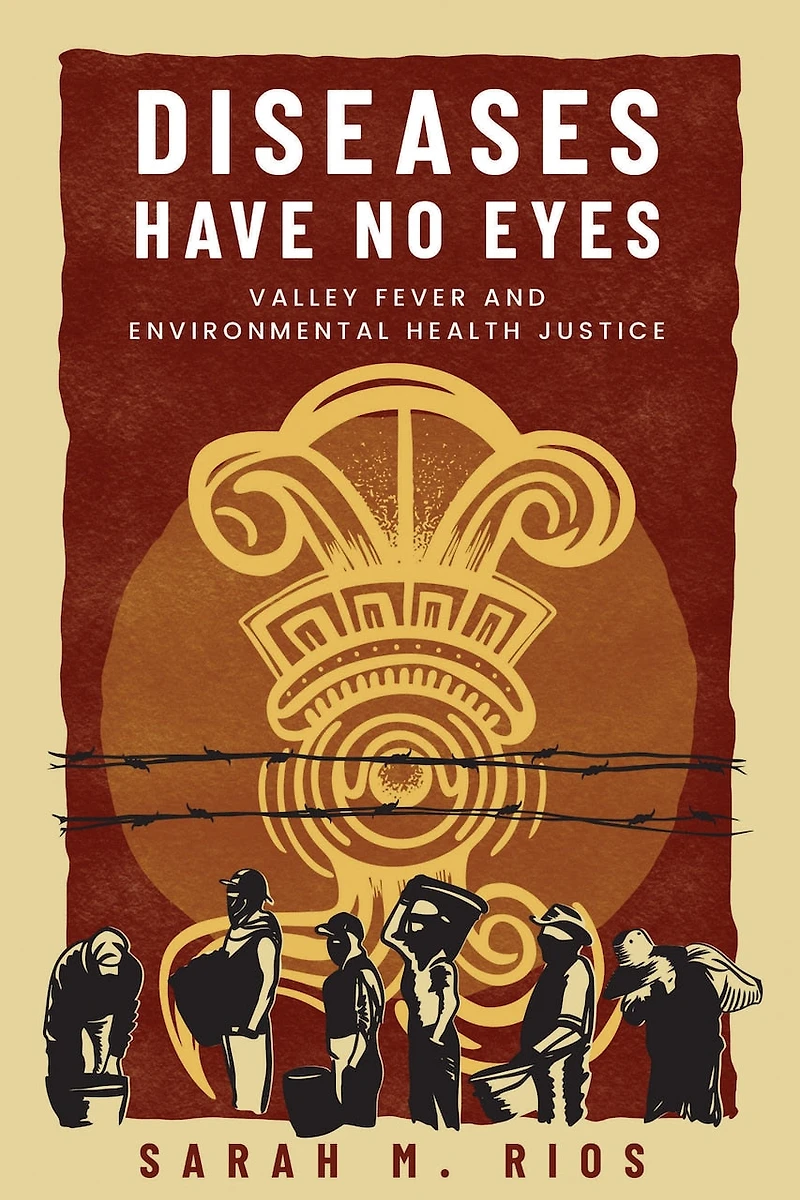
Diseases Have No Eyes: Valley Fever and Environmental Health Justice
Current price: $129.50

Diseases Have No Eyes: Valley Fever and Environmental Health Justice
Current price: $129.50
Loading Inventory...
Size: Hardcover
*Product information may vary - to confirm product availability, pricing, shipping and return information please contact Indigo
Diseases Have No Eyes investigates how communities in Central Valley, California deal with Valley Fever, a painful illness caused by a soil fungus. The airborne disease’s symptoms can last from two months to a patient’s lifetime and may be fatal. Nearly a third of the national cases are reported in California, where those infected are disproportionately farmworkers and people incarcerated in the region. Poverty, pollution, and prison expose these groups to cumulative environmental and health risks that deny Valley Fever patients adequate medical treatment. Sarah M. Rios examines how these populations face racial health disparities and develop strategies of care. She connects environmental justice activists as well as prison advocates and abolitionists who mobilize protests and issue calls to action to the past and ongoing efforts for medical autonomy and healthy communities. Diseases Have No Eyes emphasizes that vulnerable groups have developed an expertise and understanding of Valley Fever out of necessity. In the process, these community members offer an alternative public health response that extends beyond the individual body. In the series Insubordinate Spaces
Diseases Have No Eyes investigates how communities in Central Valley, California deal with Valley Fever, a painful illness caused by a soil fungus. The airborne disease’s symptoms can last from two months to a patient’s lifetime and may be fatal. Nearly a third of the national cases are reported in California, where those infected are disproportionately farmworkers and people incarcerated in the region. Poverty, pollution, and prison expose these groups to cumulative environmental and health risks that deny Valley Fever patients adequate medical treatment. Sarah M. Rios examines how these populations face racial health disparities and develop strategies of care. She connects environmental justice activists as well as prison advocates and abolitionists who mobilize protests and issue calls to action to the past and ongoing efforts for medical autonomy and healthy communities. Diseases Have No Eyes emphasizes that vulnerable groups have developed an expertise and understanding of Valley Fever out of necessity. In the process, these community members offer an alternative public health response that extends beyond the individual body. In the series Insubordinate Spaces
You May Also Like









More About Indigo at Erin Mills Town Centre
The largest book retailer in Canada also offers toys, music, home décor, gifts and lifestyle products. What's Inside...Books, Magazines, CD’s and DVD’s, Toys and Gifts, Home Accents, Electronics, Baby’s and Children’s Section, Bath and Body, Kitchen and Bedroom, Stationary Located outside in the exterior plaza.
5015 Glen Erin Dr, Mississauga, ON L5M 0R7, Canada
Find Indigo at Erin Mills Town Centre in Mississauga ON
Visit Indigo at Erin Mills Town Centre in Mississauga ON