

GIVE THE PERFECT GIFT
Erin Mills Town Centre Gift Cards are the perfect choice for your gift giving needs.Purchase gift cards at kiosks near the food court or centre court, at Guest Services, or click below to purchase online.PURCHASE HEREHome
Disparate Regimes: Nativist Politics, Alienage Law, and Citizenship Rights the United States, 1865 to 1965
Indigo
Loading Inventory...
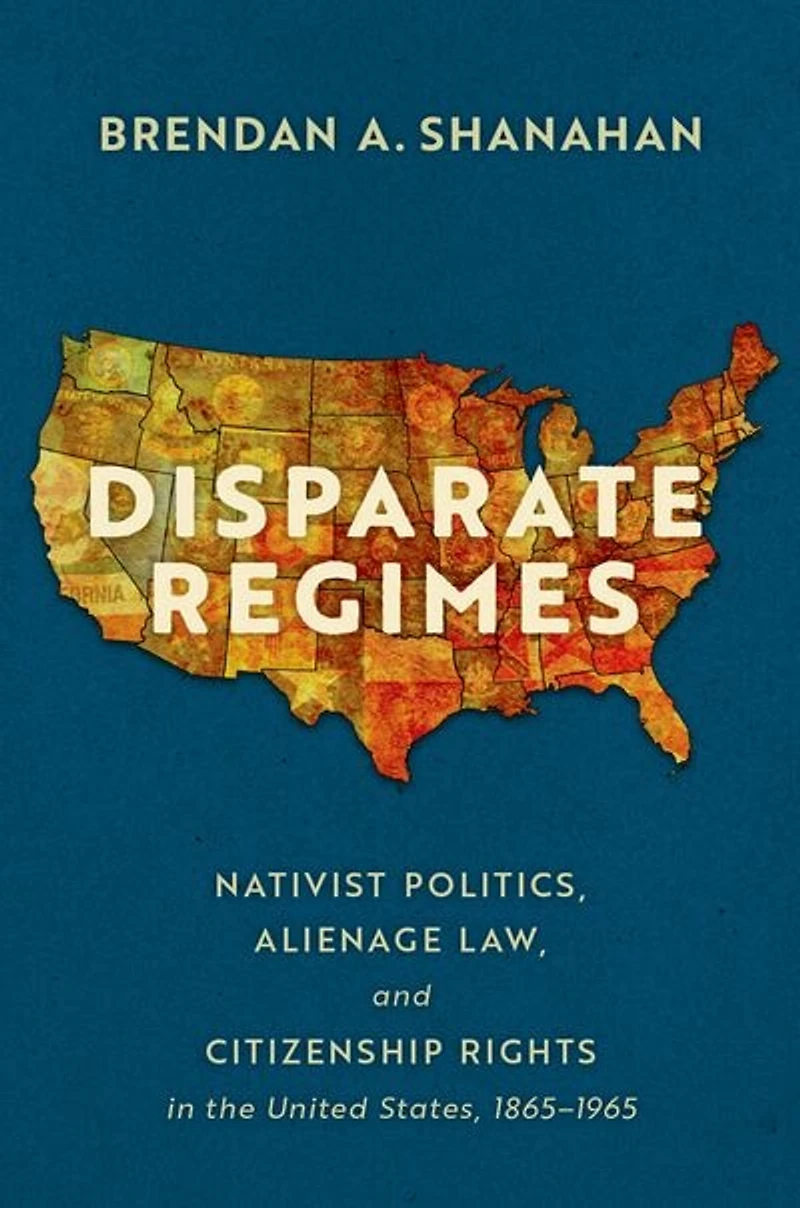
Disparate Regimes: Nativist Politics, Alienage Law, and Citizenship Rights the United States, 1865 to 1965
Current price: $81.50

Disparate Regimes: Nativist Politics, Alienage Law, and Citizenship Rights the United States, 1865 to 1965
Current price: $81.50
Loading Inventory...
Size: Hardcover
*Product information may vary - to confirm product availability, pricing, shipping and return information please contact Indigo
Historians have well described how US immigration policy increasingly fell under the purview of federal law and national politics in the mid-to-late nineteenth century. It is far less understood that the rights of noncitizen immigrants in the country remained primarily contested in the realms of state politics and law until the mid-to-late twentieth century. Such state-level political debates often centered on whether noncitizen immigrants should vote, count as part of the polity for the purposes of state legislative representation, work in public and publicly funded employment, or obtain professional licensure. Enacted state alienage laws were rarely self-executing, and immigrants and their allies regularly challenged nativist restrictions in court, on the job, by appealing to lawmakers and the public, and even via diplomacy. Battles over the passage, implementation, and constitutionality of such policies at times aligned with and sometimes clashed against contemporaneous efforts to expand rights to marginalized Americans, particularly US-born women. Often considered separately or treated as topics of marginal importance, Disparate Regimes underscores the centrality of nativist state politics and alienage policies to the history of American immigration and citizenship from the late nineteenth to the mid-twentieth centuries. It argues that the proliferation of these debates and laws produced veritable disparate regimes of citizenship rights in the American political economy on a state-by-state basis. It further illustrates how nativist state politics and alienage policies helped to invent and concretize the idea that citizenship rights meant citizen-only rights in law, practice, and popular perception in the United States.
Historians have well described how US immigration policy increasingly fell under the purview of federal law and national politics in the mid-to-late nineteenth century. It is far less understood that the rights of noncitizen immigrants in the country remained primarily contested in the realms of state politics and law until the mid-to-late twentieth century. Such state-level political debates often centered on whether noncitizen immigrants should vote, count as part of the polity for the purposes of state legislative representation, work in public and publicly funded employment, or obtain professional licensure. Enacted state alienage laws were rarely self-executing, and immigrants and their allies regularly challenged nativist restrictions in court, on the job, by appealing to lawmakers and the public, and even via diplomacy. Battles over the passage, implementation, and constitutionality of such policies at times aligned with and sometimes clashed against contemporaneous efforts to expand rights to marginalized Americans, particularly US-born women. Often considered separately or treated as topics of marginal importance, Disparate Regimes underscores the centrality of nativist state politics and alienage policies to the history of American immigration and citizenship from the late nineteenth to the mid-twentieth centuries. It argues that the proliferation of these debates and laws produced veritable disparate regimes of citizenship rights in the American political economy on a state-by-state basis. It further illustrates how nativist state politics and alienage policies helped to invent and concretize the idea that citizenship rights meant citizen-only rights in law, practice, and popular perception in the United States.
You May Also Like








More About Indigo at Erin Mills Town Centre
The largest book retailer in Canada also offers toys, music, home décor, gifts and lifestyle products. What's Inside...Books, Magazines, CD’s and DVD’s, Toys and Gifts, Home Accents, Electronics, Baby’s and Children’s Section, Bath and Body, Kitchen and Bedroom, Stationary Located outside in the exterior plaza.
5015 Glen Erin Dr, Mississauga, ON L5M 0R7, Canada
Find Indigo at Erin Mills Town Centre in Mississauga ON
Visit Indigo at Erin Mills Town Centre in Mississauga ON