

GIVE THE PERFECT GIFT
Erin Mills Town Centre Gift Cards are the perfect choice for your gift giving needs.Purchase gift cards at kiosks near the food court or centre court, at Guest Services, or click below to purchase online.PURCHASE HEREHome
Distance And Proximity: Fashioning An Arab Anthropology
Indigo
Loading Inventory...
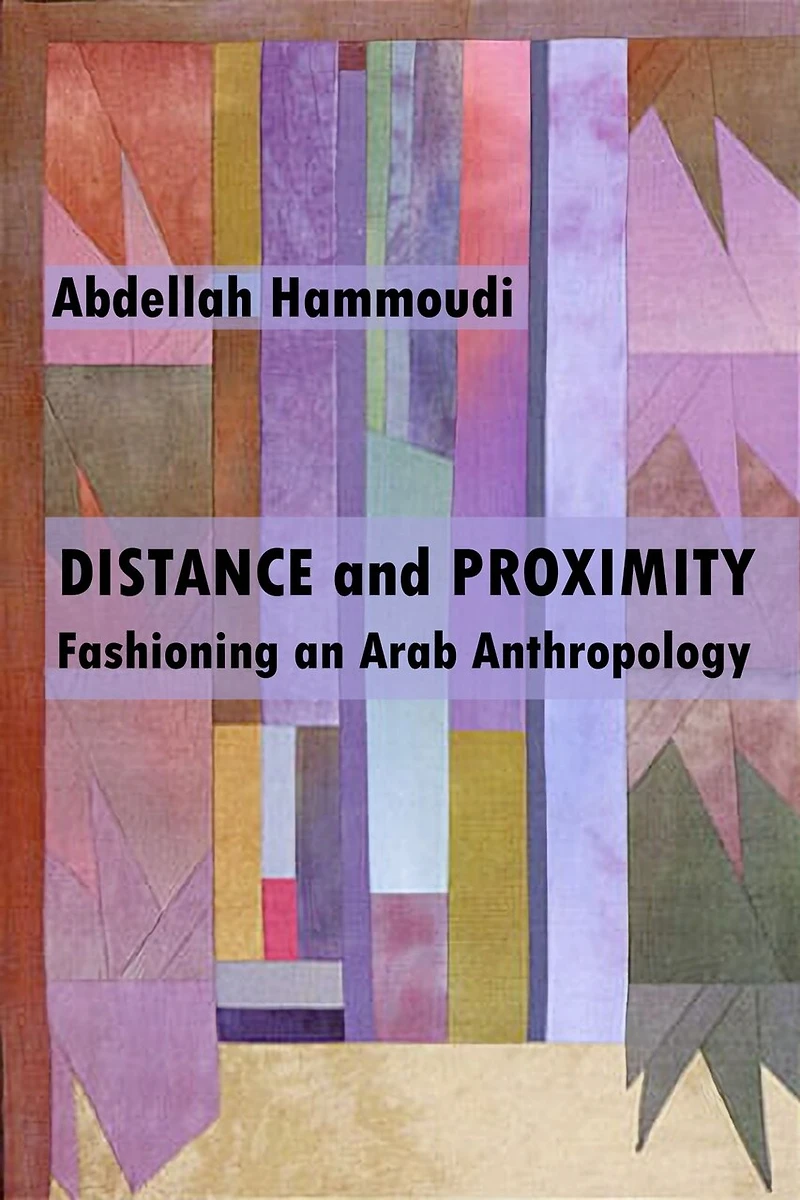
Distance And Proximity: Fashioning An Arab Anthropology
Current price: $39.00

Distance And Proximity: Fashioning An Arab Anthropology
Current price: $39.00
Loading Inventory...
Size: Paperback
*Product information may vary - to confirm product availability, pricing, shipping and return information please contact Indigo
The field of Arab studies was dismembered during the colonial period, with ethnography working in the vernacular and the written tradition assigned to Orientalism. The so-called “critical turn,” inspired by Orientalism and other deconstruction approaches, left this traditional division of labor intact, which Abdellah Hammoudi seeks to reverse. In Distance and Proximity , Hammoudi reflects on his fieldwork in Moroccan, Maghrebi, and Arab settings to delineate a decolonized anthropological approach capable of bringing these disciplines together through the practice of a “double critique.” This critique insists on taking into account the concerns of peoples on the ground and, at the same time, reappropriates anthropological knowledge to construct an authentically Arab tradition of anthropology in critical dialogue with European and American traditions.
The field of Arab studies was dismembered during the colonial period, with ethnography working in the vernacular and the written tradition assigned to Orientalism. The so-called “critical turn,” inspired by Orientalism and other deconstruction approaches, left this traditional division of labor intact, which Abdellah Hammoudi seeks to reverse. In Distance and Proximity , Hammoudi reflects on his fieldwork in Moroccan, Maghrebi, and Arab settings to delineate a decolonized anthropological approach capable of bringing these disciplines together through the practice of a “double critique.” This critique insists on taking into account the concerns of peoples on the ground and, at the same time, reappropriates anthropological knowledge to construct an authentically Arab tradition of anthropology in critical dialogue with European and American traditions.
You May Also Like














More About Indigo at Erin Mills Town Centre
The largest book retailer in Canada also offers toys, music, home décor, gifts and lifestyle products. What's Inside...Books, Magazines, CD’s and DVD’s, Toys and Gifts, Home Accents, Electronics, Baby’s and Children’s Section, Bath and Body, Kitchen and Bedroom, Stationary Located outside in the exterior plaza.
5015 Glen Erin Dr, Mississauga, ON L5M 0R7, Canada
Find Indigo at Erin Mills Town Centre in Mississauga ON
Visit Indigo at Erin Mills Town Centre in Mississauga ON