

GIVE THE PERFECT GIFT
Erin Mills Town Centre Gift Cards are the perfect choice for your gift giving needs.Purchase gift cards at kiosks near the food court or centre court, at Guest Services, or click below to purchase online.PURCHASE HEREHome
Disturbing the Peace: Black Culture and the Police Power after Slavery
Indigo
Loading Inventory...
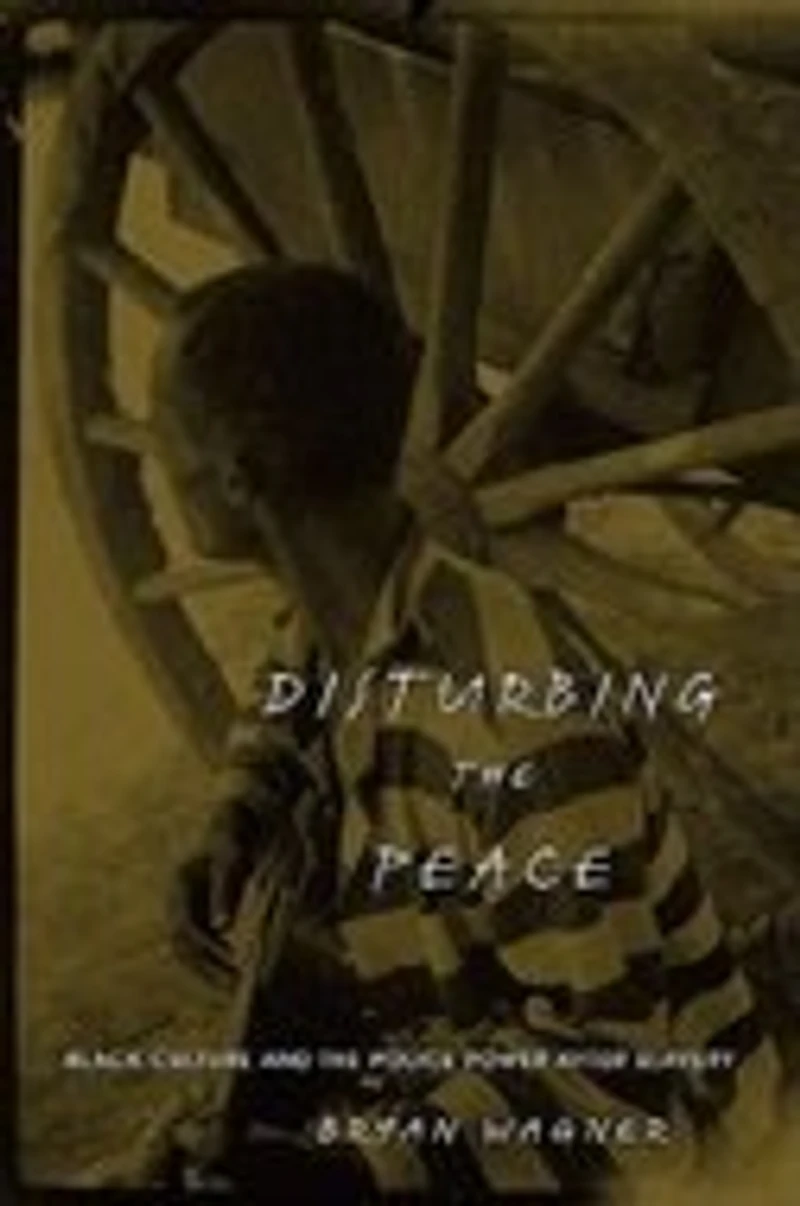
Disturbing the Peace: Black Culture and the Police Power after Slavery
Current price: $71.00

Disturbing the Peace: Black Culture and the Police Power after Slavery
Current price: $71.00
Loading Inventory...
Size: Hardcover
*Product information may vary - to confirm product availability, pricing, shipping and return information please contact Indigo
W. C. Handy waking up to the blues on a train platform, Buddy Bolden eavesdropping on the drums at Congo Square, John Lomax taking his phonograph recorder into a southern penitentiary—some foundational myths of the black vernacular remain inescapable, even as they come under increasing pressure from skeptics.
In Disturbing the Peace , Bryan Wagner revises the history of the black vernacular tradition and gives a new account of black culture by reading these myths in the context of the tradition’s ongoing engagement with the law. Returning to some familiar examples (trickster tales, outlaw legends, blues lyrics) central to previous studies of the black vernacular expression, Wagner uses an analytic framework he has developed from the historical language of the law to give new and surprising analyses.
Wagner’s work draws both on his deep understanding of history and on a wealth of primary sources that range from novels to cartoons to popular ballads and early blues songs to newspapers and court reports. Through his innovative engagement with them, Wagner gives us a new and deeper understanding of black cultural expression, revealing its basis in the relational workings of African Americans in the social world.
W. C. Handy waking up to the blues on a train platform, Buddy Bolden eavesdropping on the drums at Congo Square, John Lomax taking his phonograph recorder into a southern penitentiary—some foundational myths of the black vernacular remain inescapable, even as they come under increasing pressure from skeptics.
In Disturbing the Peace , Bryan Wagner revises the history of the black vernacular tradition and gives a new account of black culture by reading these myths in the context of the tradition’s ongoing engagement with the law. Returning to some familiar examples (trickster tales, outlaw legends, blues lyrics) central to previous studies of the black vernacular expression, Wagner uses an analytic framework he has developed from the historical language of the law to give new and surprising analyses.
Wagner’s work draws both on his deep understanding of history and on a wealth of primary sources that range from novels to cartoons to popular ballads and early blues songs to newspapers and court reports. Through his innovative engagement with them, Wagner gives us a new and deeper understanding of black cultural expression, revealing its basis in the relational workings of African Americans in the social world.
You May Also Like










More About Indigo at Erin Mills Town Centre
The largest book retailer in Canada also offers toys, music, home décor, gifts and lifestyle products. What's Inside...Books, Magazines, CD’s and DVD’s, Toys and Gifts, Home Accents, Electronics, Baby’s and Children’s Section, Bath and Body, Kitchen and Bedroom, Stationary Located outside in the exterior plaza.
5015 Glen Erin Dr, Mississauga, ON L5M 0R7, Canada
Find Indigo at Erin Mills Town Centre in Mississauga ON
Visit Indigo at Erin Mills Town Centre in Mississauga ON