

GIVE THE PERFECT GIFT
Erin Mills Town Centre Gift Cards are the perfect choice for your gift giving needs.Purchase gift cards at kiosks near the food court or centre court, at Guest Services, or click below to purchase online.PURCHASE HEREHome
Divine Presence: An Introduction to Christian Theology
Indigo
Loading Inventory...
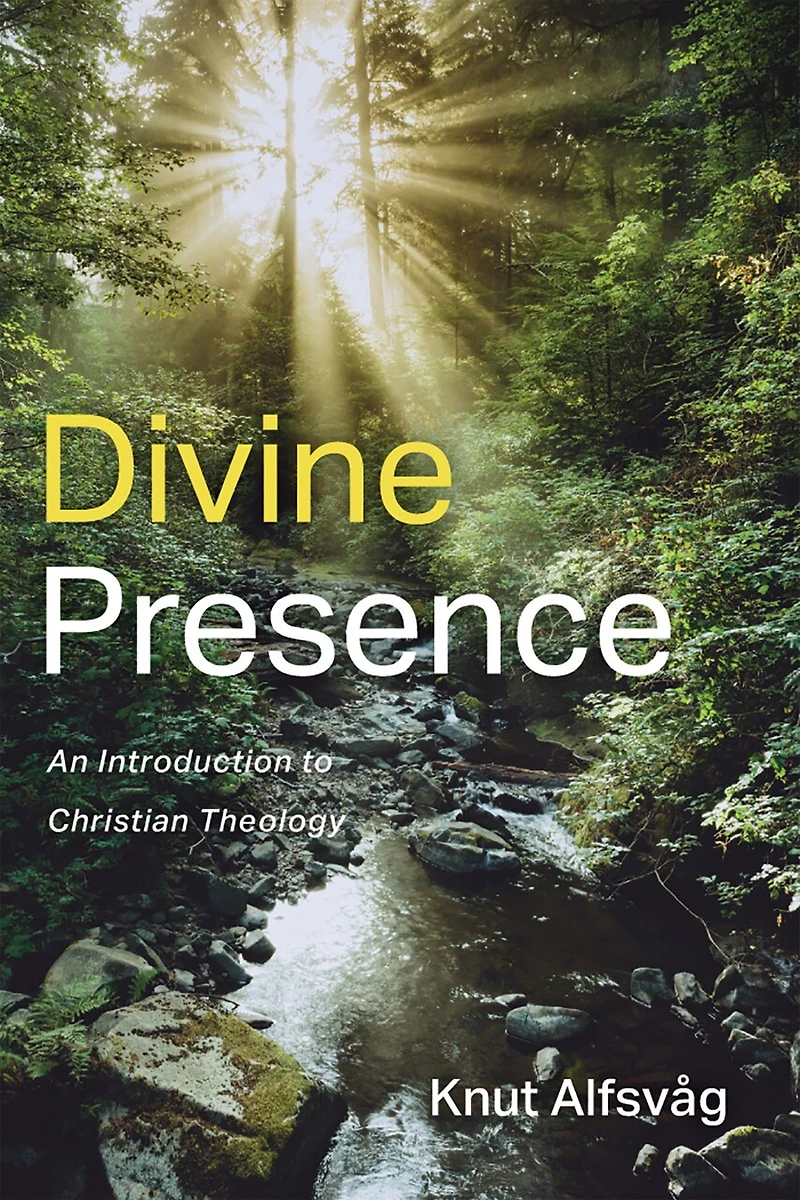
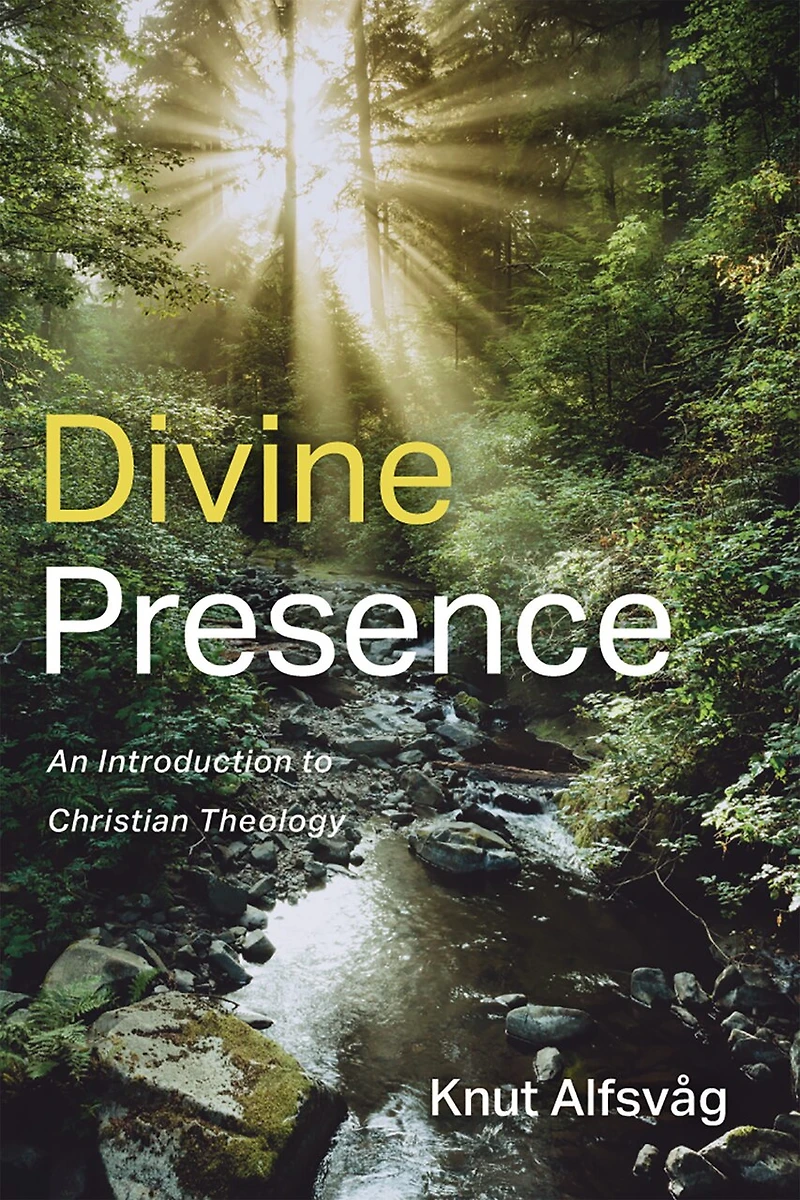
Divine Presence: An Introduction to Christian Theology
Current price: $49.00

Divine Presence: An Introduction to Christian Theology
Current price: $49.00
Loading Inventory...
Size: Hardcover
*Product information may vary - to confirm product availability, pricing, shipping and return information please contact Indigo
Theology should be at home both in the academy and in the church. This book takes such dual affiliation seriously and lets the two different contexts illuminate each other. It explores how we should understand theology within the context of the current debate on theory of science and discusses the methodological implications of belief in God as Creator and in the incarnation. The first part of the book concludes by examining the consequences of theology's dual affiliation for the self-understanding of believers in general and theologians in particular. The second part deals with four different sources of theological knowledge and their relation to each other: the Bible, the history of the church, experience, and reason. Among the central issues are the status of the Bible in contemporary theology, the unity of the church, and the relationship between theology and the natural sciences. The central question is: where do we experience divine presence?
Theology should be at home both in the academy and in the church. This book takes such dual affiliation seriously and lets the two different contexts illuminate each other. It explores how we should understand theology within the context of the current debate on theory of science and discusses the methodological implications of belief in God as Creator and in the incarnation. The first part of the book concludes by examining the consequences of theology's dual affiliation for the self-understanding of believers in general and theologians in particular. The second part deals with four different sources of theological knowledge and their relation to each other: the Bible, the history of the church, experience, and reason. Among the central issues are the status of the Bible in contemporary theology, the unity of the church, and the relationship between theology and the natural sciences. The central question is: where do we experience divine presence?
You May Also Like










More About Indigo at Erin Mills Town Centre
The largest book retailer in Canada also offers toys, music, home décor, gifts and lifestyle products. What's Inside...Books, Magazines, CD’s and DVD’s, Toys and Gifts, Home Accents, Electronics, Baby’s and Children’s Section, Bath and Body, Kitchen and Bedroom, Stationary Located outside in the exterior plaza.
5015 Glen Erin Dr, Mississauga, ON L5M 0R7, Canada
Find Indigo at Erin Mills Town Centre in Mississauga ON
Visit Indigo at Erin Mills Town Centre in Mississauga ON