

GIVE THE PERFECT GIFT
Erin Mills Town Centre Gift Cards are the perfect choice for your gift giving needs.Purchase gift cards at kiosks near the food court or centre court, at Guest Services, or click below to purchase online.PURCHASE HEREHome
DNA Methods Food Safety: Molecular Typing of Foodborne and Waterborne Bacterial Pathogens
Indigo
Loading Inventory...
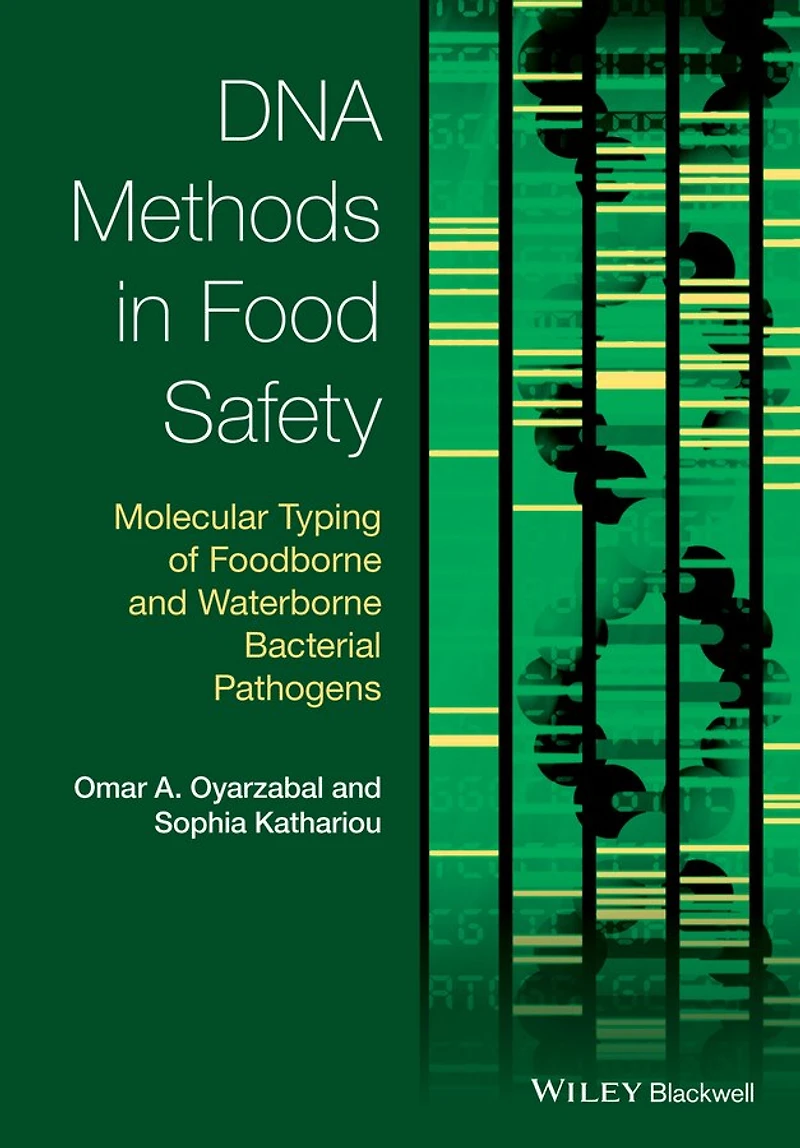
DNA Methods Food Safety: Molecular Typing of Foodborne and Waterborne Bacterial Pathogens
Current price: $252.95

DNA Methods Food Safety: Molecular Typing of Foodborne and Waterborne Bacterial Pathogens
Current price: $252.95
Loading Inventory...
Size: Hardcover
*Product information may vary - to confirm product availability, pricing, shipping and return information please contact Indigo
Molecular typing of foodborne pathogens has become an indispensable tool in epidemiological studies. Thanks to these techniques, we now have a better understanding of the distribution and appearance of bacterial foodborne diseases and have a deeper knowledge of the type of food products associated with the major foodborne pathogens. Within the molecular techniques, DNA-based techniques have prospered for more than 40 years and have been incorporated in the first surveillance systems to monitor bacterial foodborne pathogens in the United States and other countries. However, DNA techniques vary widely and many microbiology laboratory personnel working with food and/or water face the dilemma of which method to incorporate. DNA Methods in Food Safety: Molecular Typing of Foodborne and Waterborne Bacterial Pathogens succinctly reviews more than 25 years of data on a variety of DNA typing techniques, summarizing the different mathematical models for analysis and interpretation of results, and detailing their efficacy in typing different foodborne and waterborne bacterial pathogens, such as Campylobacter, Clostridium perfringens, Listeria, Salmonella, among others. Section I describes the different DNA techniques used in the typing of bacterial foodborne pathogens, whilst Section II deals with the application of these techniques to type the most important bacterial foodborne pathogens. In Section II the emphasis is placed on the pathogen, and each chapter describes some of the most appropriate techniques for typing each bacterial pathogen. The techniques presented in this book are the most significant in the study of the molecular epidemiology of bacterial foodborne pathogens to date. It therefore provides a unique reference for students and professionals in the field of microbiology, food and water safety and epidemiology and molecular epidemiology.
Molecular typing of foodborne pathogens has become an indispensable tool in epidemiological studies. Thanks to these techniques, we now have a better understanding of the distribution and appearance of bacterial foodborne diseases and have a deeper knowledge of the type of food products associated with the major foodborne pathogens. Within the molecular techniques, DNA-based techniques have prospered for more than 40 years and have been incorporated in the first surveillance systems to monitor bacterial foodborne pathogens in the United States and other countries. However, DNA techniques vary widely and many microbiology laboratory personnel working with food and/or water face the dilemma of which method to incorporate. DNA Methods in Food Safety: Molecular Typing of Foodborne and Waterborne Bacterial Pathogens succinctly reviews more than 25 years of data on a variety of DNA typing techniques, summarizing the different mathematical models for analysis and interpretation of results, and detailing their efficacy in typing different foodborne and waterborne bacterial pathogens, such as Campylobacter, Clostridium perfringens, Listeria, Salmonella, among others. Section I describes the different DNA techniques used in the typing of bacterial foodborne pathogens, whilst Section II deals with the application of these techniques to type the most important bacterial foodborne pathogens. In Section II the emphasis is placed on the pathogen, and each chapter describes some of the most appropriate techniques for typing each bacterial pathogen. The techniques presented in this book are the most significant in the study of the molecular epidemiology of bacterial foodborne pathogens to date. It therefore provides a unique reference for students and professionals in the field of microbiology, food and water safety and epidemiology and molecular epidemiology.
You May Also Like








More About Indigo at Erin Mills Town Centre
The largest book retailer in Canada also offers toys, music, home décor, gifts and lifestyle products. What's Inside...Books, Magazines, CD’s and DVD’s, Toys and Gifts, Home Accents, Electronics, Baby’s and Children’s Section, Bath and Body, Kitchen and Bedroom, Stationary Located outside in the exterior plaza.
5015 Glen Erin Dr, Mississauga, ON L5M 0R7, Canada
Find Indigo at Erin Mills Town Centre in Mississauga ON
Visit Indigo at Erin Mills Town Centre in Mississauga ON