

GIVE THE PERFECT GIFT
Erin Mills Town Centre Gift Cards are the perfect choice for your gift giving needs.Purchase gift cards at kiosks near the food court or centre court, at Guest Services, or click below to purchase online.PURCHASE HEREHome
Dod Involvement In The Counterdrug Effort: Contributions And Limitations
Indigo
Loading Inventory...
Dod Involvement In The Counterdrug Effort: Contributions And Limitations
Current price: $18.92

Dod Involvement In The Counterdrug Effort: Contributions And Limitations
Current price: $18.92
Loading Inventory...
Size: Paperback
*Product information may vary - to confirm product availability, pricing, shipping and return information please contact Indigo
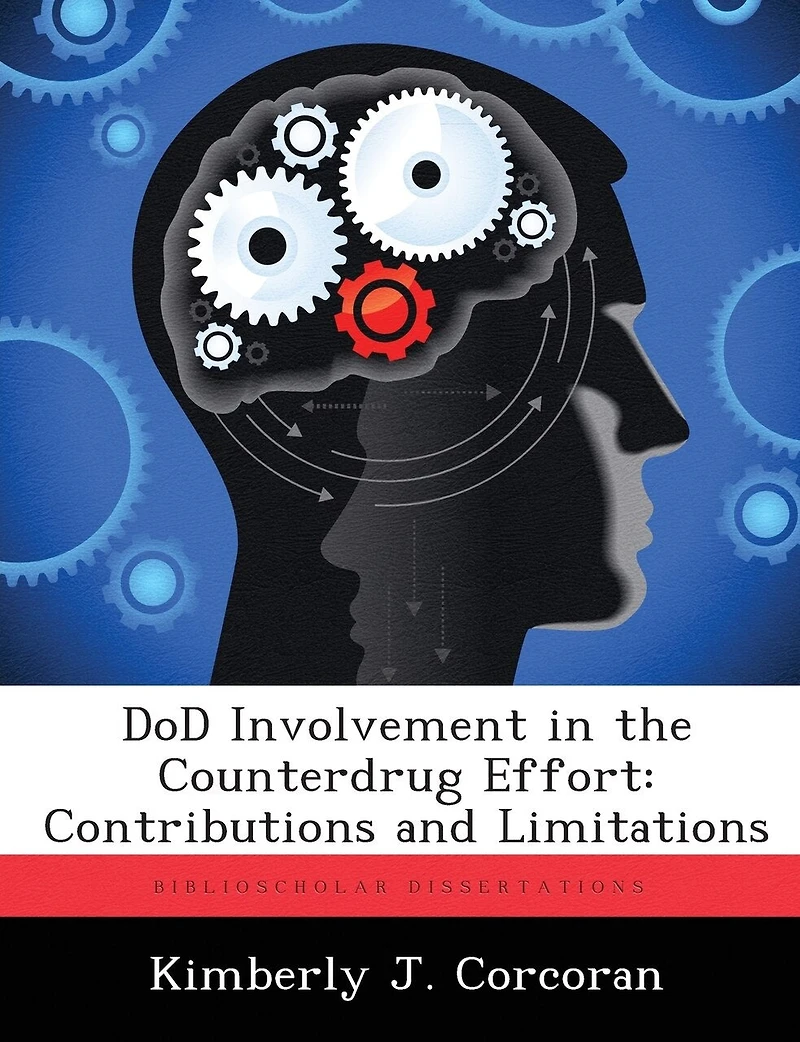
One of the major social issues facing the United States is the flow of illegal narcotics into our country. The costs of this illegal activity are significant. Costs can be measured in the lost health and productivity of individual users, as well as the costs required to fight the criminal activity perpetrated both by individual users and the large criminal organizations attracted by the profitability of the drug trade. These costs caused the U.S. Government to declare a "War on Drugs" in 1989 and to greatly increase the budget allocated to the interdiction of the drug supply. Since the DOD possessed numerous assets that were perfectly suited to interdiction operations, the DOD became heavily involved in the War on Drugs. This involvement was extensive from 1989 to 1993 and was instrumental in the successful capture of tons of illegal drugs. In 1993, the Clinton administration decided to shift the emphasis away from interdiction to other areas, and decreased the interdiction portion of the budget for FY94. This decrease has continued to the present and, according to some observers, has reduced the success of the DOD interdiction effort. This paper briefly examines the extent of the overall drug problem in the United States, describes the DOD's contribution to America's drug control strategy and its challenges to success, and finally addresses why that effort, though useful, does not need to be increased to previous levels.
One of the major social issues facing the United States is the flow of illegal narcotics into our country. The costs of this illegal activity are significant. Costs can be measured in the lost health and productivity of individual users, as well as the costs required to fight the criminal activity perpetrated both by individual users and the large criminal organizations attracted by the profitability of the drug trade. These costs caused the U.S. Government to declare a "War on Drugs" in 1989 and to greatly increase the budget allocated to the interdiction of the drug supply. Since the DOD possessed numerous assets that were perfectly suited to interdiction operations, the DOD became heavily involved in the War on Drugs. This involvement was extensive from 1989 to 1993 and was instrumental in the successful capture of tons of illegal drugs. In 1993, the Clinton administration decided to shift the emphasis away from interdiction to other areas, and decreased the interdiction portion of the budget for FY94. This decrease has continued to the present and, according to some observers, has reduced the success of the DOD interdiction effort. This paper briefly examines the extent of the overall drug problem in the United States, describes the DOD's contribution to America's drug control strategy and its challenges to success, and finally addresses why that effort, though useful, does not need to be increased to previous levels.
You May Also Like










More About Indigo at Erin Mills Town Centre
The largest book retailer in Canada also offers toys, music, home décor, gifts and lifestyle products. What's Inside...Books, Magazines, CD’s and DVD’s, Toys and Gifts, Home Accents, Electronics, Baby’s and Children’s Section, Bath and Body, Kitchen and Bedroom, Stationary Located outside in the exterior plaza.
5015 Glen Erin Dr, Mississauga, ON L5M 0R7, Canada
Find Indigo at Erin Mills Town Centre in Mississauga ON
Visit Indigo at Erin Mills Town Centre in Mississauga ON