

GIVE THE PERFECT GIFT
Erin Mills Town Centre Gift Cards are the perfect choice for your gift giving needs.Purchase gift cards at kiosks near the food court or centre court, at Guest Services, or click below to purchase online.PURCHASE HEREHome
Doorknob Bombshells Therapy: the Deadline, Brain, and Why It Is Important to End on Time
Indigo
Loading Inventory...
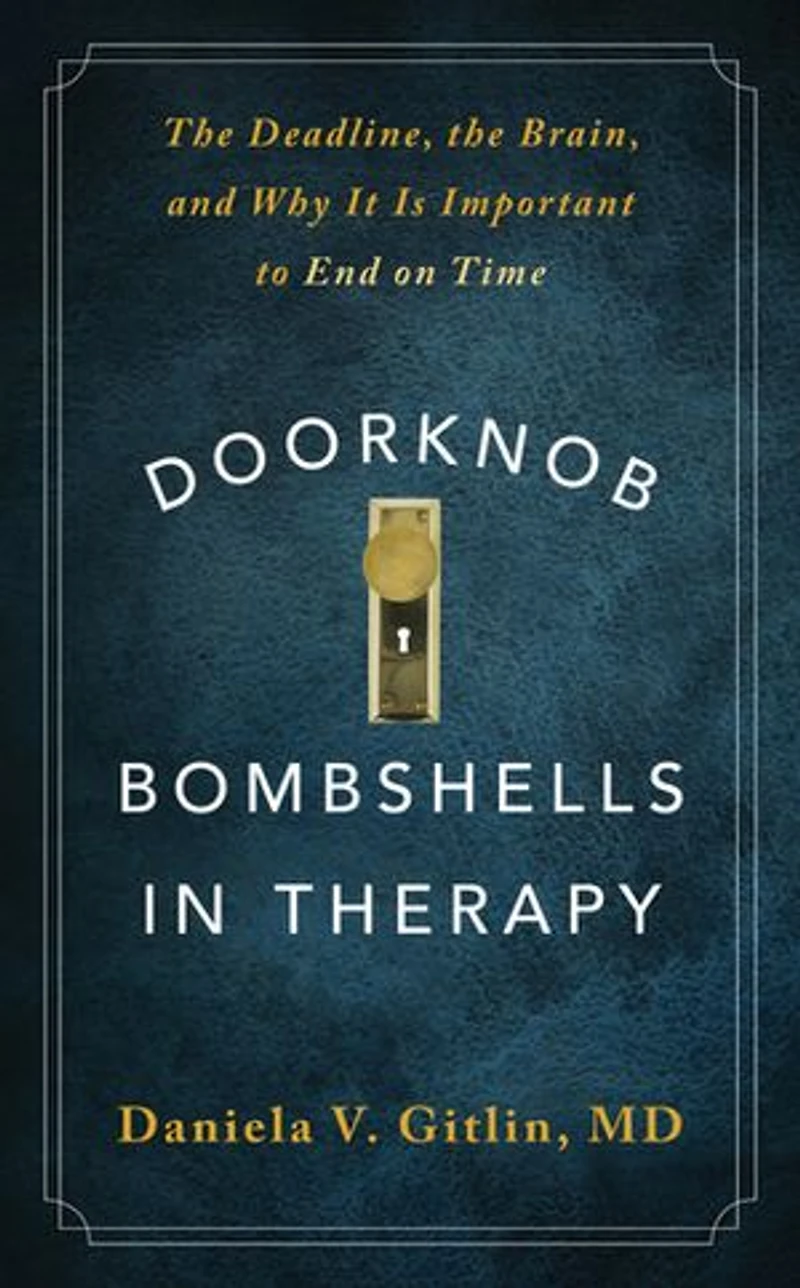
Doorknob Bombshells Therapy: the Deadline, Brain, and Why It Is Important to End on Time
Current price: $19.79
Original price: $24.69

Doorknob Bombshells Therapy: the Deadline, Brain, and Why It Is Important to End on Time
Current price: $19.79
Original price: $24.69
Loading Inventory...
Size: Kobo eBook
*Product information may vary - to confirm product availability, pricing, shipping and return information please contact Indigo
What should a therapist do when a patient reveals critical information at the end of a session?
It’s a near-universal experience among mental health practitioners: a patient drops a bombshell—a critical disclosure that moves the treatment forward—on their way out, with a hand on the doorknob. This “doorknob moment” creates a stressful dilemma for clinicians, especially when the patient is distraught. Should the clinician end the session on time, or run over and be late for the next patient?
Here, seasoned psychiatrist Daniela V. Gitlin provides clinicians with a clear, evidence-based answer. By conceptualizing the functional differences between patient and therapist in the treatment relationship as a metaphor for the functional differences between right and left cerebral hemispheres, Gitlin’s argument yields a comprehensive explanation for why doorknob moments occur, why they are necessary to prevent treatment stagnation, and why ending on time makes patients feel safer to deliver them.
What should a therapist do when a patient reveals critical information at the end of a session?
It’s a near-universal experience among mental health practitioners: a patient drops a bombshell—a critical disclosure that moves the treatment forward—on their way out, with a hand on the doorknob. This “doorknob moment” creates a stressful dilemma for clinicians, especially when the patient is distraught. Should the clinician end the session on time, or run over and be late for the next patient?
Here, seasoned psychiatrist Daniela V. Gitlin provides clinicians with a clear, evidence-based answer. By conceptualizing the functional differences between patient and therapist in the treatment relationship as a metaphor for the functional differences between right and left cerebral hemispheres, Gitlin’s argument yields a comprehensive explanation for why doorknob moments occur, why they are necessary to prevent treatment stagnation, and why ending on time makes patients feel safer to deliver them.
You May Also Like

















More About Indigo at Erin Mills Town Centre
The largest book retailer in Canada also offers toys, music, home décor, gifts and lifestyle products. What's Inside...Books, Magazines, CD’s and DVD’s, Toys and Gifts, Home Accents, Electronics, Baby’s and Children’s Section, Bath and Body, Kitchen and Bedroom, Stationary Located outside in the exterior plaza.
5015 Glen Erin Dr, Mississauga, ON L5M 0R7, Canada
Find Indigo at Erin Mills Town Centre in Mississauga ON
Visit Indigo at Erin Mills Town Centre in Mississauga ON