

GIVE THE PERFECT GIFT
Erin Mills Town Centre Gift Cards are the perfect choice for your gift giving needs.Purchase gift cards at kiosks near the food court or centre court, at Guest Services, or click below to purchase online.PURCHASE HEREHome
Dopamine Detox: The Neuro science of overcoming addiction and balancing indulgence age
Indigo
Loading Inventory...
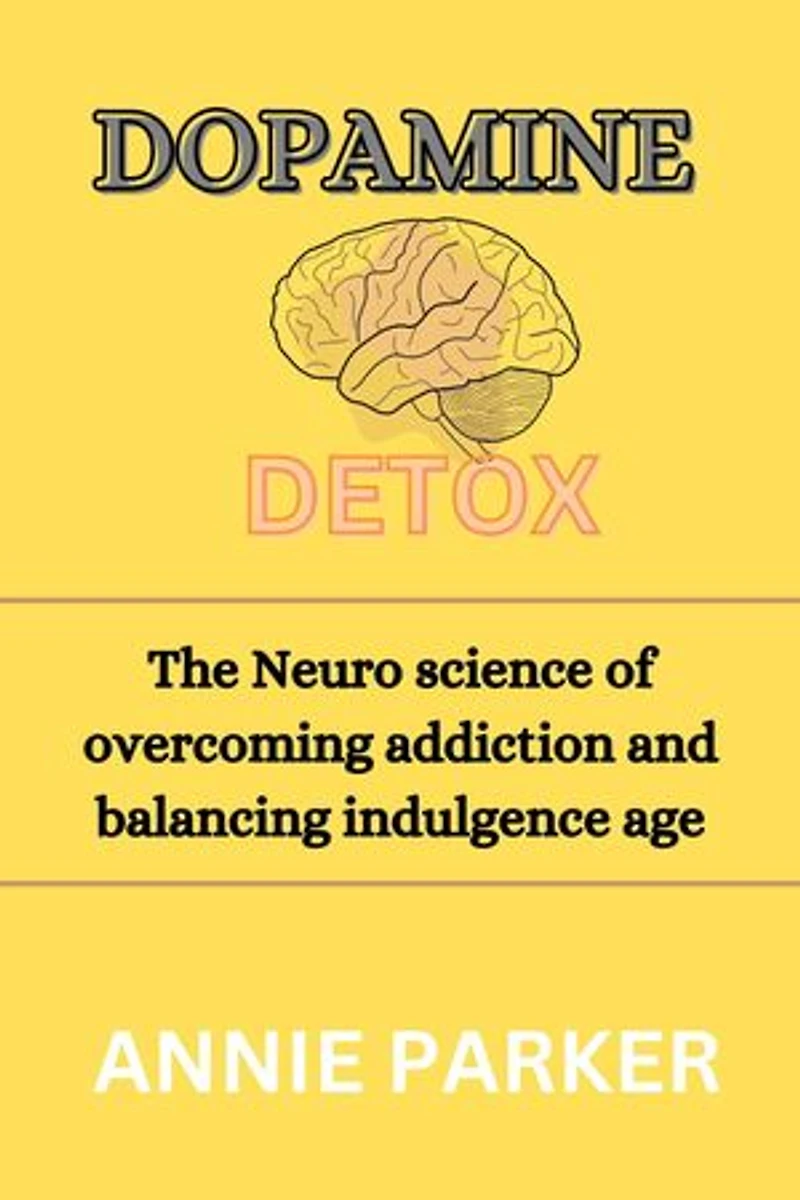
Dopamine Detox: The Neuro science of overcoming addiction and balancing indulgence age
Current price: $4.06

Dopamine Detox: The Neuro science of overcoming addiction and balancing indulgence age
Current price: $4.06
Loading Inventory...
Size: Kobo eBook
*Product information may vary - to confirm product availability, pricing, shipping and return information please contact Indigo
The neuroscience of addiction involves the brain's reward system, primarily driven by dopamine. When we engage in pleasurable activities, dopamine is released, creating feelings of pleasure and reinforcing the behavior. Over time, repeated stimulation (e.g., drugs, gambling, or social media) leads to changes in the brain's structure and function, making it harder to experience pleasure from normal activities.
This can result in tolerance, cravings, and compulsive behaviors. Addiction disrupts the brain's ability to regulate dopamine levels, creating a cycle of dependence that is difficult to break without intervention.
Self-regulation empowers individuals to control impulses, manage emotions, and make mindful decisions. It strengthens focus, reduces harmful behaviors, and fosters long-term goals. The path forward involves cultivating awareness, setting boundaries, and developing healthy habits, ultimately leading to greater emotional balance, productivity, and overall well-being.
The neuroscience of addiction involves the brain's reward system, primarily driven by dopamine. When we engage in pleasurable activities, dopamine is released, creating feelings of pleasure and reinforcing the behavior. Over time, repeated stimulation (e.g., drugs, gambling, or social media) leads to changes in the brain's structure and function, making it harder to experience pleasure from normal activities.
This can result in tolerance, cravings, and compulsive behaviors. Addiction disrupts the brain's ability to regulate dopamine levels, creating a cycle of dependence that is difficult to break without intervention.
Self-regulation empowers individuals to control impulses, manage emotions, and make mindful decisions. It strengthens focus, reduces harmful behaviors, and fosters long-term goals. The path forward involves cultivating awareness, setting boundaries, and developing healthy habits, ultimately leading to greater emotional balance, productivity, and overall well-being.
You May Also Like










More About Indigo at Erin Mills Town Centre
The largest book retailer in Canada also offers toys, music, home décor, gifts and lifestyle products. What's Inside...Books, Magazines, CD’s and DVD’s, Toys and Gifts, Home Accents, Electronics, Baby’s and Children’s Section, Bath and Body, Kitchen and Bedroom, Stationary Located outside in the exterior plaza.
5015 Glen Erin Dr, Mississauga, ON L5M 0R7, Canada
Find Indigo at Erin Mills Town Centre in Mississauga ON
Visit Indigo at Erin Mills Town Centre in Mississauga ON