

GIVE THE PERFECT GIFT
Erin Mills Town Centre Gift Cards are the perfect choice for your gift giving needs.Purchase gift cards at kiosks near the food court or centre court, at Guest Services, or click below to purchase online.PURCHASE HEREHome
Doubt, Scholarship and Society in 17th-Century Central Sudanic Africa
Indigo
Loading Inventory...
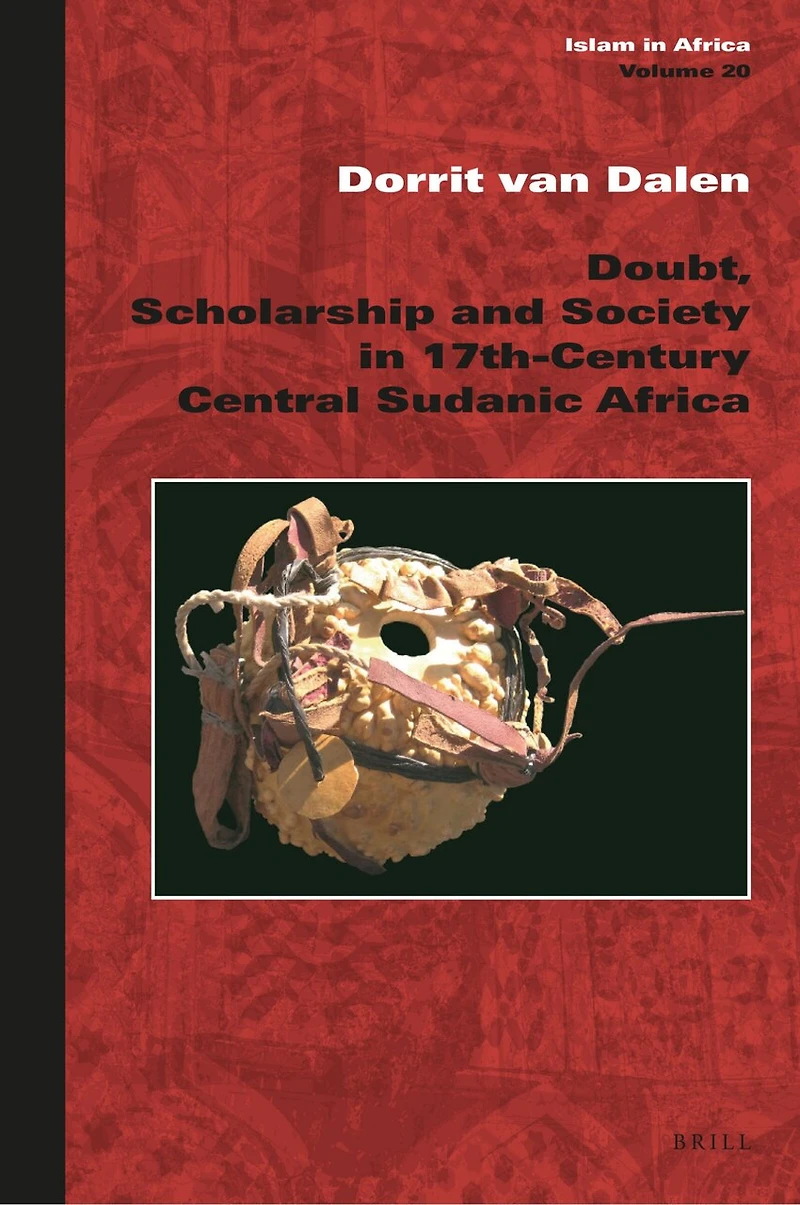
Doubt, Scholarship and Society in 17th-Century Central Sudanic Africa
Current price: $237.99

Doubt, Scholarship and Society in 17th-Century Central Sudanic Africa
Current price: $237.99
Loading Inventory...
Size: Hardcover
*Product information may vary - to confirm product availability, pricing, shipping and return information please contact Indigo
The seventeenth century was a period of major social change in central sudanic Africa. Islam spread from royal courts to rural communities, leading to new identities, new boundaries and new tasks for experts of the religion. Addressing these issues, the Bornu scholar Muḥammad al-Wālī acquired an exceptional reputation. Dorrit van Dalen ’s study places him within his intellectual environment, and portrays him as responding to the concerns of ordinary Muslims. It shows that scholars on the geographical margins of the Muslim world participated in the debates in the centres of Muslim learning of the time, but on their own terms. Al-Wālī’s work also sheds light on a century in the Islamic history of West Africa that has until now received little attention.
The seventeenth century was a period of major social change in central sudanic Africa. Islam spread from royal courts to rural communities, leading to new identities, new boundaries and new tasks for experts of the religion. Addressing these issues, the Bornu scholar Muḥammad al-Wālī acquired an exceptional reputation. Dorrit van Dalen ’s study places him within his intellectual environment, and portrays him as responding to the concerns of ordinary Muslims. It shows that scholars on the geographical margins of the Muslim world participated in the debates in the centres of Muslim learning of the time, but on their own terms. Al-Wālī’s work also sheds light on a century in the Islamic history of West Africa that has until now received little attention.
You May Also Like








More About Indigo at Erin Mills Town Centre
The largest book retailer in Canada also offers toys, music, home décor, gifts and lifestyle products. What's Inside...Books, Magazines, CD’s and DVD’s, Toys and Gifts, Home Accents, Electronics, Baby’s and Children’s Section, Bath and Body, Kitchen and Bedroom, Stationary Located outside in the exterior plaza.
5015 Glen Erin Dr, Mississauga, ON L5M 0R7, Canada
Find Indigo at Erin Mills Town Centre in Mississauga ON
Visit Indigo at Erin Mills Town Centre in Mississauga ON