

GIVE THE PERFECT GIFT
Erin Mills Town Centre Gift Cards are the perfect choice for your gift giving needs.Purchase gift cards at kiosks near the food court or centre court, at Guest Services, or click below to purchase online.PURCHASE HEREHome
D'Oyly Carte: The Decline and Fall of an Opera Company
Indigo
Loading Inventory...
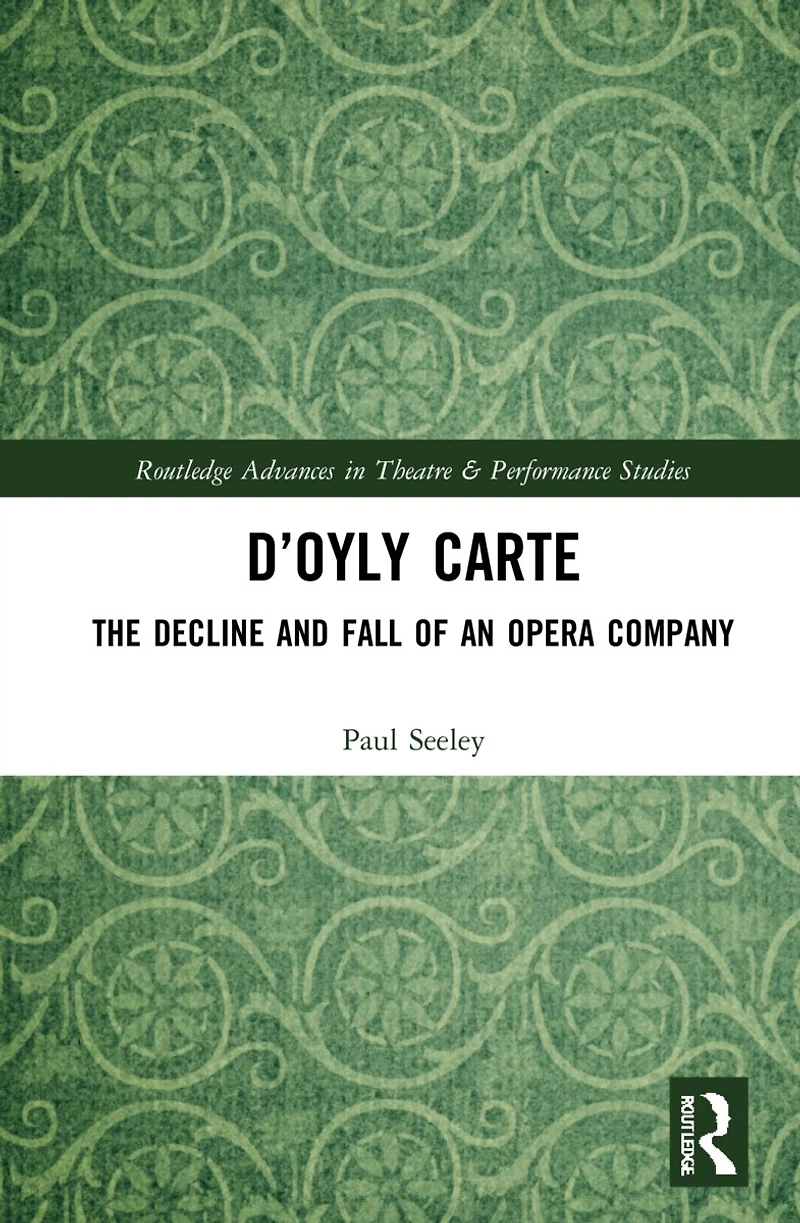
D'Oyly Carte: The Decline and Fall of an Opera Company
Current price: $296.50

D'Oyly Carte: The Decline and Fall of an Opera Company
Current price: $296.50
Loading Inventory...
Size: Hardcover
*Product information may vary - to confirm product availability, pricing, shipping and return information please contact Indigo
This book considers and discusses aspects of the management of the D'Oyly Carte Opera Company in the twentieth century since the death of its founder Richard D'Oyly Carte, and concentrates on key events that contributed to its demise in 1982. In this book, Paul Seeley follows the analytical model that proposes no single factor triggered the collapse, but rather several, both external and internal. In the case of an opera company the external factors may include public taste and market forces, but more significant are the internal factors such as the management decisions taken in response to external factors and how these compare with the original artistic aims, aspirations and business models of the founder. This is a study by someone with close observation of the administration; at the 1982 demise, Seeley was assistant to the company manager, having earlier served on the music staff. The book is a must-read for music historians, theatre historians and arts-management professionals; as an uncompromisingly critical history of the D'Oyly Carte Opera Company it is designed to serve a wider public, not just the Gilbert and Sullivan opera specialist, but anyone keen to debate the desirability of private or public sponsorship of the performing arts.
This book considers and discusses aspects of the management of the D'Oyly Carte Opera Company in the twentieth century since the death of its founder Richard D'Oyly Carte, and concentrates on key events that contributed to its demise in 1982. In this book, Paul Seeley follows the analytical model that proposes no single factor triggered the collapse, but rather several, both external and internal. In the case of an opera company the external factors may include public taste and market forces, but more significant are the internal factors such as the management decisions taken in response to external factors and how these compare with the original artistic aims, aspirations and business models of the founder. This is a study by someone with close observation of the administration; at the 1982 demise, Seeley was assistant to the company manager, having earlier served on the music staff. The book is a must-read for music historians, theatre historians and arts-management professionals; as an uncompromisingly critical history of the D'Oyly Carte Opera Company it is designed to serve a wider public, not just the Gilbert and Sullivan opera specialist, but anyone keen to debate the desirability of private or public sponsorship of the performing arts.
You May Also Like











More About Indigo at Erin Mills Town Centre
The largest book retailer in Canada also offers toys, music, home décor, gifts and lifestyle products. What's Inside...Books, Magazines, CD’s and DVD’s, Toys and Gifts, Home Accents, Electronics, Baby’s and Children’s Section, Bath and Body, Kitchen and Bedroom, Stationary Located outside in the exterior plaza.
5015 Glen Erin Dr, Mississauga, ON L5M 0R7, Canada
Find Indigo at Erin Mills Town Centre in Mississauga ON
Visit Indigo at Erin Mills Town Centre in Mississauga ON