

GIVE THE PERFECT GIFT
Erin Mills Town Centre Gift Cards are the perfect choice for your gift giving needs.Purchase gift cards at kiosks near the food court or centre court, at Guest Services, or click below to purchase online.PURCHASE HEREHome
Dragon's Lair and the Fantasy of Interactivity
Indigo
Loading Inventory...
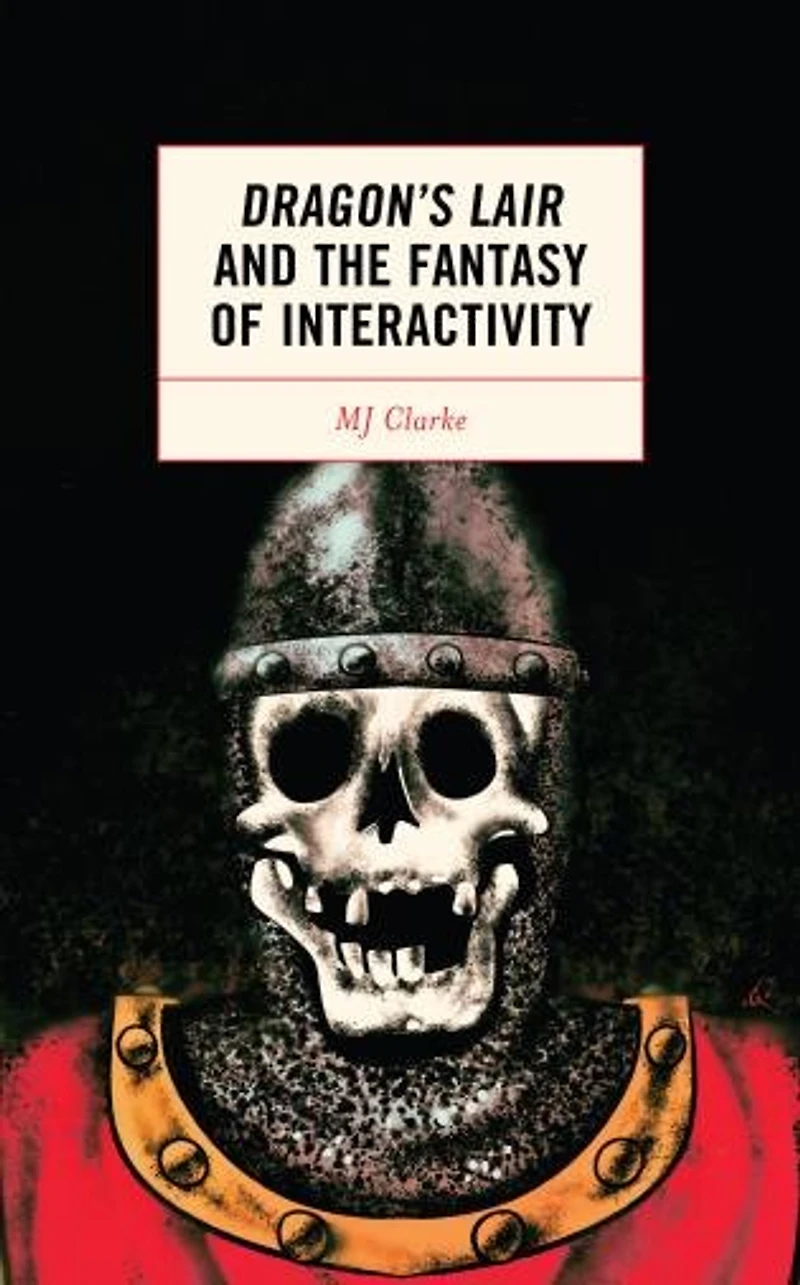
Dragon's Lair and the Fantasy of Interactivity
Current price: $160.95

Dragon's Lair and the Fantasy of Interactivity
Current price: $160.95
Loading Inventory...
Size: Hardcover
*Product information may vary - to confirm product availability, pricing, shipping and return information please contact Indigo
Perhaps no arcade game is so nostalgically remembered, yet so critically bemoaned, as Dragon's Lair. A bit of a technological neanderthal, the game implemented a unique combination of videogame components and home video replay, garnering great popular media and user attention in a moment of contracted economic returns and popularity for the videogame arcade business. But subsequently, writers and critics have cast the game aside as a cautionary tale of bad game design. In Dragon's Lair and the Fantasy of Interactivity, MJ Clarke revives Dragon's Lair as a fascinating textual experiment interlaced with powerful industrial strategies, institutional discourse, and textual desires around key notions of interactivity and fantasy. Constructing a multifaceted historical study of the game that considers its design, its makers, its recording medium, and its in-game imagery, Clarke suggests that the more appropriate metaphor for Dragon's Lair is not that of a neanderthal, but a socio-technical network, infusing and advancing debates about the production and consumption of new screen technologies. Far from being the gaming failure posited by evolutionary-minded lay critics, Clarke argues, Dragon's Lair offers a fascinating provisional solution to still-unsettled questions about screen media.
Perhaps no arcade game is so nostalgically remembered, yet so critically bemoaned, as Dragon's Lair. A bit of a technological neanderthal, the game implemented a unique combination of videogame components and home video replay, garnering great popular media and user attention in a moment of contracted economic returns and popularity for the videogame arcade business. But subsequently, writers and critics have cast the game aside as a cautionary tale of bad game design. In Dragon's Lair and the Fantasy of Interactivity, MJ Clarke revives Dragon's Lair as a fascinating textual experiment interlaced with powerful industrial strategies, institutional discourse, and textual desires around key notions of interactivity and fantasy. Constructing a multifaceted historical study of the game that considers its design, its makers, its recording medium, and its in-game imagery, Clarke suggests that the more appropriate metaphor for Dragon's Lair is not that of a neanderthal, but a socio-technical network, infusing and advancing debates about the production and consumption of new screen technologies. Far from being the gaming failure posited by evolutionary-minded lay critics, Clarke argues, Dragon's Lair offers a fascinating provisional solution to still-unsettled questions about screen media.
You May Also Like












More About Indigo at Erin Mills Town Centre
The largest book retailer in Canada also offers toys, music, home décor, gifts and lifestyle products. What's Inside...Books, Magazines, CD’s and DVD’s, Toys and Gifts, Home Accents, Electronics, Baby’s and Children’s Section, Bath and Body, Kitchen and Bedroom, Stationary Located outside in the exterior plaza.
5015 Glen Erin Dr, Mississauga, ON L5M 0R7, Canada
Find Indigo at Erin Mills Town Centre in Mississauga ON
Visit Indigo at Erin Mills Town Centre in Mississauga ON