

GIVE THE PERFECT GIFT
Erin Mills Town Centre Gift Cards are the perfect choice for your gift giving needs.Purchase gift cards at kiosks near the food court or centre court, at Guest Services, or click below to purchase online.PURCHASE HEREHome
Drugs and Public Health Post-Soviet Central Asia: Soviet-Style Management
Indigo
Loading Inventory...
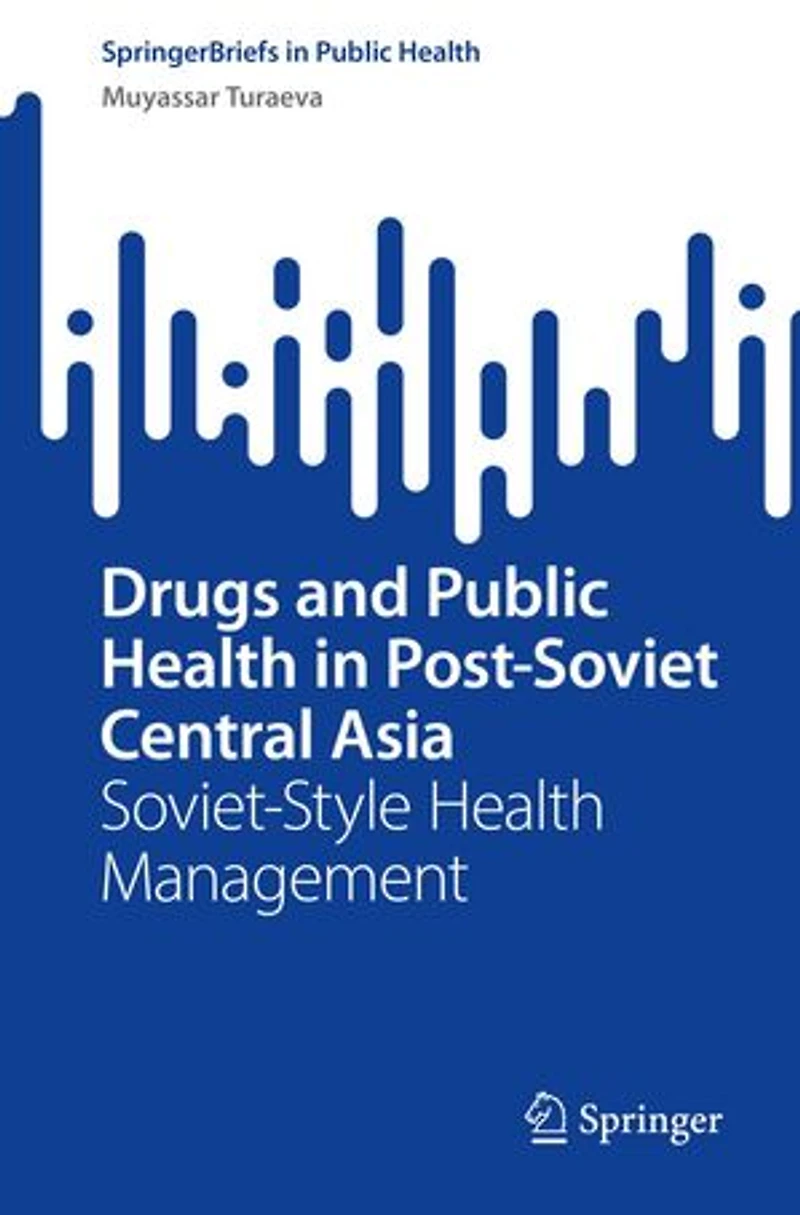
Drugs and Public Health Post-Soviet Central Asia: Soviet-Style Management
Current price: $64.49
Original price: $80.62

Drugs and Public Health Post-Soviet Central Asia: Soviet-Style Management
Current price: $64.49
Original price: $80.62
Loading Inventory...
Size: Kobo eBook
*Product information may vary - to confirm product availability, pricing, shipping and return information please contact Indigo
The book outlines post-Soviet style of health management in Central Asia. Regional studies on Central Asia to date have focused on states, politics, religion and inter-ethnic relations but not on the health system within the region. Soviet-style policies have also covered only other aspects relevant for the region. This book highlights the public health situation of the region with a focus on drug abuse, HIV/AIDS in the context of increased mobility, and drug trafficking routes which became even more porous after the break-up of the Soviet Union. Based on a qualitative study, the empirical data in the book was collected during long-term fieldwork conducted in Uzbekistan and Turkmenistan in 2010-2011 as well as shorter stays in Uzbekistan between 2012-2016. The analysis of the empirical material largely draws on the works of Foucault, particularly his concept of biopolitics when analyzing Soviet-style health management that is still practiced in the region. Applying the Foucauldian genealogical method, this study has been structured to trace the genealogy of epidemics to understand the historical path of drug abuse in the region as well as the discursive genealogy of drug politics and drug abuse. Applying the same genealogical method of Foucault, the formative and discursive trajectory of the institution of Uchyot was traced to contextualize the health governance methods that have historical legacy of Soviet-style governance and control of the total population. Drugs and Public Health in Post-Soviet Central Asia: Soviet-Style Health Management is a unique resource for academic specialists, practitioners/professionals, and advanced undergraduate and graduate students in public health, as well as a range of scholars and professionals in sociology, political science, anthropology, and anyone with an interest in the Central Asia region, drug addiction, or HIV. The book also could appeal to international donors in the field of HIV/drug addictionwho are working in the region.
The book outlines post-Soviet style of health management in Central Asia. Regional studies on Central Asia to date have focused on states, politics, religion and inter-ethnic relations but not on the health system within the region. Soviet-style policies have also covered only other aspects relevant for the region. This book highlights the public health situation of the region with a focus on drug abuse, HIV/AIDS in the context of increased mobility, and drug trafficking routes which became even more porous after the break-up of the Soviet Union. Based on a qualitative study, the empirical data in the book was collected during long-term fieldwork conducted in Uzbekistan and Turkmenistan in 2010-2011 as well as shorter stays in Uzbekistan between 2012-2016. The analysis of the empirical material largely draws on the works of Foucault, particularly his concept of biopolitics when analyzing Soviet-style health management that is still practiced in the region. Applying the Foucauldian genealogical method, this study has been structured to trace the genealogy of epidemics to understand the historical path of drug abuse in the region as well as the discursive genealogy of drug politics and drug abuse. Applying the same genealogical method of Foucault, the formative and discursive trajectory of the institution of Uchyot was traced to contextualize the health governance methods that have historical legacy of Soviet-style governance and control of the total population. Drugs and Public Health in Post-Soviet Central Asia: Soviet-Style Health Management is a unique resource for academic specialists, practitioners/professionals, and advanced undergraduate and graduate students in public health, as well as a range of scholars and professionals in sociology, political science, anthropology, and anyone with an interest in the Central Asia region, drug addiction, or HIV. The book also could appeal to international donors in the field of HIV/drug addictionwho are working in the region.
You May Also Like







More About Indigo at Erin Mills Town Centre
The largest book retailer in Canada also offers toys, music, home décor, gifts and lifestyle products. What's Inside...Books, Magazines, CD’s and DVD’s, Toys and Gifts, Home Accents, Electronics, Baby’s and Children’s Section, Bath and Body, Kitchen and Bedroom, Stationary Located outside in the exterior plaza.
5015 Glen Erin Dr, Mississauga, ON L5M 0R7, Canada
Find Indigo at Erin Mills Town Centre in Mississauga ON
Visit Indigo at Erin Mills Town Centre in Mississauga ON