

GIVE THE PERFECT GIFT
Erin Mills Town Centre Gift Cards are the perfect choice for your gift giving needs.Purchase gift cards at kiosks near the food court or centre court, at Guest Services, or click below to purchase online.PURCHASE HEREHome
Drugs and the Developing Brain
Indigo
Loading Inventory...
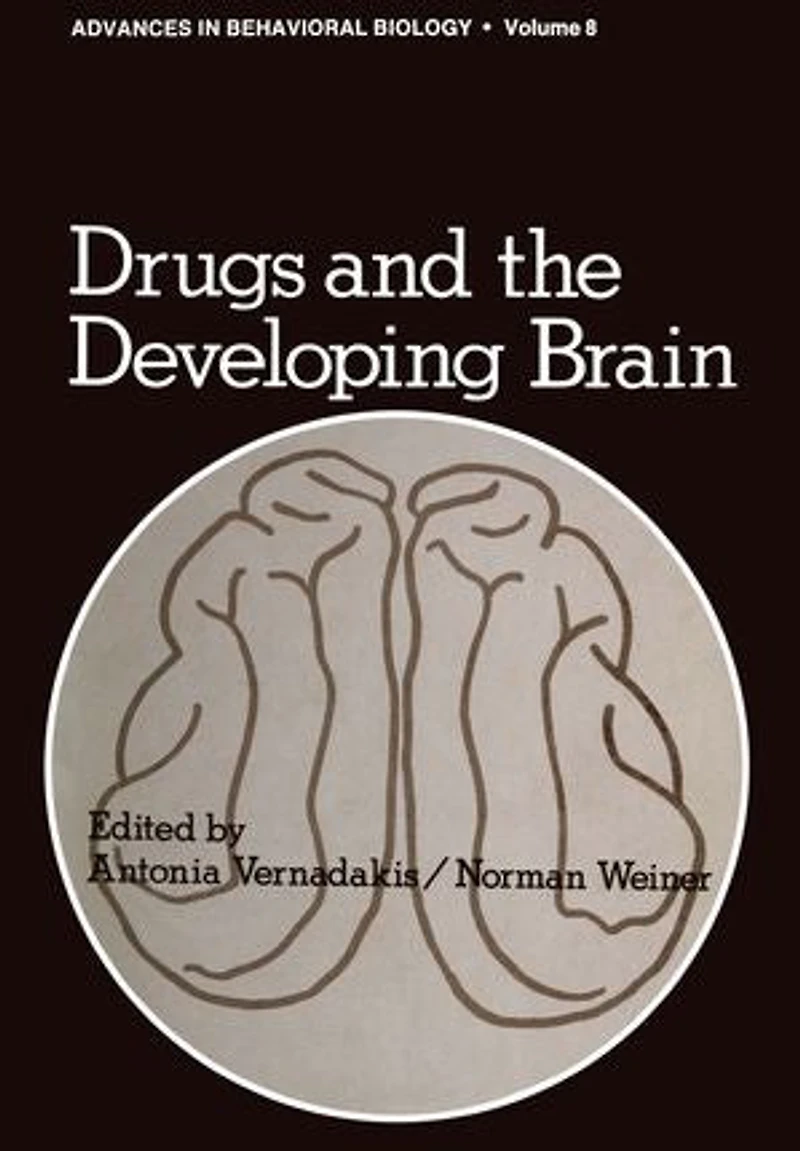
Drugs and the Developing Brain
Current price: $64.49
Original price: $80.62

Drugs and the Developing Brain
Current price: $64.49
Original price: $80.62
Loading Inventory...
Size: Kobo eBook
*Product information may vary - to confirm product availability, pricing, shipping and return information please contact Indigo
The thalidomide tragedy which occurred slightly more than a decade ago made public officials and the general public acutely aware of the teratogenic potential of drugs. Although specialists in pharmacology and developmental biology had been studying this problem many years before, this catastrophic episode triggered the passage of legislation which required that information about the teratogenicity of drugs be produced before the drugs could be available to the general public. Gross deformities in man produced by drugs are frequently difficult to reproduce in experimental animals and the changes which are produced in other animals are frequently not translatable to humans. The problem of evaluating the potential that drugs have to produce gross malformations is small, however, compared to the evaluation of subtle but permanent behavioral effects which drugs may exert upon the developing organism. Nevertheless, many experimental studies in recent years indicate that subtle biochemical changes produced by drugs on brain tissue during critical periods of fetal or early post natal maturation may become manifest subsequently as behavioral deviations in early childhood or adolescence. Hyperkinetic disorders, epilepsies and other developmental disabilities may have a subtle biochemical imbalance, perhaps drug induced, as an underlying factor. This symposium was organized with the intent of bringing to gether prominent investigators who are working in different aspects of brain development and who are interested in the effects of drugs on the developing brain in order to discuss their findings, pro pose new theories, and open new avenues for future research.
The thalidomide tragedy which occurred slightly more than a decade ago made public officials and the general public acutely aware of the teratogenic potential of drugs. Although specialists in pharmacology and developmental biology had been studying this problem many years before, this catastrophic episode triggered the passage of legislation which required that information about the teratogenicity of drugs be produced before the drugs could be available to the general public. Gross deformities in man produced by drugs are frequently difficult to reproduce in experimental animals and the changes which are produced in other animals are frequently not translatable to humans. The problem of evaluating the potential that drugs have to produce gross malformations is small, however, compared to the evaluation of subtle but permanent behavioral effects which drugs may exert upon the developing organism. Nevertheless, many experimental studies in recent years indicate that subtle biochemical changes produced by drugs on brain tissue during critical periods of fetal or early post natal maturation may become manifest subsequently as behavioral deviations in early childhood or adolescence. Hyperkinetic disorders, epilepsies and other developmental disabilities may have a subtle biochemical imbalance, perhaps drug induced, as an underlying factor. This symposium was organized with the intent of bringing to gether prominent investigators who are working in different aspects of brain development and who are interested in the effects of drugs on the developing brain in order to discuss their findings, pro pose new theories, and open new avenues for future research.
You May Also Like










More About Indigo at Erin Mills Town Centre
The largest book retailer in Canada also offers toys, music, home décor, gifts and lifestyle products. What's Inside...Books, Magazines, CD’s and DVD’s, Toys and Gifts, Home Accents, Electronics, Baby’s and Children’s Section, Bath and Body, Kitchen and Bedroom, Stationary Located outside in the exterior plaza.
5015 Glen Erin Dr, Mississauga, ON L5M 0R7, Canada
Find Indigo at Erin Mills Town Centre in Mississauga ON
Visit Indigo at Erin Mills Town Centre in Mississauga ON