

GIVE THE PERFECT GIFT
Erin Mills Town Centre Gift Cards are the perfect choice for your gift giving needs.Purchase gift cards at kiosks near the food court or centre court, at Guest Services, or click below to purchase online.PURCHASE HEREHome
Drugs on Trial: Experimental Pharmacology and Therapeutic Innovation the Eighteenth-Century
Indigo
Loading Inventory...
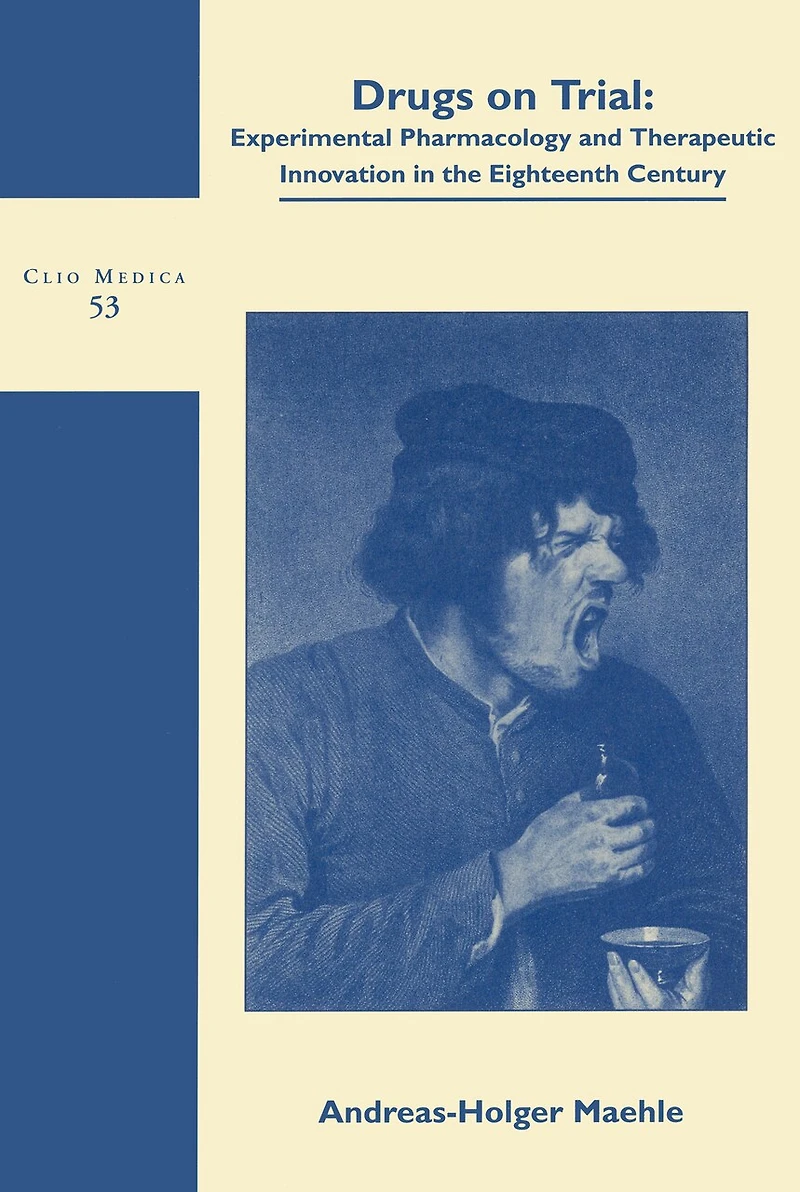
Drugs on Trial: Experimental Pharmacology and Therapeutic Innovation the Eighteenth-Century
Current price: $284.99

Drugs on Trial: Experimental Pharmacology and Therapeutic Innovation the Eighteenth-Century
Current price: $284.99
Loading Inventory...
Size: Hardcover
*Product information may vary - to confirm product availability, pricing, shipping and return information please contact Indigo
Experimental pharmacology is often portrayed as a creation of the nineteenth century, the age of the sciences in medicine. This book demonstrates that the basic methodology of the field, including chemical analysis, in vitro testing, animal experimentation and human research, was already developed in the course of the seventeenth and eighteenth centuries. Putting remedies on trial was stimulated by the challenge to Galenism through new chemical, mechanical and vitalist concepts of disease, by the import of exotic drugs and the flourishing trade with secret medicines. The book describes the main issues of eighteenth-century pharmacology and therapeutics and provides detailed case studies of three key areas: lithontriptics (remedies against urinary stones), opium, and Peruvian bark (quinine). It shows how pharmacological knowledge and therapeutic change were promoted in medical centres of the time, such as Edinburgh, London, Paris, Halle and Göttingen. Yet it also reveals how by publication of medical case histories many otherwise little-known practitioners contributed to this scientific enterprise as well.
Experimental pharmacology is often portrayed as a creation of the nineteenth century, the age of the sciences in medicine. This book demonstrates that the basic methodology of the field, including chemical analysis, in vitro testing, animal experimentation and human research, was already developed in the course of the seventeenth and eighteenth centuries. Putting remedies on trial was stimulated by the challenge to Galenism through new chemical, mechanical and vitalist concepts of disease, by the import of exotic drugs and the flourishing trade with secret medicines. The book describes the main issues of eighteenth-century pharmacology and therapeutics and provides detailed case studies of three key areas: lithontriptics (remedies against urinary stones), opium, and Peruvian bark (quinine). It shows how pharmacological knowledge and therapeutic change were promoted in medical centres of the time, such as Edinburgh, London, Paris, Halle and Göttingen. Yet it also reveals how by publication of medical case histories many otherwise little-known practitioners contributed to this scientific enterprise as well.
You May Also Like













More About Indigo at Erin Mills Town Centre
The largest book retailer in Canada also offers toys, music, home décor, gifts and lifestyle products. What's Inside...Books, Magazines, CD’s and DVD’s, Toys and Gifts, Home Accents, Electronics, Baby’s and Children’s Section, Bath and Body, Kitchen and Bedroom, Stationary Located outside in the exterior plaza.
5015 Glen Erin Dr, Mississauga, ON L5M 0R7, Canada
Find Indigo at Erin Mills Town Centre in Mississauga ON
Visit Indigo at Erin Mills Town Centre in Mississauga ON