

GIVE THE PERFECT GIFT
Erin Mills Town Centre Gift Cards are the perfect choice for your gift giving needs.Purchase gift cards at kiosks near the food court or centre court, at Guest Services, or click below to purchase online.PURCHASE HEREHome
Durkheim: A Critical Introduction
Indigo
Loading Inventory...
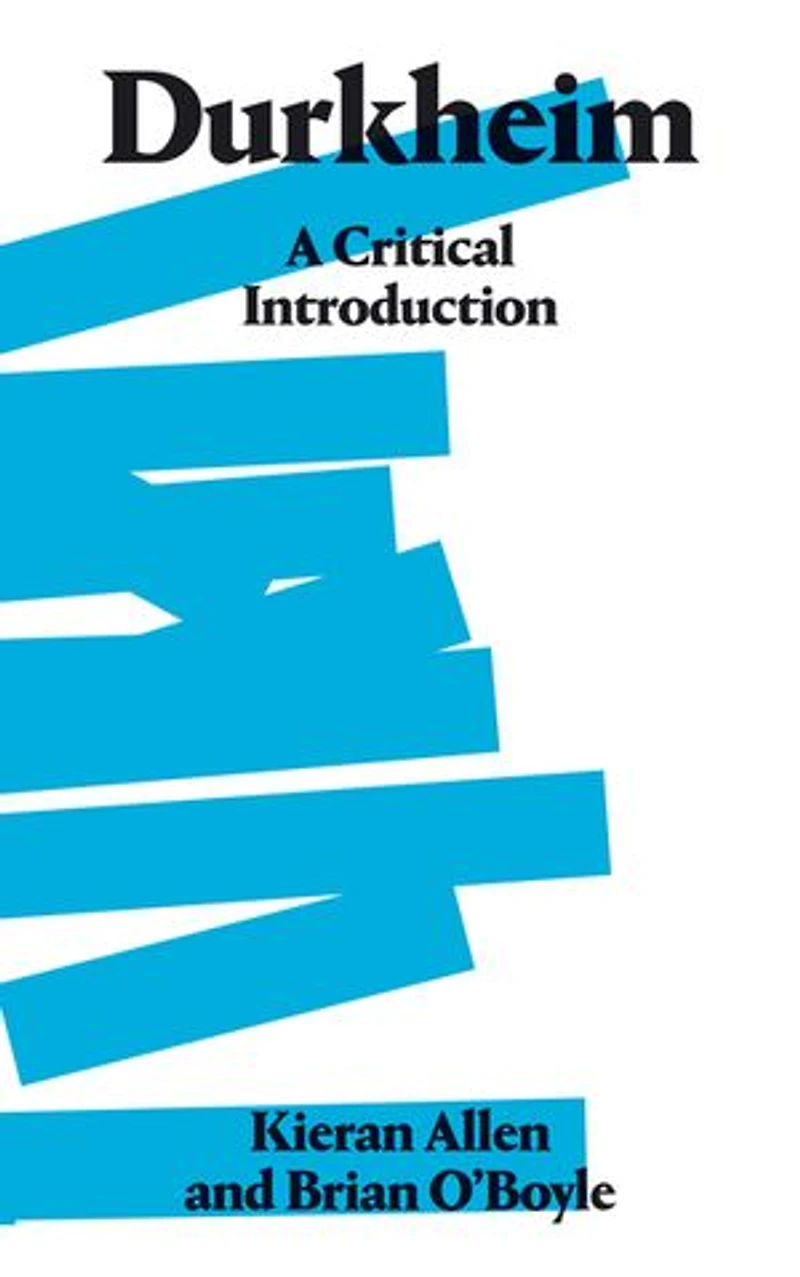
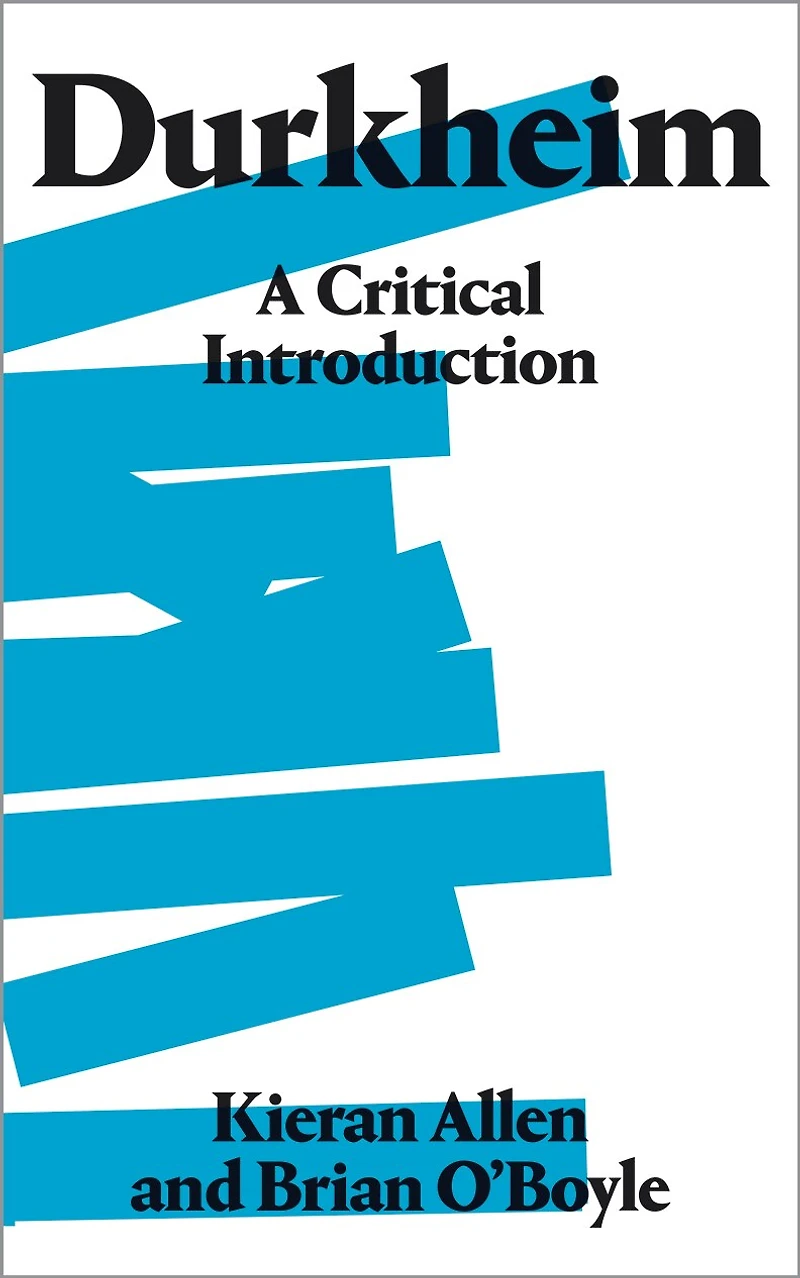
Durkheim: A Critical Introduction
Current price: $27.09
Original price: $33.86

Durkheim: A Critical Introduction
Current price: $27.09
Original price: $33.86
Loading Inventory...
Size: Kobo eBook
*Product information may vary - to confirm product availability, pricing, shipping and return information please contact Indigo
Emile Durkheim, along with Karl Marx and Max Weber, is one of the three 'founding fathers of sociology'. This is the first book to situate his sociology in the context of his republican politics, freeing his ideas from more conventional studies and allowing the reader to see his ideas afresh.
This critical introduction argues that Durkheim's defence of Republican France in the 1890s had a considerable influence on his sociology, which cannot be fully understood when removed from its historical and political context. His dismissal of economic factors in suicide rates, the influence of his anti-feminist position on his findings on marriage rates, and the idealism behind his claim that religion is the key determinant in shaping society are all discussed.
Through analysing his writings, including The Division of Labour in Society, Suicide and The Elementary Forms of Religious Life, this book provides a fascinating, critical counterpoint to the existing works on this key figure of sociology.
Emile Durkheim, along with Karl Marx and Max Weber, is one of the three 'founding fathers of sociology'. This is the first book to situate his sociology in the context of his republican politics, freeing his ideas from more conventional studies and allowing the reader to see his ideas afresh.
This critical introduction argues that Durkheim's defence of Republican France in the 1890s had a considerable influence on his sociology, which cannot be fully understood when removed from its historical and political context. His dismissal of economic factors in suicide rates, the influence of his anti-feminist position on his findings on marriage rates, and the idealism behind his claim that religion is the key determinant in shaping society are all discussed.
Through analysing his writings, including The Division of Labour in Society, Suicide and The Elementary Forms of Religious Life, this book provides a fascinating, critical counterpoint to the existing works on this key figure of sociology.
You May Also Like











More About Indigo at Erin Mills Town Centre
The largest book retailer in Canada also offers toys, music, home décor, gifts and lifestyle products. What's Inside...Books, Magazines, CD’s and DVD’s, Toys and Gifts, Home Accents, Electronics, Baby’s and Children’s Section, Bath and Body, Kitchen and Bedroom, Stationary Located outside in the exterior plaza.
5015 Glen Erin Dr, Mississauga, ON L5M 0R7, Canada
Find Indigo at Erin Mills Town Centre in Mississauga ON
Visit Indigo at Erin Mills Town Centre in Mississauga ON