

GIVE THE PERFECT GIFT
Erin Mills Town Centre Gift Cards are the perfect choice for your gift giving needs.Purchase gift cards at kiosks near the food court or centre court, at Guest Services, or click below to purchase online.PURCHASE HEREHome
Dynamics of Teaching and Learning Modern Hebrew as an Additional Language: Using Hebrew as a means of instruction and acquisition
Indigo
Loading Inventory...
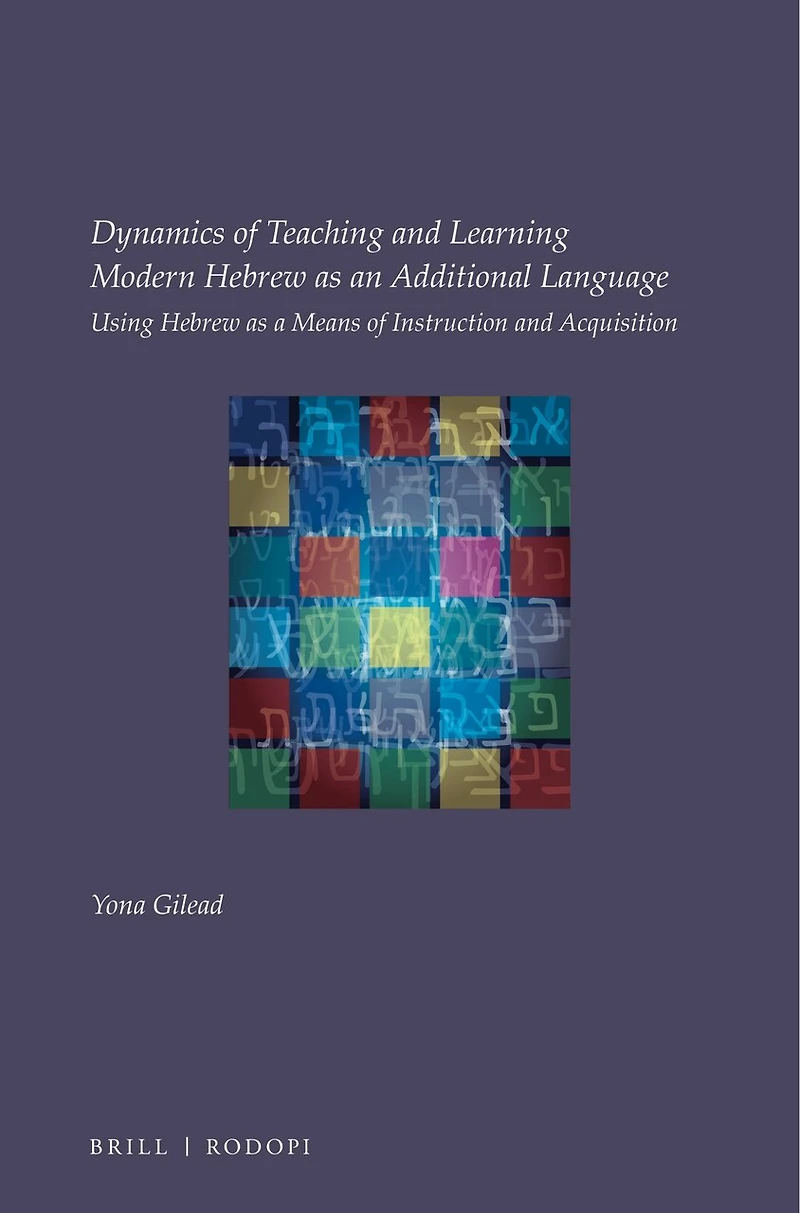
Dynamics of Teaching and Learning Modern Hebrew as an Additional Language: Using Hebrew as a means of instruction and acquisition
Current price: $137.99

Dynamics of Teaching and Learning Modern Hebrew as an Additional Language: Using Hebrew as a means of instruction and acquisition
Current price: $137.99
Loading Inventory...
Size: Paperback
*Product information may vary - to confirm product availability, pricing, shipping and return information please contact Indigo
In Dynamics of Teaching and Learning Modern Hebrew as an Additional Language Yona Gilead presents original research into classroom interactional practices by offering a thick description of a successful beginner-level Modern Hebrew program at an Australian university. The book charts and theorizes the cohort’s teacher and students’ trajectory of using Hebrew as the main means of instructing and acquiring the language, and highlights seven key features which contribute to students’ learning. The book’s research-based findings and analysis of classroom dynamics contribute to theorizing the currently largely praxis-based discipline of L2 Modern Hebrew instruction, hence providing a stronger theoretical understanding of how and why students can be assisted in their language learning.
This original research provides a template for renewed L2 Hebrew research.
In Dynamics of Teaching and Learning Modern Hebrew as an Additional Language Yona Gilead presents original research into classroom interactional practices by offering a thick description of a successful beginner-level Modern Hebrew program at an Australian university. The book charts and theorizes the cohort’s teacher and students’ trajectory of using Hebrew as the main means of instructing and acquiring the language, and highlights seven key features which contribute to students’ learning. The book’s research-based findings and analysis of classroom dynamics contribute to theorizing the currently largely praxis-based discipline of L2 Modern Hebrew instruction, hence providing a stronger theoretical understanding of how and why students can be assisted in their language learning.
This original research provides a template for renewed L2 Hebrew research.
You May Also Like









More About Indigo at Erin Mills Town Centre
The largest book retailer in Canada also offers toys, music, home décor, gifts and lifestyle products. What's Inside...Books, Magazines, CD’s and DVD’s, Toys and Gifts, Home Accents, Electronics, Baby’s and Children’s Section, Bath and Body, Kitchen and Bedroom, Stationary Located outside in the exterior plaza.
5015 Glen Erin Dr, Mississauga, ON L5M 0R7, Canada
Find Indigo at Erin Mills Town Centre in Mississauga ON
Visit Indigo at Erin Mills Town Centre in Mississauga ON