

GIVE THE PERFECT GIFT
Erin Mills Town Centre Gift Cards are the perfect choice for your gift giving needs.Purchase gift cards at kiosks near the food court or centre court, at Guest Services, or click below to purchase online.PURCHASE HEREHome
E-learning 1.0, 2.0, And 3.0 In Higher Education
Indigo
Loading Inventory...
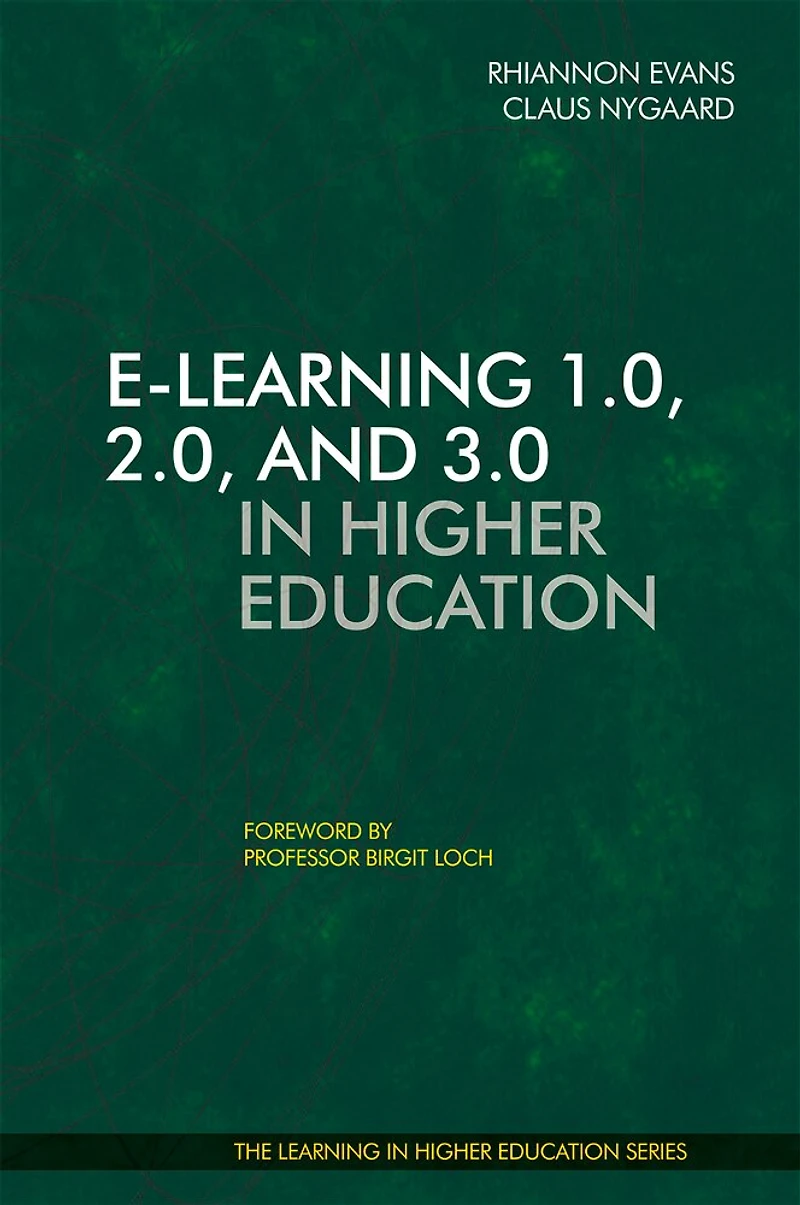
E-learning 1.0, 2.0, And 3.0 In Higher Education
Current price: $73.95

E-learning 1.0, 2.0, And 3.0 In Higher Education
Current price: $73.95
Loading Inventory...
Size: Paperback
*Product information may vary - to confirm product availability, pricing, shipping and return information please contact Indigo
This book has a completely new take on e-learning in higher education, introducing a novel framework which distinguishes between e-learning 1.0 (distribution), e-learning 2.0 (dialogue), and e-learning 3.0 (construction). Through this framework, the use of e-learning is actively linked to three theoretical perceptions of learning: 1.0 (behavioural learning theory), 2.0 (cognitive learning theory), and 3.0 (social learning theory). E-learning 1.0, 2.0, and 3.0 guides the reader through the design and use of e-learning by the central framework.
The book introduces eight practical examples of e-learning design considerations and e-learning implementations as academic colleagues from around the world present their concrete use-cases of e-learning technologies. The included information will enable readers to use the framework for e-learning and its link to associated learning theories to inform their own design and use of e-learning technologies for the benefit not only of teachers, but also the engagement and learning of students.
This book has a completely new take on e-learning in higher education, introducing a novel framework which distinguishes between e-learning 1.0 (distribution), e-learning 2.0 (dialogue), and e-learning 3.0 (construction). Through this framework, the use of e-learning is actively linked to three theoretical perceptions of learning: 1.0 (behavioural learning theory), 2.0 (cognitive learning theory), and 3.0 (social learning theory). E-learning 1.0, 2.0, and 3.0 guides the reader through the design and use of e-learning by the central framework.
The book introduces eight practical examples of e-learning design considerations and e-learning implementations as academic colleagues from around the world present their concrete use-cases of e-learning technologies. The included information will enable readers to use the framework for e-learning and its link to associated learning theories to inform their own design and use of e-learning technologies for the benefit not only of teachers, but also the engagement and learning of students.
You May Also Like







More About Indigo at Erin Mills Town Centre
The largest book retailer in Canada also offers toys, music, home décor, gifts and lifestyle products. What's Inside...Books, Magazines, CD’s and DVD’s, Toys and Gifts, Home Accents, Electronics, Baby’s and Children’s Section, Bath and Body, Kitchen and Bedroom, Stationary Located outside in the exterior plaza.
5015 Glen Erin Dr, Mississauga, ON L5M 0R7, Canada
Find Indigo at Erin Mills Town Centre in Mississauga ON
Visit Indigo at Erin Mills Town Centre in Mississauga ON