

GIVE THE PERFECT GIFT
Erin Mills Town Centre Gift Cards are the perfect choice for your gift giving needs.Purchase gift cards at kiosks near the food court or centre court, at Guest Services, or click below to purchase online.PURCHASE HEREHome
Early Modern Literature and the Bodies of a Reformed Eucharist
Indigo
Loading Inventory...
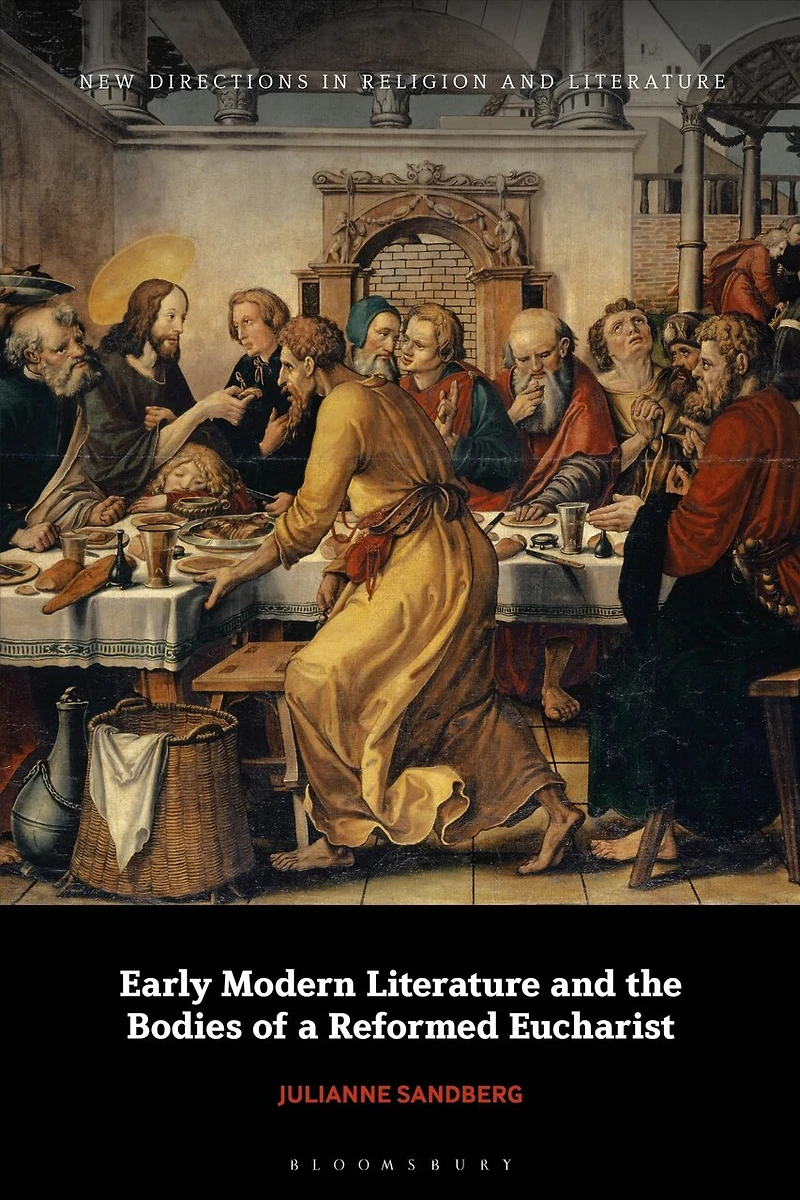
Early Modern Literature and the Bodies of a Reformed Eucharist
Current price: $167.95

Early Modern Literature and the Bodies of a Reformed Eucharist
Current price: $167.95
Loading Inventory...
Size: Hardcover
*Product information may vary - to confirm product availability, pricing, shipping and return information please contact Indigo
Examining what the eucharist taught early modern writers about their bodies and how it shaped the bodies they wrote about, this book shows how the exegetical roots of the Eucharistic controversy in 16th century England had very material and embodied consequences. To apprehend the nature of Christ's body-its nature, presence, closeness, and efficacy-for these writers, was also to understand one's own. And conversely, to know one's own body was to know something particular about Christ's. Sandberg provides new insights into how Edmund Spenser, William Shakespeare, John Donne, and Aemilia Lanyer use the reformed eucharistic paradigm to imagine the embodied significance of the sacrament for their own bodies, the bodies of their narrative subjects, and the body of their literary work. She shows the significance of this paradigm was for poets and playwrights at this time to represent the embodied self and negotiate how the body was read, interpreted and understood.
Examining what the eucharist taught early modern writers about their bodies and how it shaped the bodies they wrote about, this book shows how the exegetical roots of the Eucharistic controversy in 16th century England had very material and embodied consequences. To apprehend the nature of Christ's body-its nature, presence, closeness, and efficacy-for these writers, was also to understand one's own. And conversely, to know one's own body was to know something particular about Christ's. Sandberg provides new insights into how Edmund Spenser, William Shakespeare, John Donne, and Aemilia Lanyer use the reformed eucharistic paradigm to imagine the embodied significance of the sacrament for their own bodies, the bodies of their narrative subjects, and the body of their literary work. She shows the significance of this paradigm was for poets and playwrights at this time to represent the embodied self and negotiate how the body was read, interpreted and understood.
You May Also Like








More About Indigo at Erin Mills Town Centre
The largest book retailer in Canada also offers toys, music, home décor, gifts and lifestyle products. What's Inside...Books, Magazines, CD’s and DVD’s, Toys and Gifts, Home Accents, Electronics, Baby’s and Children’s Section, Bath and Body, Kitchen and Bedroom, Stationary Located outside in the exterior plaza.
5015 Glen Erin Dr, Mississauga, ON L5M 0R7, Canada
Find Indigo at Erin Mills Town Centre in Mississauga ON
Visit Indigo at Erin Mills Town Centre in Mississauga ON