

GIVE THE PERFECT GIFT
Erin Mills Town Centre Gift Cards are the perfect choice for your gift giving needs.Purchase gift cards at kiosks near the food court or centre court, at Guest Services, or click below to purchase online.PURCHASE HEREHome
Early Reformation Covenant Theology: English Reception of Swiss Reformed Thought, 1520-1555
Indigo
Loading Inventory...
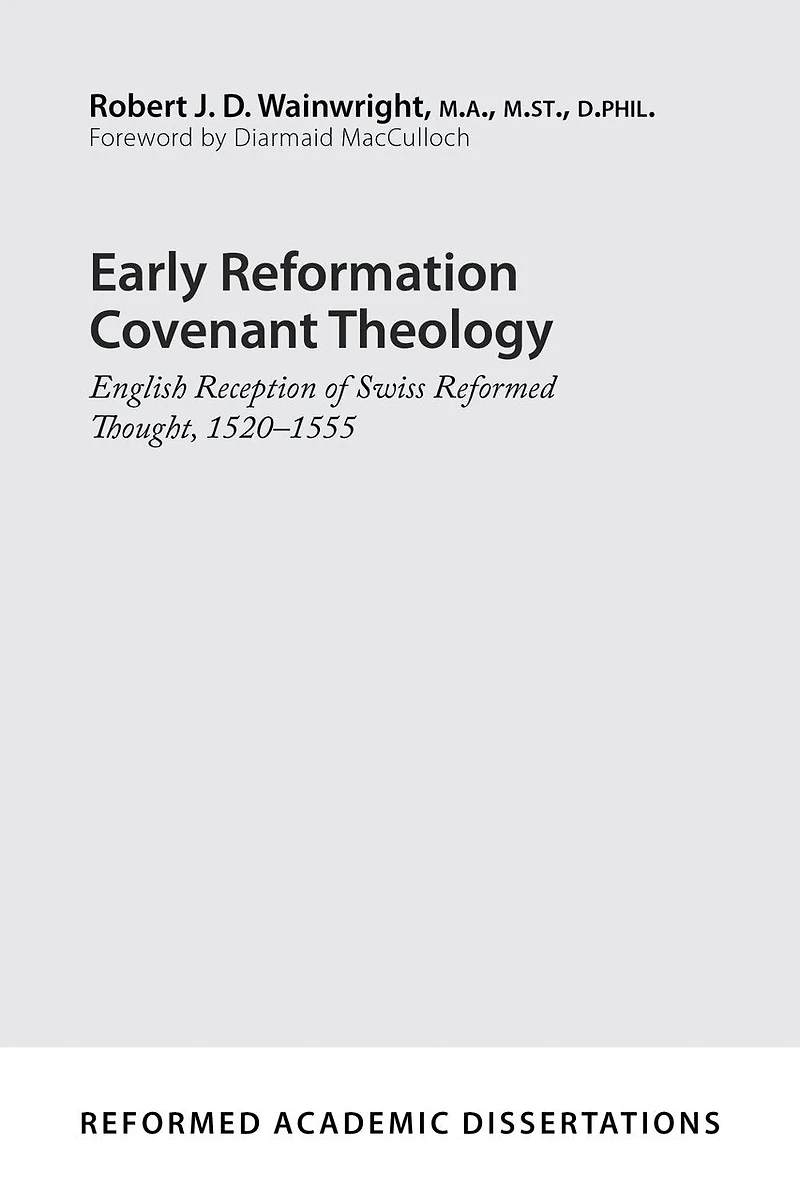
Early Reformation Covenant Theology: English Reception of Swiss Reformed Thought, 1520-1555
Current price: $94.99

Early Reformation Covenant Theology: English Reception of Swiss Reformed Thought, 1520-1555
Current price: $94.99
Loading Inventory...
Size: Paperback
*Product information may vary - to confirm product availability, pricing, shipping and return information please contact Indigo
Robert Wainwright demonstrates the importance of covenant theology in the early years of the Reformation. Contrary to the usual focus on the origins of federal theology, his book suggests that medieval covenant theology was reformed by the Swiss theologians Huldrych Zwingli, Heinrich Bullinger, and John Calvin, using the new parameters of grace alone and Scripture alone. Their covenant ideas spread at a surprisingly early stage to England and had a significant influence on the emergence of English Reformed theology. The characterization of early English theology as Lutheran, whether proto-Puritan or a mild via media, is challenged in favor of the importance of measured Reformed thought. The study examines the covenant theology of four English reformers (William Tyndale, Myles Coverdale, John Hooper, and John Bradford) and then argues that their sacramental theology can help to identify their intellectual influences. What emerges is an early Reformed covenant theology that is biblical without being systematic.
Robert Wainwright demonstrates the importance of covenant theology in the early years of the Reformation. Contrary to the usual focus on the origins of federal theology, his book suggests that medieval covenant theology was reformed by the Swiss theologians Huldrych Zwingli, Heinrich Bullinger, and John Calvin, using the new parameters of grace alone and Scripture alone. Their covenant ideas spread at a surprisingly early stage to England and had a significant influence on the emergence of English Reformed theology. The characterization of early English theology as Lutheran, whether proto-Puritan or a mild via media, is challenged in favor of the importance of measured Reformed thought. The study examines the covenant theology of four English reformers (William Tyndale, Myles Coverdale, John Hooper, and John Bradford) and then argues that their sacramental theology can help to identify their intellectual influences. What emerges is an early Reformed covenant theology that is biblical without being systematic.
You May Also Like














More About Indigo at Erin Mills Town Centre
The largest book retailer in Canada also offers toys, music, home décor, gifts and lifestyle products. What's Inside...Books, Magazines, CD’s and DVD’s, Toys and Gifts, Home Accents, Electronics, Baby’s and Children’s Section, Bath and Body, Kitchen and Bedroom, Stationary Located outside in the exterior plaza.
5015 Glen Erin Dr, Mississauga, ON L5M 0R7, Canada
Find Indigo at Erin Mills Town Centre in Mississauga ON
Visit Indigo at Erin Mills Town Centre in Mississauga ON