

GIVE THE PERFECT GIFT
Erin Mills Town Centre Gift Cards are the perfect choice for your gift giving needs.Purchase gift cards at kiosks near the food court or centre court, at Guest Services, or click below to purchase online.PURCHASE HEREHome
Earthquake cycle research with satellites
Indigo
Loading Inventory...
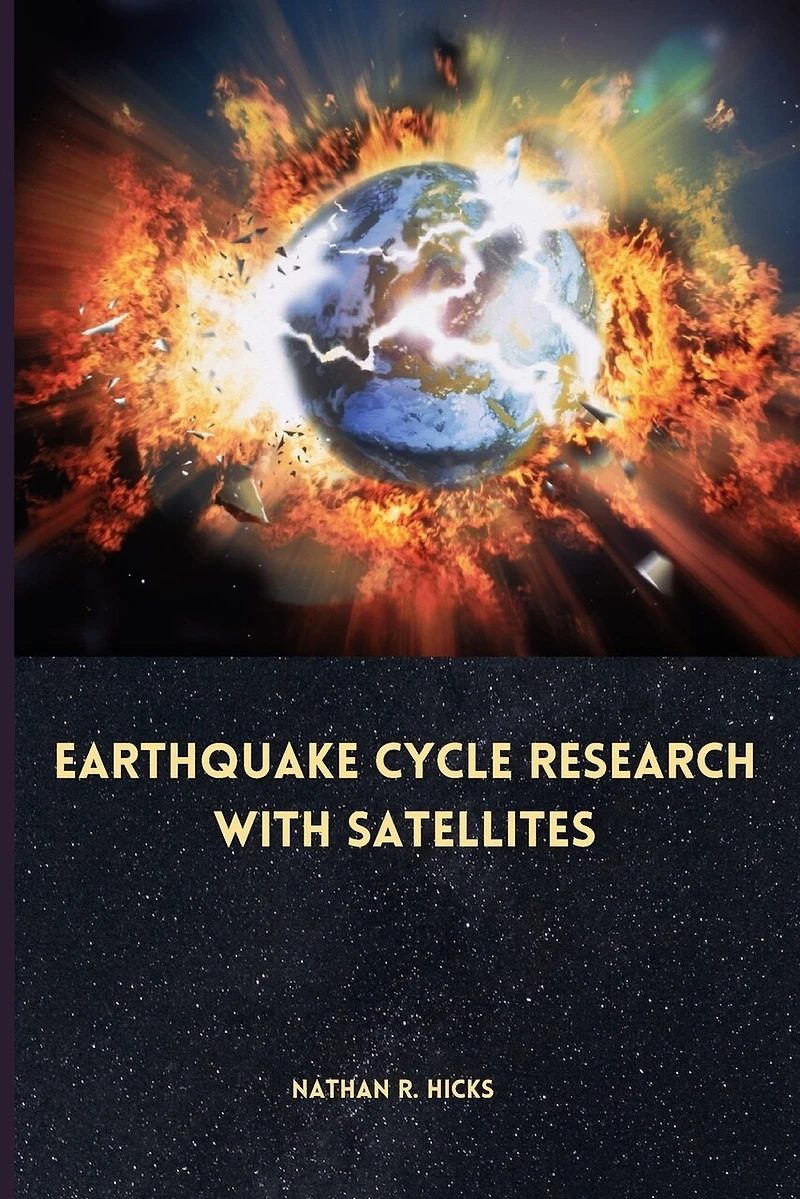
Earthquake cycle research with satellites
Current price: $39.99

Earthquake cycle research with satellites
Current price: $39.99
Loading Inventory...
Size: Paperback
*Product information may vary - to confirm product availability, pricing, shipping and return information please contact Indigo
The motion of the Earth's tectonic plates creates a gradual accumulation of stress at their boundaries, followed by a rapid release in earthquakes, a process known as the earthquake cycle. Studying this process is important because of the hazards earthquakes pose, but presents challenges due to the multi-scale nature of the problem-stresses build up over hundreds to thousands of years, while earthquakes break narrow fault zones in a matter of seconds. In this thesis, we combine a variety of techniques to study the earthquake cycle on multiple temporal and spatial scales, including satellite-based interferometric synthetic aperture radar (InSAR) to observe the slow deformation of the Earth over wide areas, and high-performance computational simulations to model faults during earthquakes. We begin by presenting a method for removing the signal of plate-tectonic motion in large-scale InSAR measurements, allowing for better observation of small ground deformations.
The motion of the Earth's tectonic plates creates a gradual accumulation of stress at their boundaries, followed by a rapid release in earthquakes, a process known as the earthquake cycle. Studying this process is important because of the hazards earthquakes pose, but presents challenges due to the multi-scale nature of the problem-stresses build up over hundreds to thousands of years, while earthquakes break narrow fault zones in a matter of seconds. In this thesis, we combine a variety of techniques to study the earthquake cycle on multiple temporal and spatial scales, including satellite-based interferometric synthetic aperture radar (InSAR) to observe the slow deformation of the Earth over wide areas, and high-performance computational simulations to model faults during earthquakes. We begin by presenting a method for removing the signal of plate-tectonic motion in large-scale InSAR measurements, allowing for better observation of small ground deformations.
You May Also Like












More About Indigo at Erin Mills Town Centre
The largest book retailer in Canada also offers toys, music, home décor, gifts and lifestyle products. What's Inside...Books, Magazines, CD’s and DVD’s, Toys and Gifts, Home Accents, Electronics, Baby’s and Children’s Section, Bath and Body, Kitchen and Bedroom, Stationary Located outside in the exterior plaza.
5015 Glen Erin Dr, Mississauga, ON L5M 0R7, Canada
Find Indigo at Erin Mills Town Centre in Mississauga ON
Visit Indigo at Erin Mills Town Centre in Mississauga ON