

GIVE THE PERFECT GIFT
Erin Mills Town Centre Gift Cards are the perfect choice for your gift giving needs.Purchase gift cards at kiosks near the food court or centre court, at Guest Services, or click below to purchase online.PURCHASE HEREHome
East Asia's Demand for Energy, Minerals and Food: The International Politics of Resources
Indigo
Loading Inventory...
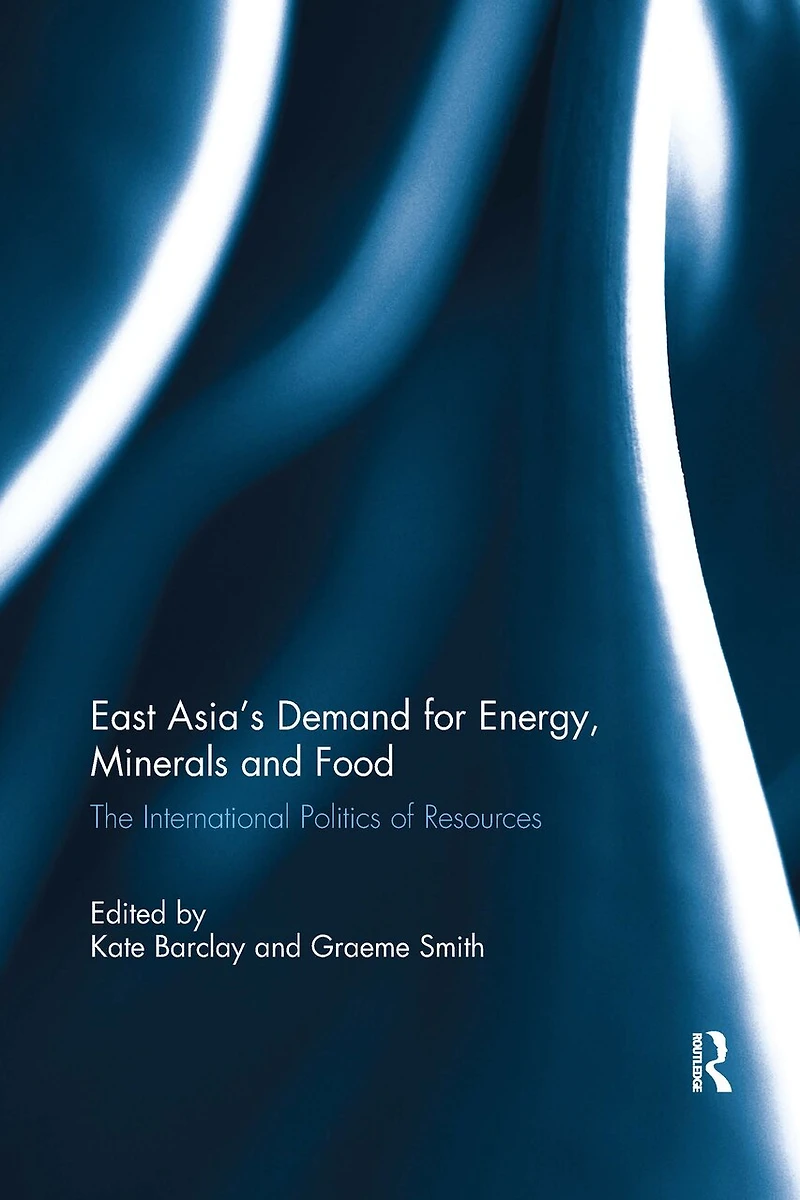
East Asia's Demand for Energy, Minerals and Food: The International Politics of Resources
Current price: $60.95

East Asia's Demand for Energy, Minerals and Food: The International Politics of Resources
Current price: $60.95
Loading Inventory...
Size: Paperback
*Product information may vary - to confirm product availability, pricing, shipping and return information please contact Indigo
China Japan and South Korea's international relations are shaped by the fact that all three countries are significant importers of resources. This book brings together work on specific aspects of the politics of resources for each of these countries, regionally and internationally. There are some similarities in the approaches taken by all these three. For example, their development assistance shares a focus on infrastructure building and reluctance to purposefully influence domestic politics. However, there are also significant differences due in large part to the individual nature of the states as international actors. China has significant domestic supplies of resources while Japan and Korea are net importers. China's size also marks it out as different, as does its state socialist history and continuing authoritarian state. One of the key issues to understanding contemporary resource politics in Northeast Asia is that Western dominance of the world order is currently declining. In some cases Northeast Asian approaches to resources are seen as being mercantilist. In other cases Northeast Asian powers are seen as replacing Western powers in exploiting resource-rich developing countries. This book gives readers an informed view of this very important issue in contemporary international relations.
This book was published as a special issue of Asian Studies Review .
China Japan and South Korea's international relations are shaped by the fact that all three countries are significant importers of resources. This book brings together work on specific aspects of the politics of resources for each of these countries, regionally and internationally. There are some similarities in the approaches taken by all these three. For example, their development assistance shares a focus on infrastructure building and reluctance to purposefully influence domestic politics. However, there are also significant differences due in large part to the individual nature of the states as international actors. China has significant domestic supplies of resources while Japan and Korea are net importers. China's size also marks it out as different, as does its state socialist history and continuing authoritarian state. One of the key issues to understanding contemporary resource politics in Northeast Asia is that Western dominance of the world order is currently declining. In some cases Northeast Asian approaches to resources are seen as being mercantilist. In other cases Northeast Asian powers are seen as replacing Western powers in exploiting resource-rich developing countries. This book gives readers an informed view of this very important issue in contemporary international relations.
This book was published as a special issue of Asian Studies Review .
You May Also Like







More About Indigo at Erin Mills Town Centre
The largest book retailer in Canada also offers toys, music, home décor, gifts and lifestyle products. What's Inside...Books, Magazines, CD’s and DVD’s, Toys and Gifts, Home Accents, Electronics, Baby’s and Children’s Section, Bath and Body, Kitchen and Bedroom, Stationary Located outside in the exterior plaza.
5015 Glen Erin Dr, Mississauga, ON L5M 0R7, Canada
Find Indigo at Erin Mills Town Centre in Mississauga ON
Visit Indigo at Erin Mills Town Centre in Mississauga ON