

GIVE THE PERFECT GIFT
Erin Mills Town Centre Gift Cards are the perfect choice for your gift giving needs.Purchase gift cards at kiosks near the food court or centre court, at Guest Services, or click below to purchase online.PURCHASE HEREHome
Ecclesiology the New Testament
Indigo
Loading Inventory...
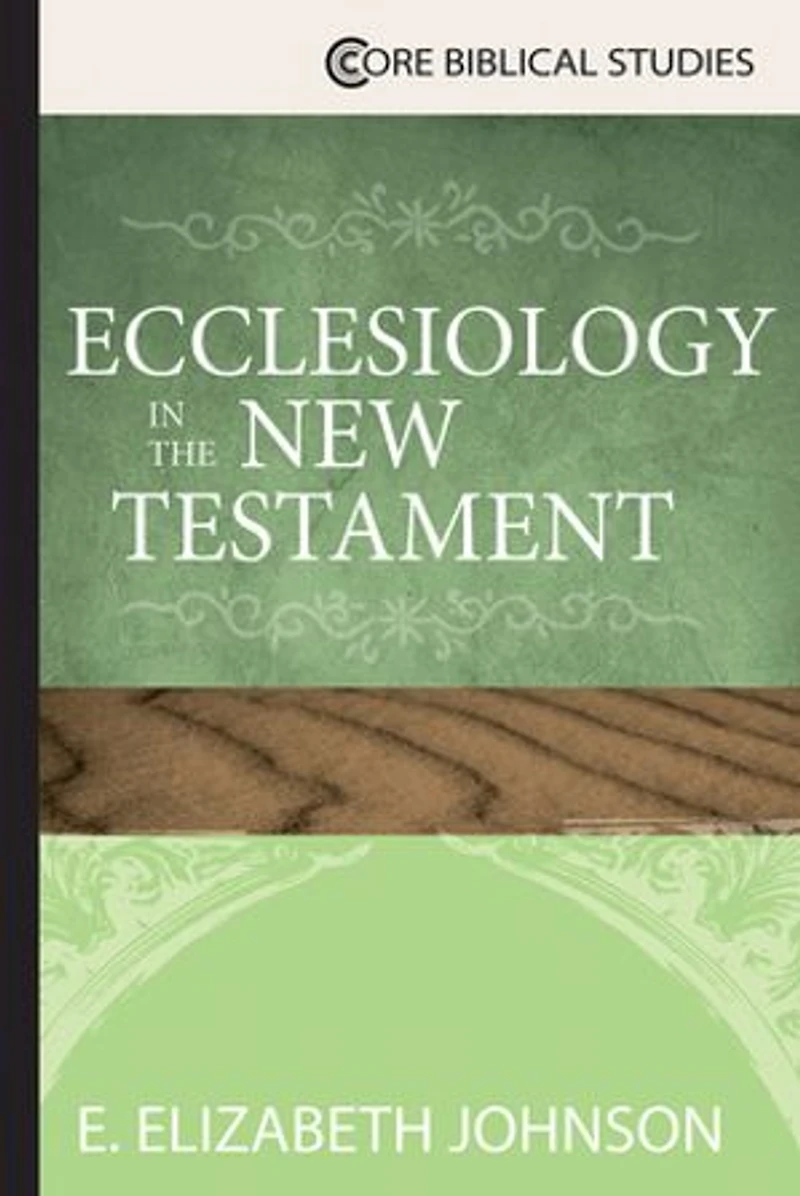

Ecclesiology the New Testament
Current price: $37.59
Original price: $46.99

Ecclesiology the New Testament
Current price: $37.59
Original price: $46.99
Loading Inventory...
Size: Kobo eBook
*Product information may vary - to confirm product availability, pricing, shipping and return information please contact Indigo
The earliest Christians thought of themselves in communal terms. They did not simply make individual commitments to Jesus as God's messiah; they constituted themselves as communities shaped by the in-breaking of God's realm. They likely learned to do so from Jesus himself. When he summoned an inner circle of his followers and numbered them twelve, he signaled that his ministry had the character of a reform movement within Israel.
In his work of preaching, healing, exorcism, and prophetic sign actions, Jesus shaped his followers into what would eventually become the church. By transgressing contemporary religious and social boundaries in his ministry, he planted the seeds of the church's later inclusion of non-Jews.
This book will investigate New Testament texts about the church from a comparative standpoint. That is, the various authors adopt different metaphors for their communities-family, assembly, nation, priesthood, and so on--to make varying claims about how they ought to live together and how they ought to live among their neighbors. In their descriptions of themselves as the church, Christians implicitly and explicitly describe their theology but also the Roman empire, the Jerusalem temple, the synagogue, popular philosophical circles, and first-century domestic order.
The earliest Christians thought of themselves in communal terms. They did not simply make individual commitments to Jesus as God's messiah; they constituted themselves as communities shaped by the in-breaking of God's realm. They likely learned to do so from Jesus himself. When he summoned an inner circle of his followers and numbered them twelve, he signaled that his ministry had the character of a reform movement within Israel.
In his work of preaching, healing, exorcism, and prophetic sign actions, Jesus shaped his followers into what would eventually become the church. By transgressing contemporary religious and social boundaries in his ministry, he planted the seeds of the church's later inclusion of non-Jews.
This book will investigate New Testament texts about the church from a comparative standpoint. That is, the various authors adopt different metaphors for their communities-family, assembly, nation, priesthood, and so on--to make varying claims about how they ought to live together and how they ought to live among their neighbors. In their descriptions of themselves as the church, Christians implicitly and explicitly describe their theology but also the Roman empire, the Jerusalem temple, the synagogue, popular philosophical circles, and first-century domestic order.
You May Also Like







More About Indigo at Erin Mills Town Centre
The largest book retailer in Canada also offers toys, music, home décor, gifts and lifestyle products. What's Inside...Books, Magazines, CD’s and DVD’s, Toys and Gifts, Home Accents, Electronics, Baby’s and Children’s Section, Bath and Body, Kitchen and Bedroom, Stationary Located outside in the exterior plaza.
5015 Glen Erin Dr, Mississauga, ON L5M 0R7, Canada
Find Indigo at Erin Mills Town Centre in Mississauga ON
Visit Indigo at Erin Mills Town Centre in Mississauga ON