

GIVE THE PERFECT GIFT
Erin Mills Town Centre Gift Cards are the perfect choice for your gift giving needs.Purchase gift cards at kiosks near the food court or centre court, at Guest Services, or click below to purchase online.PURCHASE HEREHome
Echoes of Life and Death
Indigo
Loading Inventory...
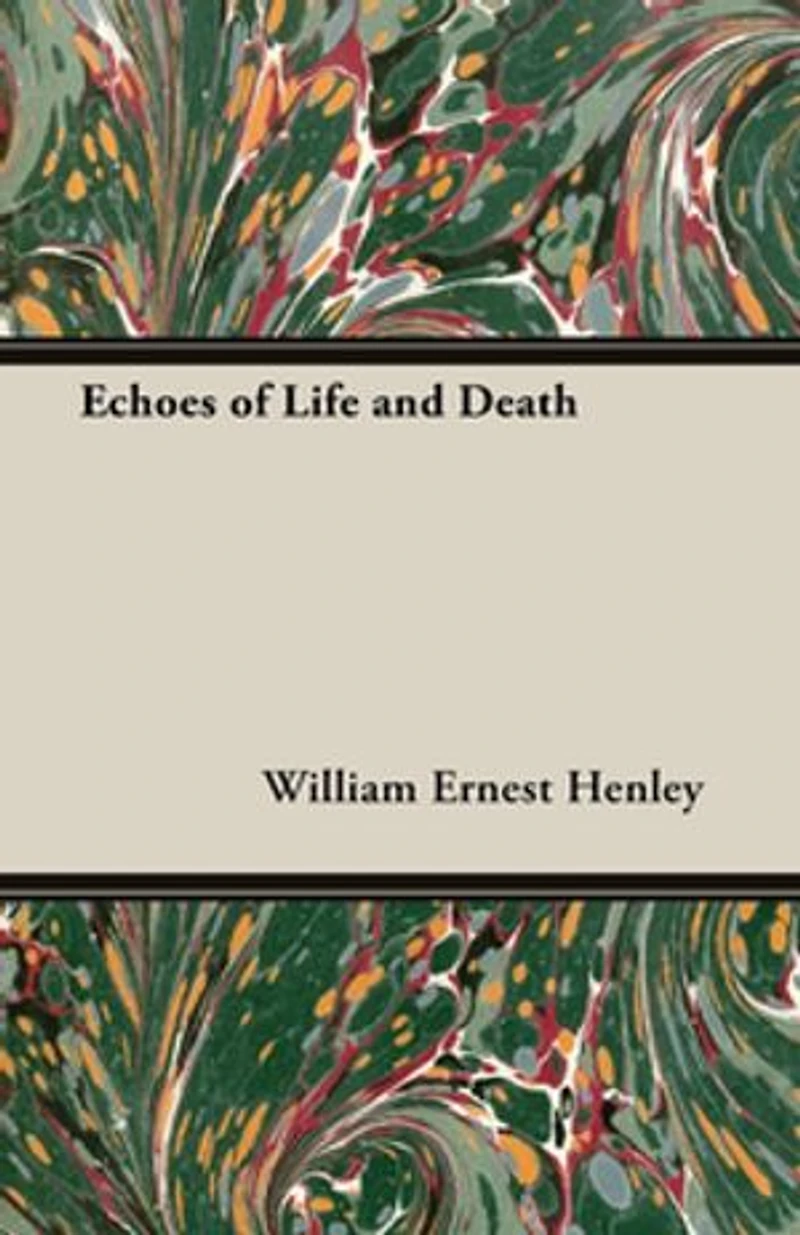
Echoes of Life and Death
Current price: $8.09
Original price: $8.99

Echoes of Life and Death
Current price: $8.09
Original price: $8.99
Loading Inventory...
Size: Kobo eBook
*Product information may vary - to confirm product availability, pricing, shipping and return information please contact Indigo
This early work by William Ernest Henley was originally published in 1908 and we are now republishing it with a brand new introductory biography. 'Echoes of Life and Death' is a collection of 47 poems by this highly under-read and under-rated English poet. William Ernest Henley was born on 23rd August 1849, in Gloucester, England. In 1867, Henley passed the Oxford Local Schools Examination and set off to London to establish himself as a journalist. Unfortunately, his career was frequently interrupted by long stays in hospital due to a diseased right foot which he refused to have amputated. During a three year stay at the Royal Infirmary of Edinburgh, Henley wrote and published his collection of poetry 'In Hospital' (1875). This publication is noteworthy in particular for being some of the earliest examples of free verse written in England. Henley's best-remembered work is his poem "Invictus", written in 1888. It is a passionate and defiant poem, reportedly written as a demonstration of resilience following the amputation of his leg.
This early work by William Ernest Henley was originally published in 1908 and we are now republishing it with a brand new introductory biography. 'Echoes of Life and Death' is a collection of 47 poems by this highly under-read and under-rated English poet. William Ernest Henley was born on 23rd August 1849, in Gloucester, England. In 1867, Henley passed the Oxford Local Schools Examination and set off to London to establish himself as a journalist. Unfortunately, his career was frequently interrupted by long stays in hospital due to a diseased right foot which he refused to have amputated. During a three year stay at the Royal Infirmary of Edinburgh, Henley wrote and published his collection of poetry 'In Hospital' (1875). This publication is noteworthy in particular for being some of the earliest examples of free verse written in England. Henley's best-remembered work is his poem "Invictus", written in 1888. It is a passionate and defiant poem, reportedly written as a demonstration of resilience following the amputation of his leg.
You May Also Like










More About Indigo at Erin Mills Town Centre
The largest book retailer in Canada also offers toys, music, home décor, gifts and lifestyle products. What's Inside...Books, Magazines, CD’s and DVD’s, Toys and Gifts, Home Accents, Electronics, Baby’s and Children’s Section, Bath and Body, Kitchen and Bedroom, Stationary Located outside in the exterior plaza.
5015 Glen Erin Dr, Mississauga, ON L5M 0R7, Canada
Find Indigo at Erin Mills Town Centre in Mississauga ON
Visit Indigo at Erin Mills Town Centre in Mississauga ON