

GIVE THE PERFECT GIFT
Erin Mills Town Centre Gift Cards are the perfect choice for your gift giving needs.Purchase gift cards at kiosks near the food court or centre court, at Guest Services, or click below to purchase online.PURCHASE HEREHome
Eclogues and Georgics
Indigo
Loading Inventory...
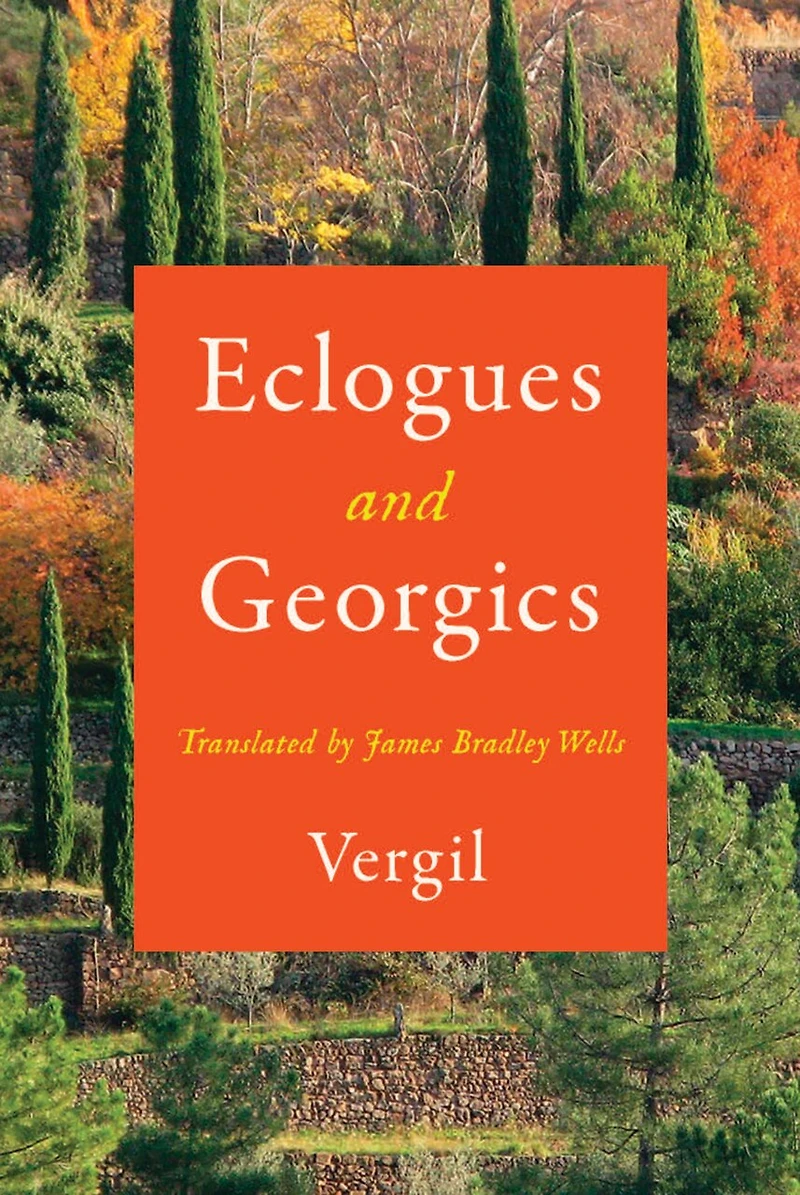
Eclogues and Georgics
Current price: $38.95

Eclogues and Georgics
Current price: $38.95
Loading Inventory...
Size: Hardcover
*Product information may vary - to confirm product availability, pricing, shipping and return information please contact Indigo
James Bradley Wells combines creative practice and intimate knowledge of contemporary poetry and classical antiquity in this thought-provoking new translation of two early works by ancient Rome’s most well-known and most esteemed poet, Vergil’s Eclogues and Georgics . With its emphasis on the musicality of English, Wells’s translations honor the original spirit of Latin poetry as both a written and performance-based art form.
The accompanying introductory essays situate Vergil’s poems in a rich literary tradition. Wells provides historical context and literary analysis of these two works, eschewing facile interpretations of these oft examined texts and ensconcing them in the society and culture from which they originated. These annotated essays, a pronunciation guide, and a glossary, alongside Wells’s bold vision for what translation choices can reveal, guide readers as they explore this ancient and famously difficult poetry.
James Bradley Wells combines creative practice and intimate knowledge of contemporary poetry and classical antiquity in this thought-provoking new translation of two early works by ancient Rome’s most well-known and most esteemed poet, Vergil’s Eclogues and Georgics . With its emphasis on the musicality of English, Wells’s translations honor the original spirit of Latin poetry as both a written and performance-based art form.
The accompanying introductory essays situate Vergil’s poems in a rich literary tradition. Wells provides historical context and literary analysis of these two works, eschewing facile interpretations of these oft examined texts and ensconcing them in the society and culture from which they originated. These annotated essays, a pronunciation guide, and a glossary, alongside Wells’s bold vision for what translation choices can reveal, guide readers as they explore this ancient and famously difficult poetry.
You May Also Like







More About Indigo at Erin Mills Town Centre
The largest book retailer in Canada also offers toys, music, home décor, gifts and lifestyle products. What's Inside...Books, Magazines, CD’s and DVD’s, Toys and Gifts, Home Accents, Electronics, Baby’s and Children’s Section, Bath and Body, Kitchen and Bedroom, Stationary Located outside in the exterior plaza.
5015 Glen Erin Dr, Mississauga, ON L5M 0R7, Canada
Find Indigo at Erin Mills Town Centre in Mississauga ON
Visit Indigo at Erin Mills Town Centre in Mississauga ON