

GIVE THE PERFECT GIFT
Erin Mills Town Centre Gift Cards are the perfect choice for your gift giving needs.Purchase gift cards at kiosks near the food court or centre court, at Guest Services, or click below to purchase online.PURCHASE HEREHome
Ecological Stylistics: Ecostylistic Approaches to Discourses of Nature
Indigo
Loading Inventory...
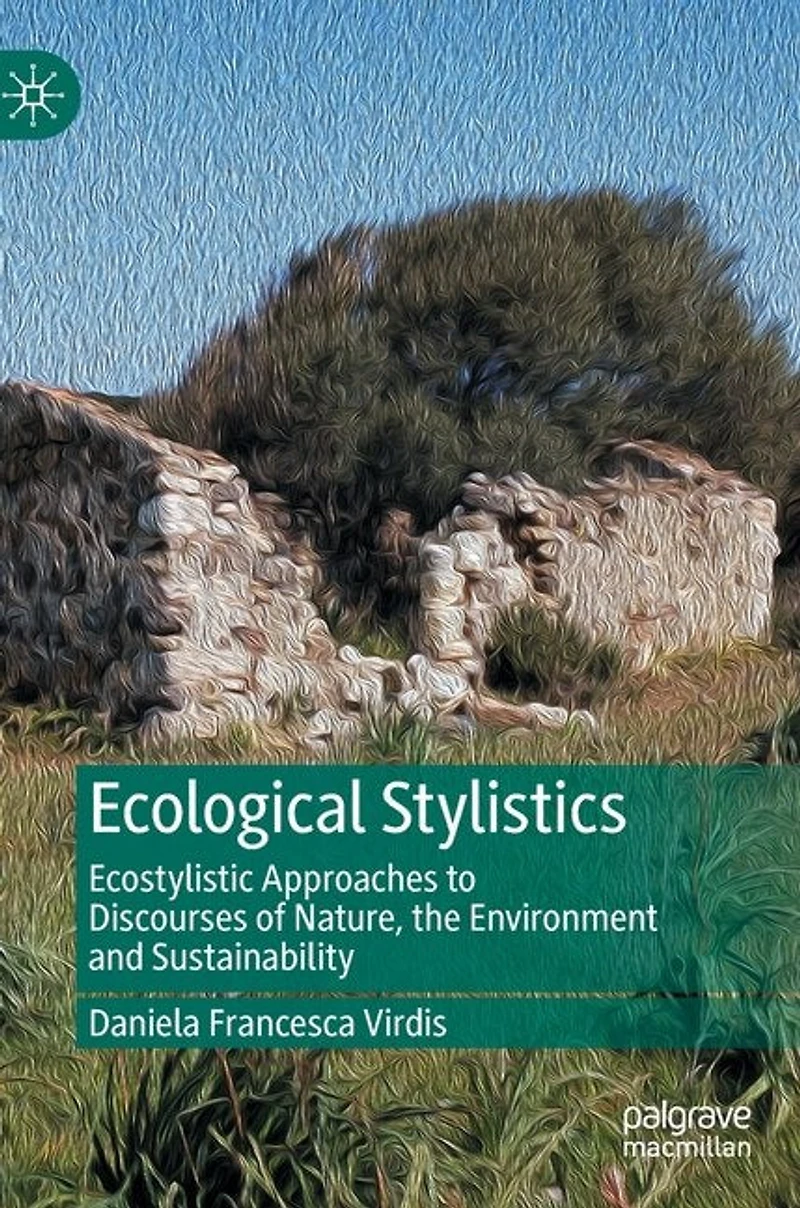
Ecological Stylistics: Ecostylistic Approaches to Discourses of Nature
Current price: $160.95

Ecological Stylistics: Ecostylistic Approaches to Discourses of Nature
Current price: $160.95
Loading Inventory...
Size: Hardcover
*Product information may vary - to confirm product availability, pricing, shipping and return information please contact Indigo
This book reflects the cutting edge in ecostylistic approaches to nature, the environment and sustainability as represented in contemporary non-literary discourse. Firstly, the book presents the ecolinguistic and stylistic terms and theories applied in this ecostylistic analysis (ecosophy, beneficial, ambivalent and destructive discourses; and foregrounding, point of view, metaphor), and reviews the most recent literature in the field of ecostylistics. Secondly, the book examines the occurrences of five marker words (nature, environment, ecosystem, ecology, sustainability) on the websites of five environmental organisations and agencies (Forestry England, Greenpeace International, National Park Service, Navdanya International, World Wide Fund for Nature). The main research purpose of this study is to identify beneficial discourses in the environet and to investigate the beneficial ecostylistic strategies utilised to produce them. Above all, this book reminds us humans that we do notstand apart from nature: we are a part of it. The book will be of interest to scholars of stylistics, ecolinguistics and ecocriticism, as well as scholars of discourse analysis, environmental communication and environmental humanities.
This book reflects the cutting edge in ecostylistic approaches to nature, the environment and sustainability as represented in contemporary non-literary discourse. Firstly, the book presents the ecolinguistic and stylistic terms and theories applied in this ecostylistic analysis (ecosophy, beneficial, ambivalent and destructive discourses; and foregrounding, point of view, metaphor), and reviews the most recent literature in the field of ecostylistics. Secondly, the book examines the occurrences of five marker words (nature, environment, ecosystem, ecology, sustainability) on the websites of five environmental organisations and agencies (Forestry England, Greenpeace International, National Park Service, Navdanya International, World Wide Fund for Nature). The main research purpose of this study is to identify beneficial discourses in the environet and to investigate the beneficial ecostylistic strategies utilised to produce them. Above all, this book reminds us humans that we do notstand apart from nature: we are a part of it. The book will be of interest to scholars of stylistics, ecolinguistics and ecocriticism, as well as scholars of discourse analysis, environmental communication and environmental humanities.
You May Also Like








More About Indigo at Erin Mills Town Centre
The largest book retailer in Canada also offers toys, music, home décor, gifts and lifestyle products. What's Inside...Books, Magazines, CD’s and DVD’s, Toys and Gifts, Home Accents, Electronics, Baby’s and Children’s Section, Bath and Body, Kitchen and Bedroom, Stationary Located outside in the exterior plaza.
5015 Glen Erin Dr, Mississauga, ON L5M 0R7, Canada
Find Indigo at Erin Mills Town Centre in Mississauga ON
Visit Indigo at Erin Mills Town Centre in Mississauga ON