

GIVE THE PERFECT GIFT
Erin Mills Town Centre Gift Cards are the perfect choice for your gift giving needs.Purchase gift cards at kiosks near the food court or centre court, at Guest Services, or click below to purchase online.PURCHASE HEREHome
Ecology the basics
Indigo
Loading Inventory...
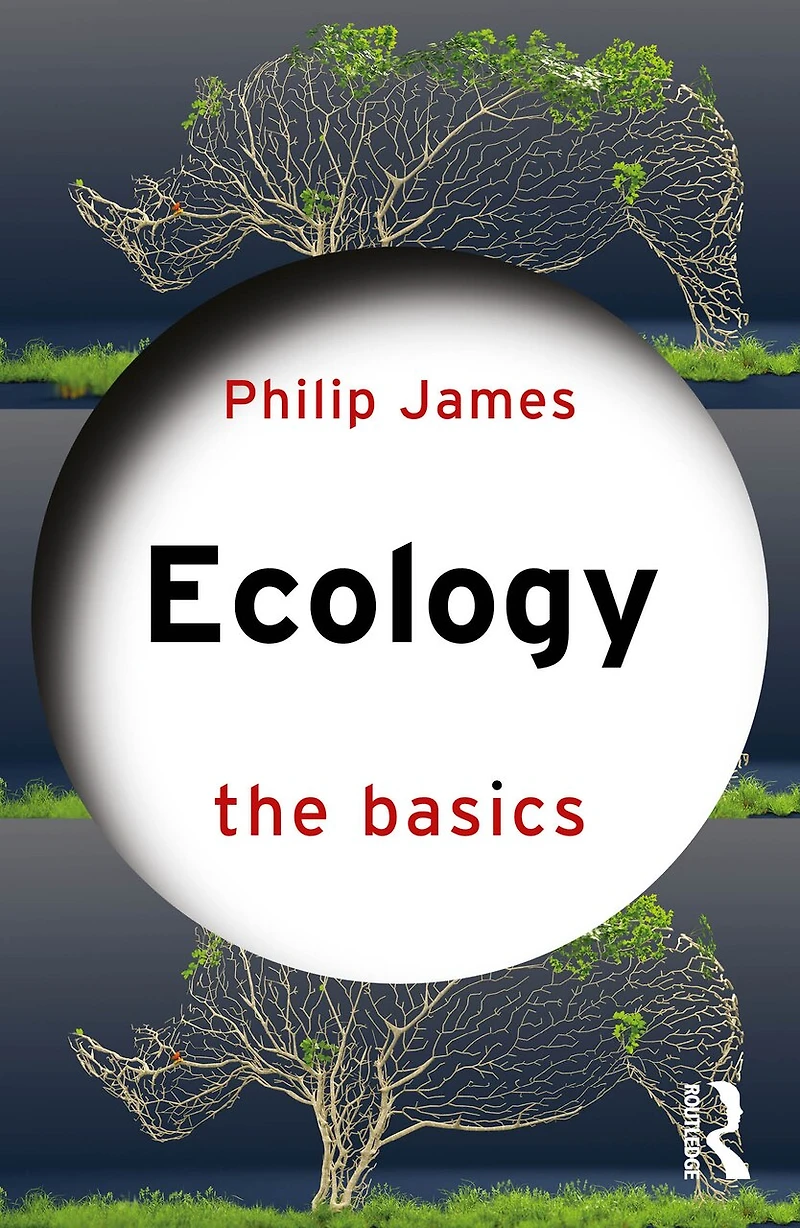
Ecology the basics
Current price: $38.50

Ecology the basics
Current price: $38.50
Loading Inventory...
Size: Paperback
*Product information may vary - to confirm product availability, pricing, shipping and return information please contact Indigo
The text sets out the fundamentals that underpin ecology - the study of the relations between organisms of the same of different species and between organisms and the abiotic (non-living) environment. In other words, it is the study of where we live.
The structure of the book follows the classical style followed by most educators teaching this subject. It is divided into seven chapters which could be the basis of a semester's learning. Non-specialist, jargon-free language is used throughout with technical words and phrases explained in the text and in a glossary. Each chapter begins with an overview of the key themes covered and ends with suggestions for further, self-directed study. Chapter 1 is an introduction to the subject and contains outlines of how the subject has developed, its relevance today, and the skills required by an ecologist. Chapters 2 - 7 address, in turn, the abiotic (non-living) environment, adaptations of organisms to their abiotic environment, population ecology, community ecology, ecosystem ecology, and landscape ecology. Cross-cutting themes such as behavioural ecology, aquatic ecology, and terrestrial ecology are woven throughout these chapters. Relevant case studies, based on twenty-first century global challenges (changing climate, urbanisation, the biodiversity crisis, and the spread of invasive non-native species) and ecological ways of tackling these issues (nature-based solutions and species and habitat conservation (including rewilding)), are presented in relevant chapters. In Ecology: The Basics the author synthesises ecological understanding to provide a foundation for first- and second-year undergraduates who are approaching ecology for the first time or are looking to refresh their knowledge. Ecology: The Basics also serves as a foundation for those coming to ecology as part of their higher-level studies, or who wish to be more informed about ecology as part of their life-long learning journey.The text sets out the fundamentals that underpin ecology - the study of the relations between organisms of the same of different species and between organisms and the abiotic (non-living) environment. In other words, it is the study of where we live.
The text sets out the fundamentals that underpin ecology - the study of the relations between organisms of the same of different species and between organisms and the abiotic (non-living) environment. In other words, it is the study of where we live.
The structure of the book follows the classical style followed by most educators teaching this subject. It is divided into seven chapters which could be the basis of a semester's learning. Non-specialist, jargon-free language is used throughout with technical words and phrases explained in the text and in a glossary. Each chapter begins with an overview of the key themes covered and ends with suggestions for further, self-directed study. Chapter 1 is an introduction to the subject and contains outlines of how the subject has developed, its relevance today, and the skills required by an ecologist. Chapters 2 - 7 address, in turn, the abiotic (non-living) environment, adaptations of organisms to their abiotic environment, population ecology, community ecology, ecosystem ecology, and landscape ecology. Cross-cutting themes such as behavioural ecology, aquatic ecology, and terrestrial ecology are woven throughout these chapters. Relevant case studies, based on twenty-first century global challenges (changing climate, urbanisation, the biodiversity crisis, and the spread of invasive non-native species) and ecological ways of tackling these issues (nature-based solutions and species and habitat conservation (including rewilding)), are presented in relevant chapters. In Ecology: The Basics the author synthesises ecological understanding to provide a foundation for first- and second-year undergraduates who are approaching ecology for the first time or are looking to refresh their knowledge. Ecology: The Basics also serves as a foundation for those coming to ecology as part of their higher-level studies, or who wish to be more informed about ecology as part of their life-long learning journey.The text sets out the fundamentals that underpin ecology - the study of the relations between organisms of the same of different species and between organisms and the abiotic (non-living) environment. In other words, it is the study of where we live.
You May Also Like








More About Indigo at Erin Mills Town Centre
The largest book retailer in Canada also offers toys, music, home décor, gifts and lifestyle products. What's Inside...Books, Magazines, CD’s and DVD’s, Toys and Gifts, Home Accents, Electronics, Baby’s and Children’s Section, Bath and Body, Kitchen and Bedroom, Stationary Located outside in the exterior plaza.
5015 Glen Erin Dr, Mississauga, ON L5M 0R7, Canada
Find Indigo at Erin Mills Town Centre in Mississauga ON
Visit Indigo at Erin Mills Town Centre in Mississauga ON