

GIVE THE PERFECT GIFT
Erin Mills Town Centre Gift Cards are the perfect choice for your gift giving needs.Purchase gift cards at kiosks near the food court or centre court, at Guest Services, or click below to purchase online.PURCHASE HEREHome
Economic Integration Africa: The East African Community Comparative Perspective
Indigo
Loading Inventory...
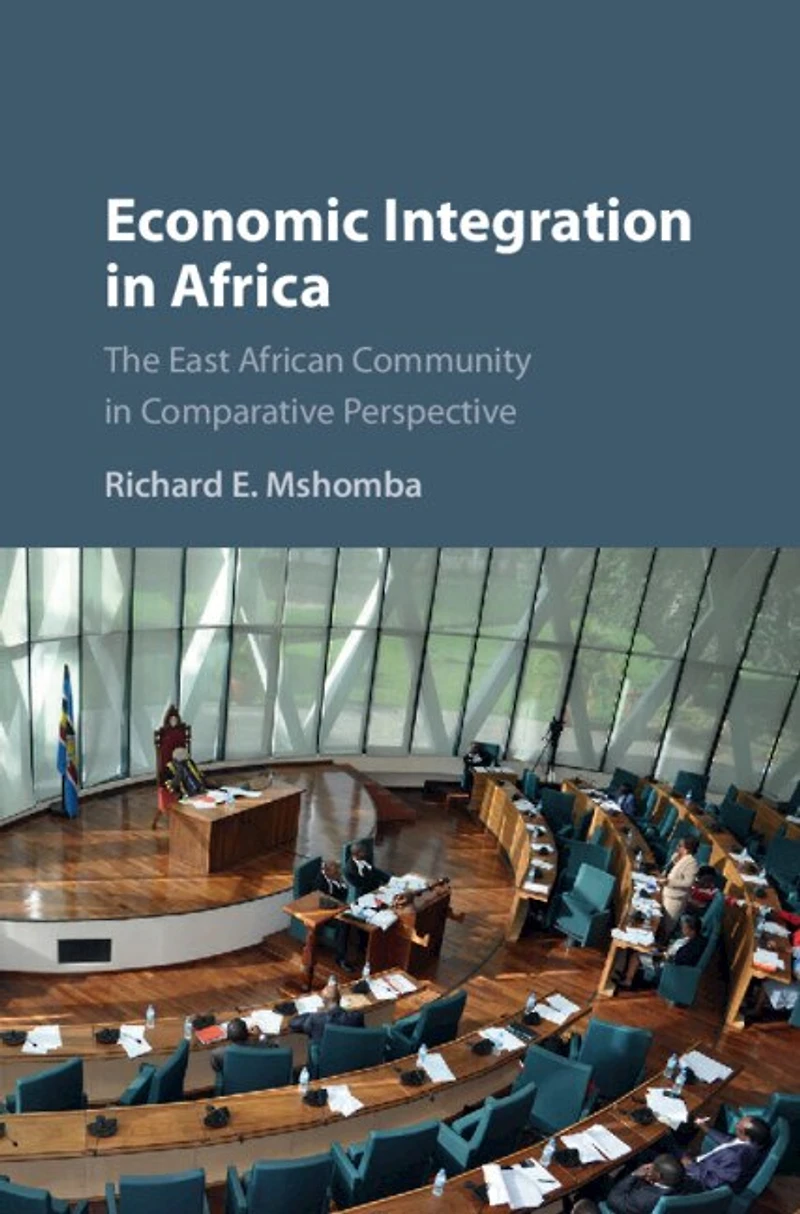
Economic Integration Africa: The East African Community Comparative Perspective
Current price: $151.95

Economic Integration Africa: The East African Community Comparative Perspective
Current price: $151.95
Loading Inventory...
Size: Hardcover
*Product information may vary - to confirm product availability, pricing, shipping and return information please contact Indigo
In this work, Richard E. Mshomba offers an in-depth analysis of economic integration in Africa with a focus on the East African Community (EAC), arguably the most ambitious of all the regional economic blocs currently in existence in Africa. Economic Integration in Africa provides more than just an overview of regional economic blocs in Africa; it also offers a rich historical discussion on the birth and death of the first EAC starting with the onset of colonialism in the 1890s, and a systematic analysis of the birth, growth, and aspirations of the current EAC. Those objectives include forming a monetary union and eventually an East African political federation. This book also examines the African Union's aspirations for continent-wide integration as envisioned by the Abuja Treaty. Mshomba carefully argues that maturity of democracy and good governance in each country are prerequisites for the formation of a viable and sustainable East African federation and genuine continent-wide integration.
In this work, Richard E. Mshomba offers an in-depth analysis of economic integration in Africa with a focus on the East African Community (EAC), arguably the most ambitious of all the regional economic blocs currently in existence in Africa. Economic Integration in Africa provides more than just an overview of regional economic blocs in Africa; it also offers a rich historical discussion on the birth and death of the first EAC starting with the onset of colonialism in the 1890s, and a systematic analysis of the birth, growth, and aspirations of the current EAC. Those objectives include forming a monetary union and eventually an East African political federation. This book also examines the African Union's aspirations for continent-wide integration as envisioned by the Abuja Treaty. Mshomba carefully argues that maturity of democracy and good governance in each country are prerequisites for the formation of a viable and sustainable East African federation and genuine continent-wide integration.
You May Also Like










More About Indigo at Erin Mills Town Centre
The largest book retailer in Canada also offers toys, music, home décor, gifts and lifestyle products. What's Inside...Books, Magazines, CD’s and DVD’s, Toys and Gifts, Home Accents, Electronics, Baby’s and Children’s Section, Bath and Body, Kitchen and Bedroom, Stationary Located outside in the exterior plaza.
5015 Glen Erin Dr, Mississauga, ON L5M 0R7, Canada
Find Indigo at Erin Mills Town Centre in Mississauga ON
Visit Indigo at Erin Mills Town Centre in Mississauga ON