

GIVE THE PERFECT GIFT
Erin Mills Town Centre Gift Cards are the perfect choice for your gift giving needs.Purchase gift cards at kiosks near the food court or centre court, at Guest Services, or click below to purchase online.PURCHASE HEREHome
Economics for a Sustainable World: An Introduction to Natural Resource and Environmental Economics
Indigo
Loading Inventory...
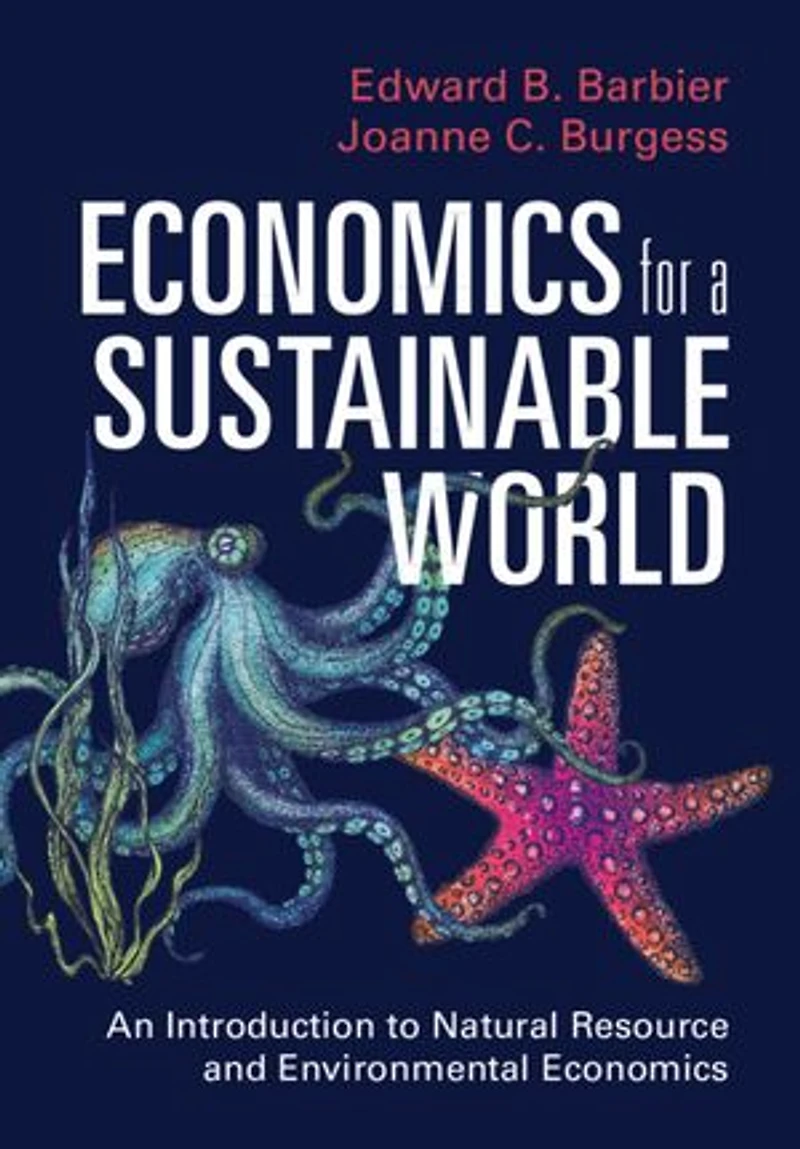
Economics for a Sustainable World: An Introduction to Natural Resource and Environmental Economics
Current price: $59.99
Original price: $74.95

Economics for a Sustainable World: An Introduction to Natural Resource and Environmental Economics
Current price: $59.99
Original price: $74.95
Loading Inventory...
Size: Kobo eBook
*Product information may vary - to confirm product availability, pricing, shipping and return information please contact Indigo
Written for undergraduate students with little or no exposure to economics, this introductory textbook offers a new perspective on environmental economics for the 21st century. It explains how economics for a sustainable world requires a new approach: accepting that the economy is intrinsically dependent on nature. Drawing on up-to-date case studies from around the globe, the book examines how economic concepts and techniques can apply to a wide range of environmental challenges while ensuring that poor and vulnerable members of society are included in progress toward sustainable development. The book also addresses current environmental policy options and innovations at the local, regional, and international levels. Chapters cover key topics such as climate change, pollution, energy, minerals, forests, land use, oceans, biodiversity, and water scarcity. Included in the book are the following pedagogical features: learning objectives, boxed examples, discussion questions, lists of further resources, and a glossary.
Written for undergraduate students with little or no exposure to economics, this introductory textbook offers a new perspective on environmental economics for the 21st century. It explains how economics for a sustainable world requires a new approach: accepting that the economy is intrinsically dependent on nature. Drawing on up-to-date case studies from around the globe, the book examines how economic concepts and techniques can apply to a wide range of environmental challenges while ensuring that poor and vulnerable members of society are included in progress toward sustainable development. The book also addresses current environmental policy options and innovations at the local, regional, and international levels. Chapters cover key topics such as climate change, pollution, energy, minerals, forests, land use, oceans, biodiversity, and water scarcity. Included in the book are the following pedagogical features: learning objectives, boxed examples, discussion questions, lists of further resources, and a glossary.
You May Also Like









More About Indigo at Erin Mills Town Centre
The largest book retailer in Canada also offers toys, music, home décor, gifts and lifestyle products. What's Inside...Books, Magazines, CD’s and DVD’s, Toys and Gifts, Home Accents, Electronics, Baby’s and Children’s Section, Bath and Body, Kitchen and Bedroom, Stationary Located outside in the exterior plaza.
5015 Glen Erin Dr, Mississauga, ON L5M 0R7, Canada
Find Indigo at Erin Mills Town Centre in Mississauga ON
Visit Indigo at Erin Mills Town Centre in Mississauga ON