

GIVE THE PERFECT GIFT
Erin Mills Town Centre Gift Cards are the perfect choice for your gift giving needs.Purchase gift cards at kiosks near the food court or centre court, at Guest Services, or click below to purchase online.PURCHASE HEREHome
Economies of Life: Patterns Of Health And Wealth
Indigo
Loading Inventory...
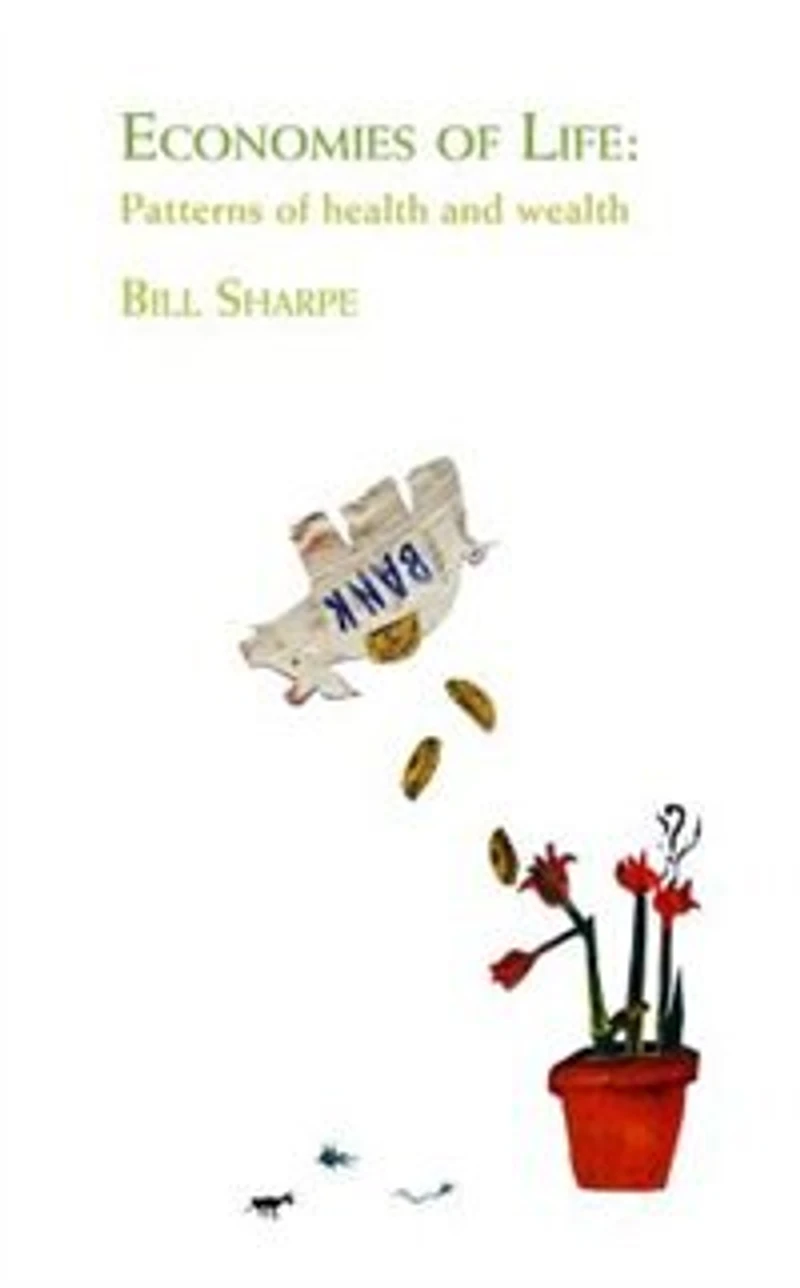
Economies of Life: Patterns Of Health And Wealth
Current price: $20.95

Economies of Life: Patterns Of Health And Wealth
Current price: $20.95
Loading Inventory...
Size: Paperback
*Product information may vary - to confirm product availability, pricing, shipping and return information please contact Indigo
Economies of Life argues cogently that there is a ''default assumption that there is only one economy in our lives - the economy which is the one based on money. Our position is that there are many economies, of which the one based on money is just one, and that they all contribute to the health and sustainability of our shared lives''. To extend this thinking, money is the currency of trade, and art is the currency of experience.
In his collection of five essays, Bill Sharpe uses the principles of ecological thinking to redefine our hitherto narrow understanding of terms like economy and value. The essays consider - with poetic sensitivity and intellectual clarity - what keeps each economy healthy, what sort of wealth each one accumulates and what sort of policies are most supportive of innovation and sustainability in a changing world.
Bill Sharpe and a small group of other IFF members, working with the Watershed Media Centre in Bristol, took as the starting point for their inquiry the question ''Can we help people who fund the arts develop better policies if we use ecological thinking to understand how the arts work in society and in the economy?''
The insights resulting from Economies of Life offer an ecologically informed and dynamic framework for understanding creativity, the arts and how the arts should be funded into the future.
Economies of Life argues cogently that there is a ''default assumption that there is only one economy in our lives - the economy which is the one based on money. Our position is that there are many economies, of which the one based on money is just one, and that they all contribute to the health and sustainability of our shared lives''. To extend this thinking, money is the currency of trade, and art is the currency of experience.
In his collection of five essays, Bill Sharpe uses the principles of ecological thinking to redefine our hitherto narrow understanding of terms like economy and value. The essays consider - with poetic sensitivity and intellectual clarity - what keeps each economy healthy, what sort of wealth each one accumulates and what sort of policies are most supportive of innovation and sustainability in a changing world.
Bill Sharpe and a small group of other IFF members, working with the Watershed Media Centre in Bristol, took as the starting point for their inquiry the question ''Can we help people who fund the arts develop better policies if we use ecological thinking to understand how the arts work in society and in the economy?''
The insights resulting from Economies of Life offer an ecologically informed and dynamic framework for understanding creativity, the arts and how the arts should be funded into the future.
You May Also Like










More About Indigo at Erin Mills Town Centre
The largest book retailer in Canada also offers toys, music, home décor, gifts and lifestyle products. What's Inside...Books, Magazines, CD’s and DVD’s, Toys and Gifts, Home Accents, Electronics, Baby’s and Children’s Section, Bath and Body, Kitchen and Bedroom, Stationary Located outside in the exterior plaza.
5015 Glen Erin Dr, Mississauga, ON L5M 0R7, Canada
Find Indigo at Erin Mills Town Centre in Mississauga ON
Visit Indigo at Erin Mills Town Centre in Mississauga ON