

GIVE THE PERFECT GIFT
Erin Mills Town Centre Gift Cards are the perfect choice for your gift giving needs.Purchase gift cards at kiosks near the food court or centre court, at Guest Services, or click below to purchase online.PURCHASE HEREHome
Economies of the Inca World
Indigo
Loading Inventory...
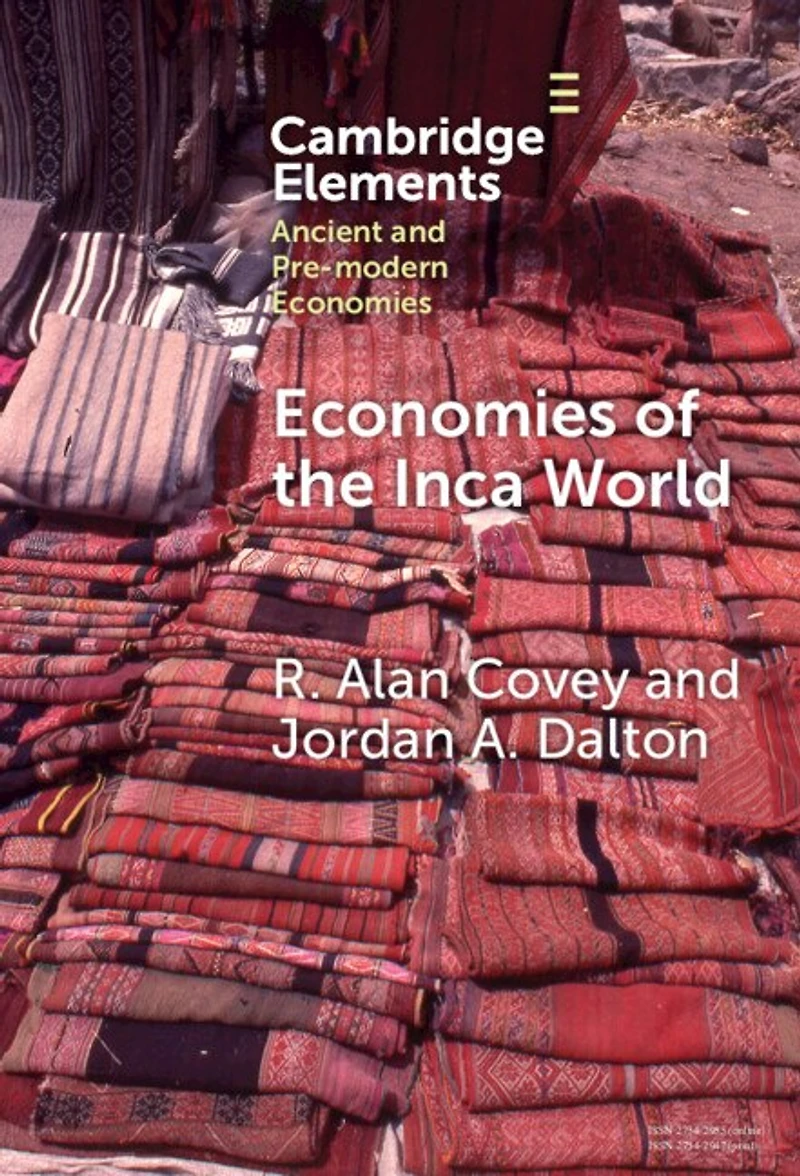
Economies of the Inca World
Current price: $94.73

Economies of the Inca World
Current price: $94.73
Loading Inventory...
Size: Hardcover
*Product information may vary - to confirm product availability, pricing, shipping and return information please contact Indigo
The Inca Empire (c. 1400–1532) was the largest Indigenous state to develop in the Americas, spanning the extraordinarily rich landscapes of the central Andes. Scholarly approaches to Inca-era economies initially drew on Spanish colonial documents that emphasized royal resource monopolies, labor tribute, and kin-based land tenure. Anthropologists in recent decades have emphasized local economic self-sufficiency and the role of reciprocity in Inca economics. This Element adds to the existing literature by reviewing recent archaeological research in the Inca capital region and different provinces. The material evidence and documents indicate considerable variation in the development and implementation of Inca political economy, reflecting an array of local economic practices that were tailored to different Andean environments. Although Inca economic development downplayed interregional trade, emerging evidence indicates the existence of more specialized trading practices in Inca peripheral regions, some of which persisted under imperial rule.
The Inca Empire (c. 1400–1532) was the largest Indigenous state to develop in the Americas, spanning the extraordinarily rich landscapes of the central Andes. Scholarly approaches to Inca-era economies initially drew on Spanish colonial documents that emphasized royal resource monopolies, labor tribute, and kin-based land tenure. Anthropologists in recent decades have emphasized local economic self-sufficiency and the role of reciprocity in Inca economics. This Element adds to the existing literature by reviewing recent archaeological research in the Inca capital region and different provinces. The material evidence and documents indicate considerable variation in the development and implementation of Inca political economy, reflecting an array of local economic practices that were tailored to different Andean environments. Although Inca economic development downplayed interregional trade, emerging evidence indicates the existence of more specialized trading practices in Inca peripheral regions, some of which persisted under imperial rule.
You May Also Like







More About Indigo at Erin Mills Town Centre
The largest book retailer in Canada also offers toys, music, home décor, gifts and lifestyle products. What's Inside...Books, Magazines, CD’s and DVD’s, Toys and Gifts, Home Accents, Electronics, Baby’s and Children’s Section, Bath and Body, Kitchen and Bedroom, Stationary Located outside in the exterior plaza.
5015 Glen Erin Dr, Mississauga, ON L5M 0R7, Canada
Find Indigo at Erin Mills Town Centre in Mississauga ON
Visit Indigo at Erin Mills Town Centre in Mississauga ON