

GIVE THE PERFECT GIFT
Erin Mills Town Centre Gift Cards are the perfect choice for your gift giving needs.Purchase gift cards at kiosks near the food court or centre court, at Guest Services, or click below to purchase online.PURCHASE HEREHome
Ecuador’s “Good Living”: Crises, Discourse and Law
Indigo
Loading Inventory...
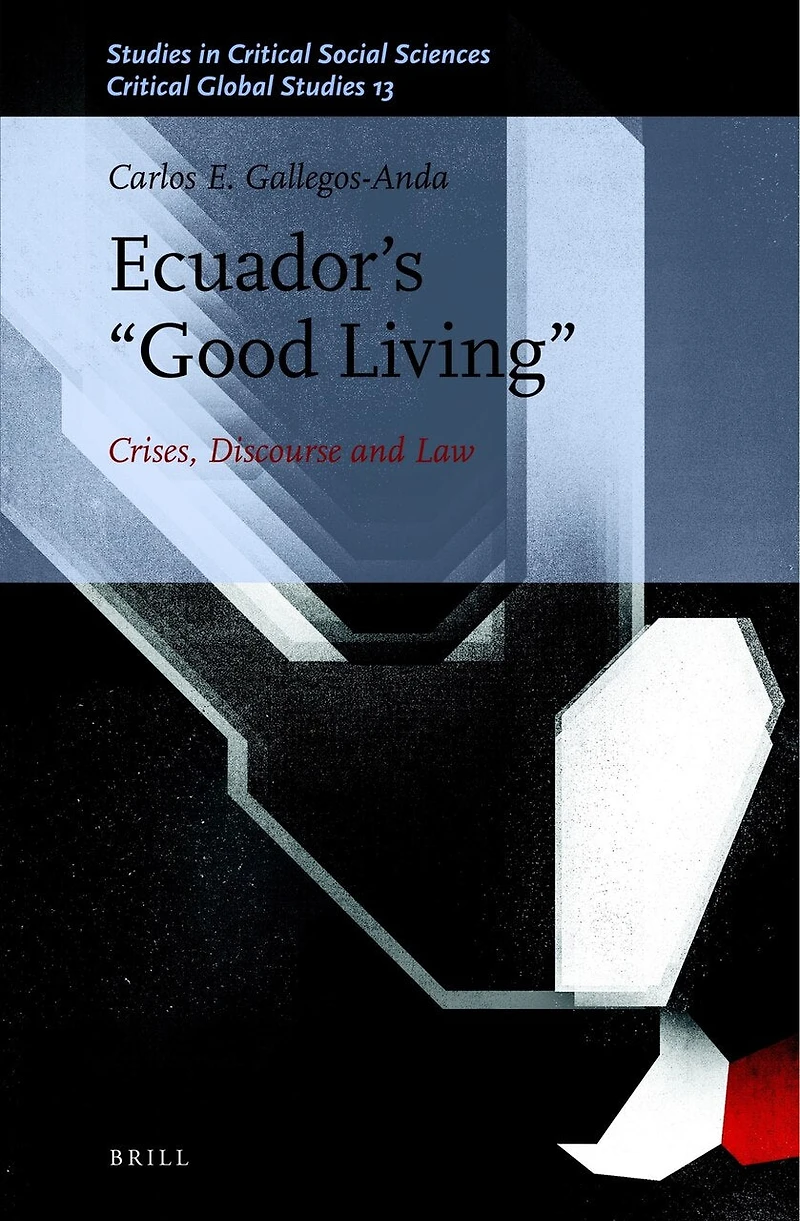
Ecuador’s “Good Living”: Crises, Discourse and Law
Current price: $303.99

Ecuador’s “Good Living”: Crises, Discourse and Law
Current price: $303.99
Loading Inventory...
Size: Hardcover
*Product information may vary - to confirm product availability, pricing, shipping and return information please contact Indigo
Ecuador’s “Good Living”: Crises, Discourse, and Law by Gallegos Anda, presents a critical approach towards the concept of Buen Vivir that was included in Ecuador’s 2008 Constitution. Due to its apparent legal novelty, this normative formula received much praise from multiple civil society and academic circles by forging what some argued to be a new development paradigm based on Andean epistemologies. Gallegos Anda theorizes this important phenomenon through an inductive analysis of context and power relations. Through a masterful navigation through epistemological fields, the author offers a critical theory of Buen Vivir that focuses on changing citizenship regimes, a retreating state, politicised ethnic cleavages, discursive democracy and the emergence of an empty signifier. Gallegos-Anda is the first to situate Buen Vivir in a theoretical context grounded in international human rights law.
Ecuador’s “Good Living”: Crises, Discourse, and Law by Gallegos Anda, presents a critical approach towards the concept of Buen Vivir that was included in Ecuador’s 2008 Constitution. Due to its apparent legal novelty, this normative formula received much praise from multiple civil society and academic circles by forging what some argued to be a new development paradigm based on Andean epistemologies. Gallegos Anda theorizes this important phenomenon through an inductive analysis of context and power relations. Through a masterful navigation through epistemological fields, the author offers a critical theory of Buen Vivir that focuses on changing citizenship regimes, a retreating state, politicised ethnic cleavages, discursive democracy and the emergence of an empty signifier. Gallegos-Anda is the first to situate Buen Vivir in a theoretical context grounded in international human rights law.
You May Also Like








More About Indigo at Erin Mills Town Centre
The largest book retailer in Canada also offers toys, music, home décor, gifts and lifestyle products. What's Inside...Books, Magazines, CD’s and DVD’s, Toys and Gifts, Home Accents, Electronics, Baby’s and Children’s Section, Bath and Body, Kitchen and Bedroom, Stationary Located outside in the exterior plaza.
5015 Glen Erin Dr, Mississauga, ON L5M 0R7, Canada
Find Indigo at Erin Mills Town Centre in Mississauga ON
Visit Indigo at Erin Mills Town Centre in Mississauga ON