

GIVE THE PERFECT GIFT
Erin Mills Town Centre Gift Cards are the perfect choice for your gift giving needs.Purchase gift cards at kiosks near the food court or centre court, at Guest Services, or click below to purchase online.PURCHASE HEREHome
Ecumenical Perspectives Five Hundred Years After Luther's Reformation
Indigo
Loading Inventory...
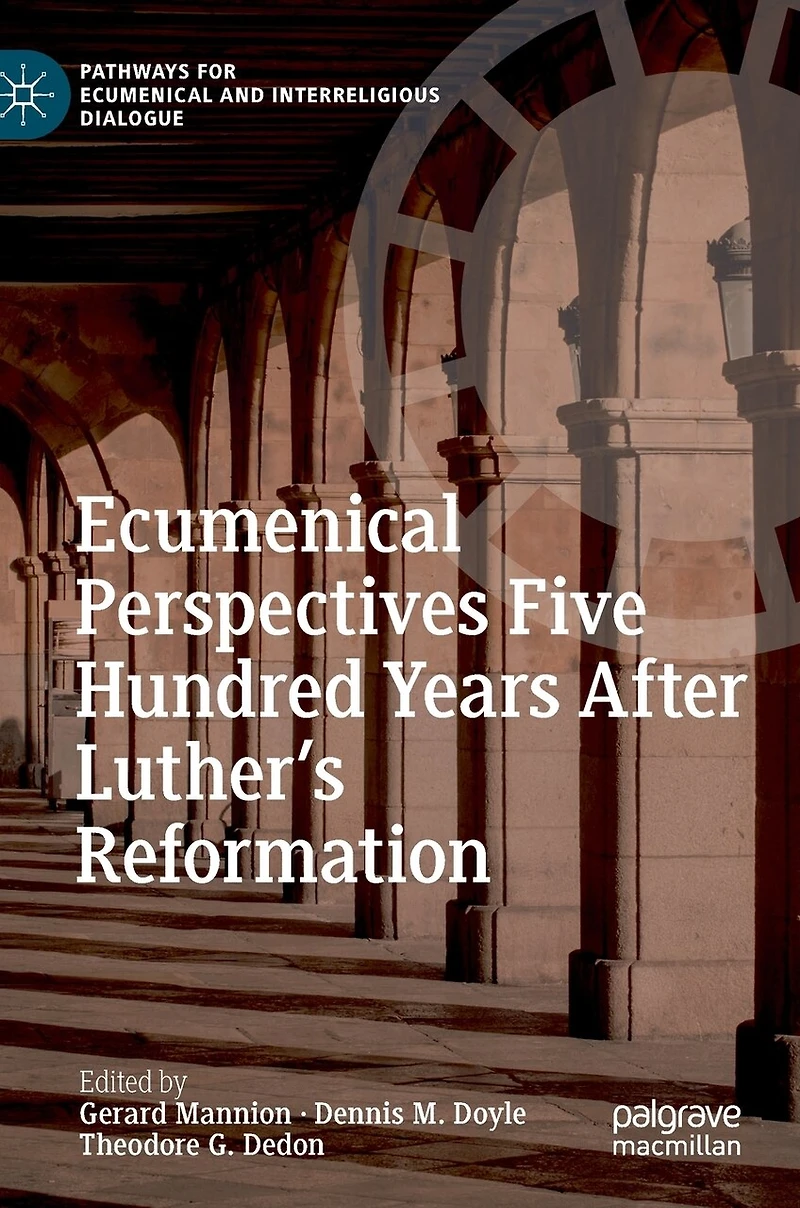
Ecumenical Perspectives Five Hundred Years After Luther's Reformation
Current price: $262.95

Ecumenical Perspectives Five Hundred Years After Luther's Reformation
Current price: $262.95
Loading Inventory...
Size: Hardcover
*Product information may vary - to confirm product availability, pricing, shipping and return information please contact Indigo
This book offers ecumenical essays that focus on Reformation Christianity and on current Lutheran-Catholic understandings and relationships. It addresses important issues, including the meaning of the Reformation, the reception of Luther in Germany and beyond, contemporary ecumenical dialogues, and pathways to the future. There is also some inclusion of Jewish and Orthodox traditions as well as attention to global issues. Taken as a whole, the primary method of this book is theology informed by history, hermeneutics, ethics, and social theory. Within the structure of the book can be found the classic hermeneutical circle: What was the meaning of the Reformation for Luther in his own time? What are various ways in which Luther and the Reformation have been interpreted in history? How does knowledge of these things help us today to understand the Reformation and to move forward?
This book offers ecumenical essays that focus on Reformation Christianity and on current Lutheran-Catholic understandings and relationships. It addresses important issues, including the meaning of the Reformation, the reception of Luther in Germany and beyond, contemporary ecumenical dialogues, and pathways to the future. There is also some inclusion of Jewish and Orthodox traditions as well as attention to global issues. Taken as a whole, the primary method of this book is theology informed by history, hermeneutics, ethics, and social theory. Within the structure of the book can be found the classic hermeneutical circle: What was the meaning of the Reformation for Luther in his own time? What are various ways in which Luther and the Reformation have been interpreted in history? How does knowledge of these things help us today to understand the Reformation and to move forward?
You May Also Like














More About Indigo at Erin Mills Town Centre
The largest book retailer in Canada also offers toys, music, home décor, gifts and lifestyle products. What's Inside...Books, Magazines, CD’s and DVD’s, Toys and Gifts, Home Accents, Electronics, Baby’s and Children’s Section, Bath and Body, Kitchen and Bedroom, Stationary Located outside in the exterior plaza.
5015 Glen Erin Dr, Mississauga, ON L5M 0R7, Canada
Find Indigo at Erin Mills Town Centre in Mississauga ON
Visit Indigo at Erin Mills Town Centre in Mississauga ON