

GIVE THE PERFECT GIFT
Erin Mills Town Centre Gift Cards are the perfect choice for your gift giving needs.Purchase gift cards at kiosks near the food court or centre court, at Guest Services, or click below to purchase online.PURCHASE HEREHome
ED465 806 - Looking into Students' Science Notebooks: What Do Teachers Do with Them? CSE Technical Report
Indigo
Loading Inventory...
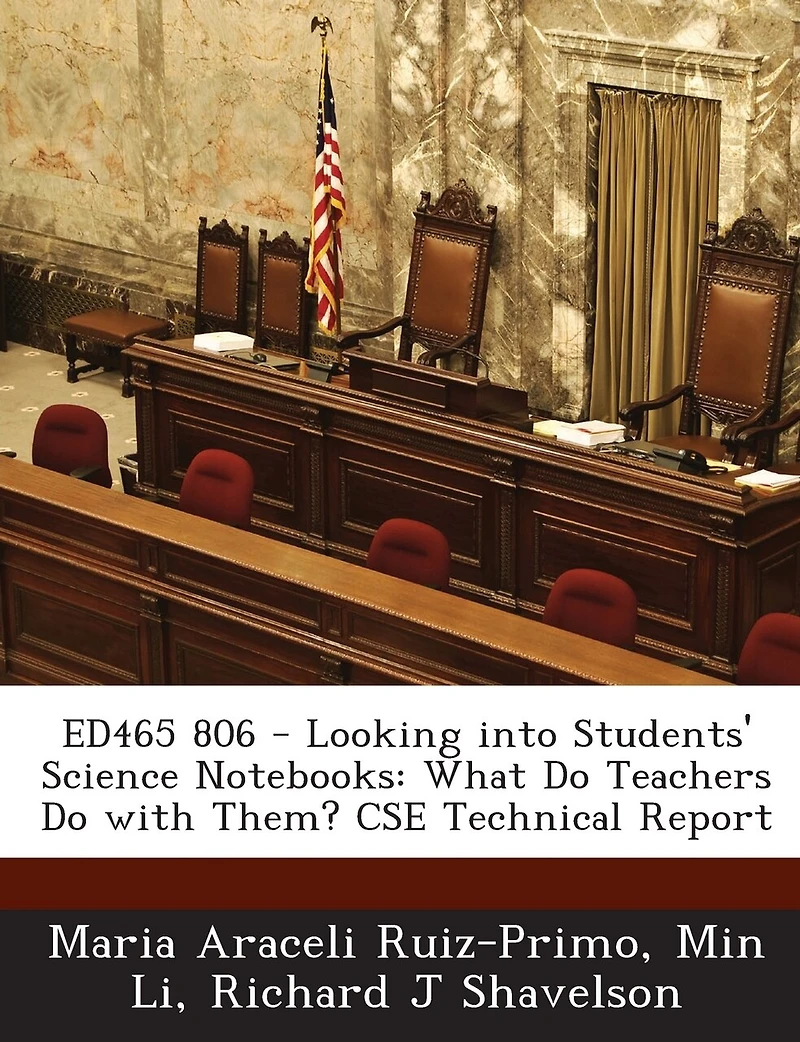
ED465 806 - Looking into Students' Science Notebooks: What Do Teachers Do with Them? CSE Technical Report
Current price: $18.99

ED465 806 - Looking into Students' Science Notebooks: What Do Teachers Do with Them? CSE Technical Report
Current price: $18.99
Loading Inventory...
Size: Paperback
*Product information may vary - to confirm product availability, pricing, shipping and return information please contact Indigo
This paper proposes the use of students science notebooks as one possible unobtrusive method for examining some aspects of teaching quality. Students science notebooks were used to examine the nature of instructional activities in their science classrooms, the nature of teachers' feedback, and how these two aspects of teaching were correlated with student achievement. Researchers examined the characteristics of science notebooks for 6 students from each of 10 fifth-grade classrooms. Each entry was analyzed. Results indicate that raters can consistently classify students notebooks in spite of the diversity of the forms of communication (written, schematic, or pictorial). They can also consistently score the quality of a students communication, conceptual, and procedural understanding and the quality of a teachers' feedback to the student. The intellectual demands of the tasks required by the teachers were, in general, low. Teachers tended to ask students to record the results of an experiment or to copy definitions. Low student performance scores across two curriculum units revealed that students communication skills and understanding were far from the maximum score and did not improve over the course of instruction during the school year. Teacher provided little, if any, feedback. Only 4 of the 10 teachers provided any feedback to students notebook entries, and when feedback was provide, comments took the form of a grade, checkmark, or a code phrase. It is concluded that the benefits of science notebooks as a learning tool for students and a source of information for teachers were not exploited in the science classrooms studied. An appendix describes the performance assessments these students used. (Contains 4 figures, 7 tables, and 25 references.) (Author/SLD).
This paper proposes the use of students science notebooks as one possible unobtrusive method for examining some aspects of teaching quality. Students science notebooks were used to examine the nature of instructional activities in their science classrooms, the nature of teachers' feedback, and how these two aspects of teaching were correlated with student achievement. Researchers examined the characteristics of science notebooks for 6 students from each of 10 fifth-grade classrooms. Each entry was analyzed. Results indicate that raters can consistently classify students notebooks in spite of the diversity of the forms of communication (written, schematic, or pictorial). They can also consistently score the quality of a students communication, conceptual, and procedural understanding and the quality of a teachers' feedback to the student. The intellectual demands of the tasks required by the teachers were, in general, low. Teachers tended to ask students to record the results of an experiment or to copy definitions. Low student performance scores across two curriculum units revealed that students communication skills and understanding were far from the maximum score and did not improve over the course of instruction during the school year. Teacher provided little, if any, feedback. Only 4 of the 10 teachers provided any feedback to students notebook entries, and when feedback was provide, comments took the form of a grade, checkmark, or a code phrase. It is concluded that the benefits of science notebooks as a learning tool for students and a source of information for teachers were not exploited in the science classrooms studied. An appendix describes the performance assessments these students used. (Contains 4 figures, 7 tables, and 25 references.) (Author/SLD).
You May Also Like
















More About Indigo at Erin Mills Town Centre
The largest book retailer in Canada also offers toys, music, home décor, gifts and lifestyle products. What's Inside...Books, Magazines, CD’s and DVD’s, Toys and Gifts, Home Accents, Electronics, Baby’s and Children’s Section, Bath and Body, Kitchen and Bedroom, Stationary Located outside in the exterior plaza.
5015 Glen Erin Dr, Mississauga, ON L5M 0R7, Canada
Find Indigo at Erin Mills Town Centre in Mississauga ON
Visit Indigo at Erin Mills Town Centre in Mississauga ON