

GIVE THE PERFECT GIFT
Erin Mills Town Centre Gift Cards are the perfect choice for your gift giving needs.Purchase gift cards at kiosks near the food court or centre court, at Guest Services, or click below to purchase online.PURCHASE HEREHome
Editing Archipelagic Shakespeare
Indigo
Loading Inventory...
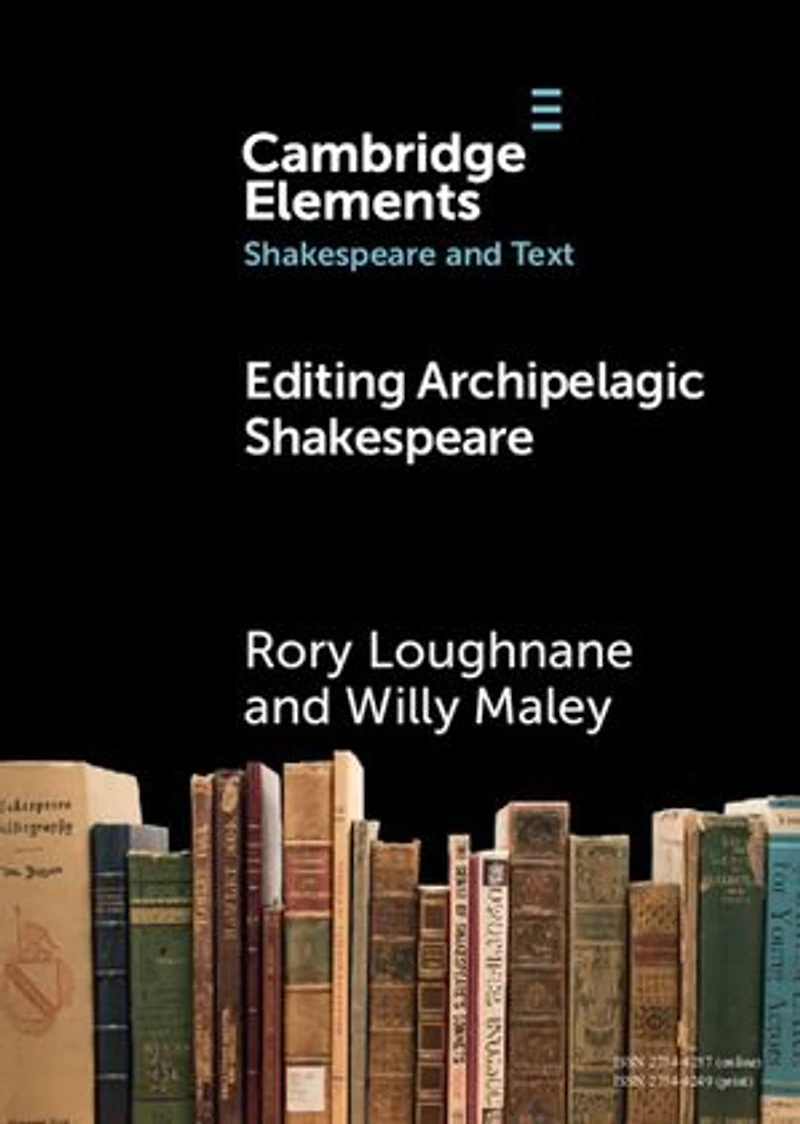
Editing Archipelagic Shakespeare
Current price: $23.19
Original price: $28.95

Editing Archipelagic Shakespeare
Current price: $23.19
Original price: $28.95
Loading Inventory...
Size: Kobo eBook
*Product information may vary - to confirm product availability, pricing, shipping and return information please contact Indigo
Editing Archipelagic Shakespeare is a study of the power of names; more specifically, it is about the power of naming, asking who gets to choose names, for what reason, and to what effect. Shakespeare assigns names to over 1,200 characters and countless more sites and places, and these names, or versions of these names, have become familiar to generations of playgoers and play-readers. And because of their familiarity, Shakespeare's names, most frequently anglicized versions of non-English names, have been accepted and repeated without further consideration. Approaching names from an archipelagic perspective, and focusing upon how Irish, Scottish, and Welsh characters and places are written by Shakespeare and treated by editors, this Element offers an expansive, and far-reaching, case study for non-anglophone and global studies of Shakespeare, textual scholarship, and early modern drama.
Editing Archipelagic Shakespeare is a study of the power of names; more specifically, it is about the power of naming, asking who gets to choose names, for what reason, and to what effect. Shakespeare assigns names to over 1,200 characters and countless more sites and places, and these names, or versions of these names, have become familiar to generations of playgoers and play-readers. And because of their familiarity, Shakespeare's names, most frequently anglicized versions of non-English names, have been accepted and repeated without further consideration. Approaching names from an archipelagic perspective, and focusing upon how Irish, Scottish, and Welsh characters and places are written by Shakespeare and treated by editors, this Element offers an expansive, and far-reaching, case study for non-anglophone and global studies of Shakespeare, textual scholarship, and early modern drama.
You May Also Like







More About Indigo at Erin Mills Town Centre
The largest book retailer in Canada also offers toys, music, home décor, gifts and lifestyle products. What's Inside...Books, Magazines, CD’s and DVD’s, Toys and Gifts, Home Accents, Electronics, Baby’s and Children’s Section, Bath and Body, Kitchen and Bedroom, Stationary Located outside in the exterior plaza.
5015 Glen Erin Dr, Mississauga, ON L5M 0R7, Canada
Find Indigo at Erin Mills Town Centre in Mississauga ON
Visit Indigo at Erin Mills Town Centre in Mississauga ON