

GIVE THE PERFECT GIFT
Erin Mills Town Centre Gift Cards are the perfect choice for your gift giving needs.Purchase gift cards at kiosks near the food court or centre court, at Guest Services, or click below to purchase online.PURCHASE HEREHome
Edmund Spenser: A Life
Indigo
Loading Inventory...
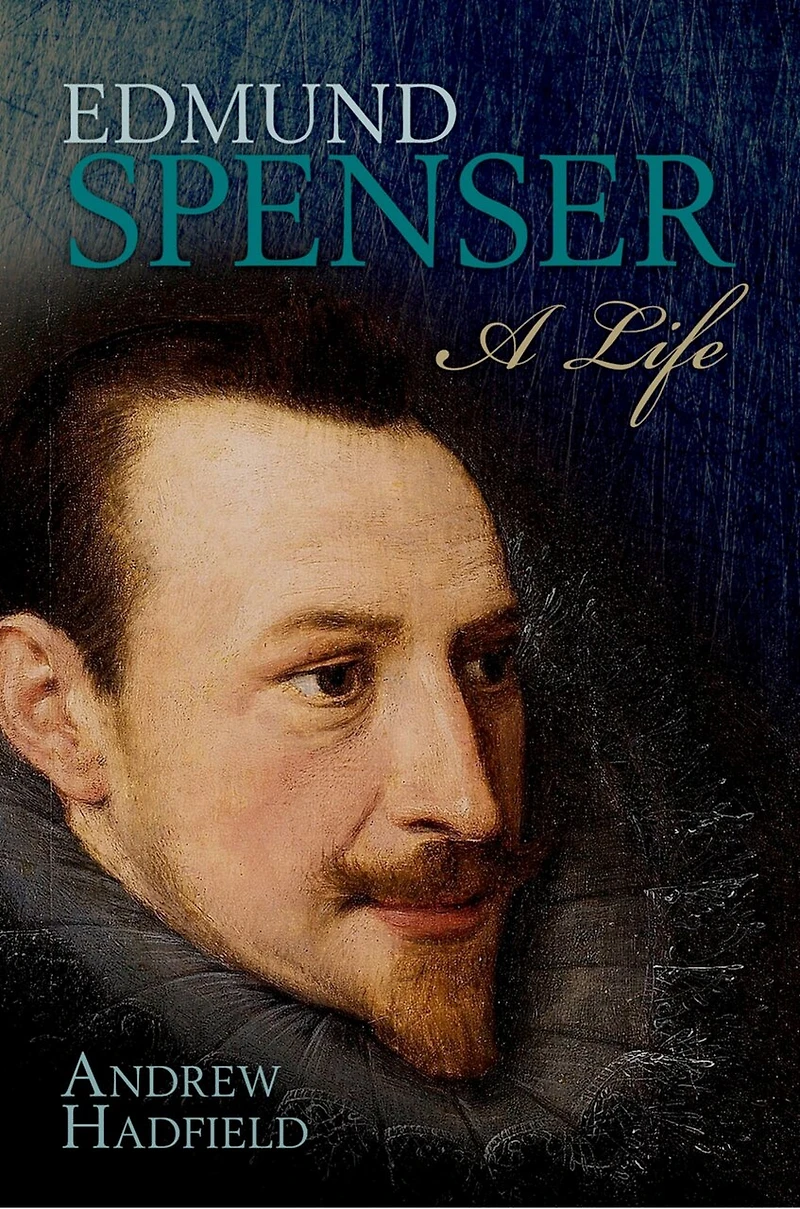

Edmund Spenser: A Life
Current price: $45.00

Edmund Spenser: A Life
Current price: $45.00
Loading Inventory...
Size: Hardcover
*Product information may vary - to confirm product availability, pricing, shipping and return information please contact Indigo
Edmund Spenser's innovative poetic works have a central place in the canon of English literature. Yet he is remembered as a morally flawed, self-interested sycophant; complicit in England's ruthless colonisation of Ireland; in Karl Marx's words, "Elizabeth's arse-kissing poet" - a man on the make who aspired to be at court and who was prepared to exploit the Irish to get what he wanted.
In his vibrant and vivid book, the first biography of the poet for 60 years, Andrew Hadfield finds a more complex and subtle Spenser. How did a man who seemed destined to become a priest or a don become embroiled in politics? If he was intent on social climbing, why was he so astonishingly rude to the good and the great - Lord Burghley, the earl of Leicester, Sir Walter Ralegh, Elizabeth I and James VI? Why was he more at home with "the middling sort" - writers, publishers and printers, bureaucrats, soldiers, academics, secretaries, and clergymen - than with the mighty and the powerful? How did the appalling slaughter he witnessed in Ireland impact on his imaginative powers? How did his marriage and family life shape his work?
Spenser's brilliant writing has always challenged our preconceptions. So too, Hadfield shows, does the contradictory relationship between his between life and his art.
Edmund Spenser's innovative poetic works have a central place in the canon of English literature. Yet he is remembered as a morally flawed, self-interested sycophant; complicit in England's ruthless colonisation of Ireland; in Karl Marx's words, "Elizabeth's arse-kissing poet" - a man on the make who aspired to be at court and who was prepared to exploit the Irish to get what he wanted.
In his vibrant and vivid book, the first biography of the poet for 60 years, Andrew Hadfield finds a more complex and subtle Spenser. How did a man who seemed destined to become a priest or a don become embroiled in politics? If he was intent on social climbing, why was he so astonishingly rude to the good and the great - Lord Burghley, the earl of Leicester, Sir Walter Ralegh, Elizabeth I and James VI? Why was he more at home with "the middling sort" - writers, publishers and printers, bureaucrats, soldiers, academics, secretaries, and clergymen - than with the mighty and the powerful? How did the appalling slaughter he witnessed in Ireland impact on his imaginative powers? How did his marriage and family life shape his work?
Spenser's brilliant writing has always challenged our preconceptions. So too, Hadfield shows, does the contradictory relationship between his between life and his art.
You May Also Like







More About Indigo at Erin Mills Town Centre
The largest book retailer in Canada also offers toys, music, home décor, gifts and lifestyle products. What's Inside...Books, Magazines, CD’s and DVD’s, Toys and Gifts, Home Accents, Electronics, Baby’s and Children’s Section, Bath and Body, Kitchen and Bedroom, Stationary Located outside in the exterior plaza.
5015 Glen Erin Dr, Mississauga, ON L5M 0R7, Canada
Find Indigo at Erin Mills Town Centre in Mississauga ON
Visit Indigo at Erin Mills Town Centre in Mississauga ON