

GIVE THE PERFECT GIFT
Erin Mills Town Centre Gift Cards are the perfect choice for your gift giving needs.Purchase gift cards at kiosks near the food court or centre court, at Guest Services, or click below to purchase online.PURCHASE HEREHome
Education for the Twenty-First Century
Indigo
Loading Inventory...
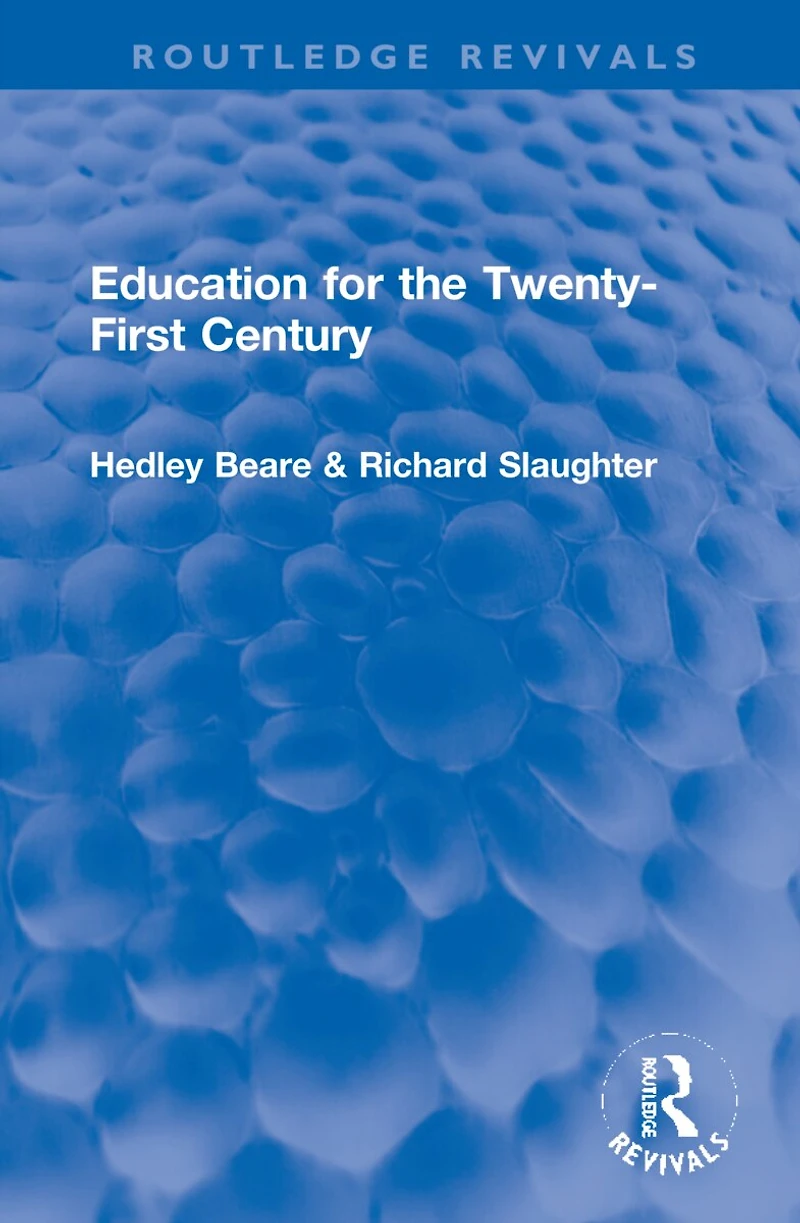
Education for the Twenty-First Century
Current price: $199.95

Education for the Twenty-First Century
Current price: $199.95
Loading Inventory...
Size: Hardcover
*Product information may vary - to confirm product availability, pricing, shipping and return information please contact Indigo
First published in 1993, Education for the Twenty-First Century grew out of a common and deep-seated concern about the way young people think of their own future, and about some of the relatively simplistic education reforms advocated, often by people with scant comprehension of modern educational practices. Schools as institutions, schooling patterns, the curriculum and teachers themselves have come under heavy criticism, but it has to be recognized that the problems in education have no lasting or satisfactory solutions while schools continue to operate out of the framework which has determined their raison d'être for the past two hundred years. The authors argue that schools do not need fine tuning, or more of the same; rather some of the fundamental assumptions about schooling have to be revised. They argue that learning about the future must become very much a part of the present, and they set out in the book some of the thinking and several techniques which permit us to confront the future and make it a more friendly place. The book will be of interest to students, teachers and policymakers.
First published in 1993, Education for the Twenty-First Century grew out of a common and deep-seated concern about the way young people think of their own future, and about some of the relatively simplistic education reforms advocated, often by people with scant comprehension of modern educational practices. Schools as institutions, schooling patterns, the curriculum and teachers themselves have come under heavy criticism, but it has to be recognized that the problems in education have no lasting or satisfactory solutions while schools continue to operate out of the framework which has determined their raison d'être for the past two hundred years. The authors argue that schools do not need fine tuning, or more of the same; rather some of the fundamental assumptions about schooling have to be revised. They argue that learning about the future must become very much a part of the present, and they set out in the book some of the thinking and several techniques which permit us to confront the future and make it a more friendly place. The book will be of interest to students, teachers and policymakers.
You May Also Like













More About Indigo at Erin Mills Town Centre
The largest book retailer in Canada also offers toys, music, home décor, gifts and lifestyle products. What's Inside...Books, Magazines, CD’s and DVD’s, Toys and Gifts, Home Accents, Electronics, Baby’s and Children’s Section, Bath and Body, Kitchen and Bedroom, Stationary Located outside in the exterior plaza.
5015 Glen Erin Dr, Mississauga, ON L5M 0R7, Canada
Find Indigo at Erin Mills Town Centre in Mississauga ON
Visit Indigo at Erin Mills Town Centre in Mississauga ON